Do You Check Transmission Fluid While Car is Running: Essential Tips
Are you wondering whether you should check your transmission fluid while your car’s engine is running? It’s a common question, and getting it right can save you from costly repairs down the road.
Transmission fluid plays a key role in keeping your car’s gears shifting smoothly, so knowing how and when to check it is essential. You’ll discover the simple steps to check your transmission fluid properly, why the engine needs to be running in most cases, and important exceptions you should never overlook.
Keep reading to make sure you’re taking the best care of your car’s transmission and avoiding avoidable damage.
Why Check Fluid With Engine Running
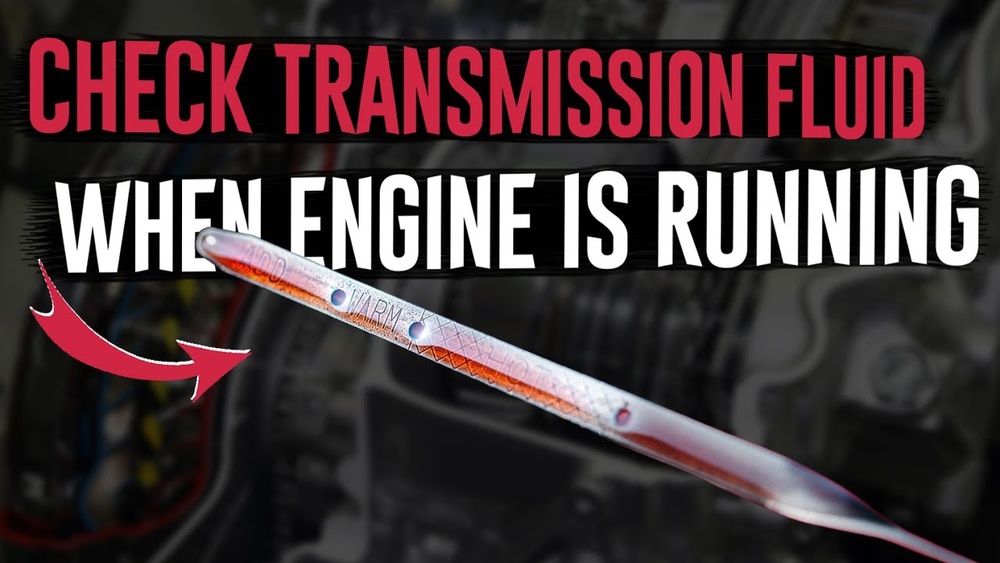
Checking your transmission fluid while the engine is running gives a true reading of the fluid level. The fluid expands and circulates when warm, showing an accurate measurement.
The engine running means the transmission is at normal operating temperature. Cold fluid shrinks and gives a false low reading. Warm fluid flows freely and reveals the actual level.
Also, with the engine on, the fluid moves through the transmission system. This movement ensures the fluid is where it should be for a proper check.
Accurate Fluid Level Measurement
Transmission fluid expands as it warms. Measuring with the engine running accounts for this change.
Cold fluid can appear lower than it really is. Warm fluid shows the true level.
This method prevents underfilling or overfilling, which can harm your transmission.
Fluid Circulation And Pressure
Running engine keeps the transmission fluid circulating. This circulation helps fluid reach all parts of the transmission.
Checking fluid with the engine off might miss problems in fluid flow or pressure.
Proper fluid pressure is vital for smooth gear shifts and transmission health.
Better Diagnostic Insight
With the engine running, you can detect fluid issues more easily.
Discolored or burnt-smelling fluid signals transmission problems. These signs appear clearly when fluid is warm.
Checking fluid in this state helps catch problems early, avoiding costly repairs.
Credit: www.circledtrans.com
Preparing Your Car For Fluid Check
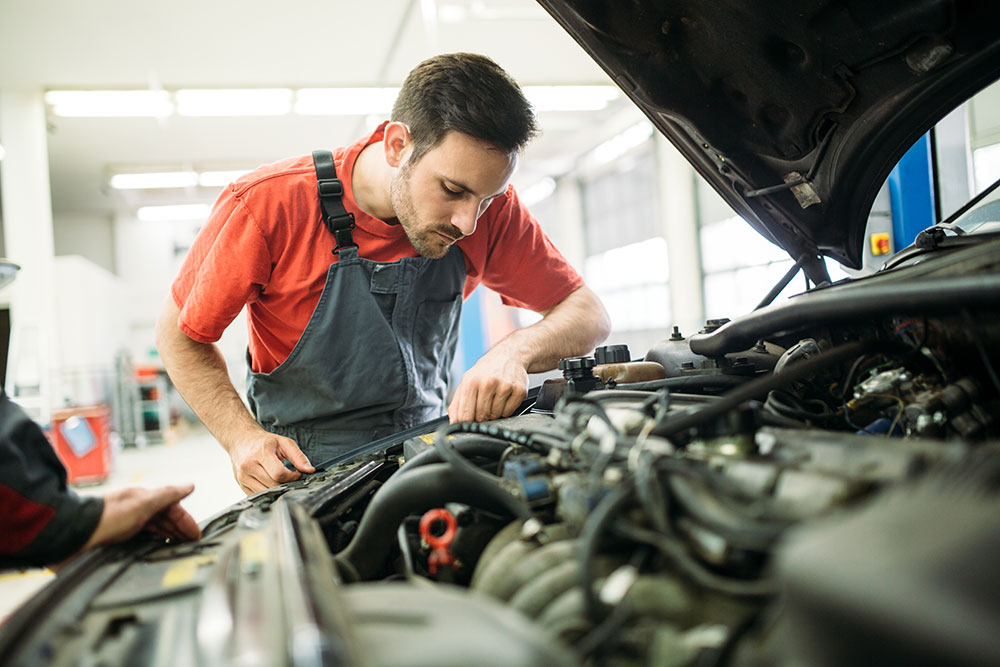
Checking transmission fluid requires the right steps to get accurate results. Preparation ensures the fluid is at the correct temperature and properly circulated. This prevents misreading the fluid level or condition.
Start by warming the engine. Drive your car for about 10 to 15 minutes until it reaches normal operating temperature. Warm fluid flows better and reflects the real level inside the transmission.
Warm Up The Engine
Turn on the engine and let it idle for a few minutes. This warms the transmission fluid. Cold fluid is thicker and gives false readings. Warm fluid moves freely and shows the true level.
Shift Through All Gears
With your foot on the brake, slowly shift through every gear. Move from Park to Drive, Reverse, and back to Park. This step circulates fluid through the transmission system. It helps check the fluid in all parts of the transmission.
Park On A Level Surface
Always check fluid on a flat, level area. Parking on a slope can cause wrong fluid level readings. Level ground ensures the fluid settles evenly in the transmission.
Locate The Transmission Dipstick
Open the hood and find the transmission dipstick. It usually has a bright-colored handle, often red or yellow. Check your owner’s manual if you have trouble locating it. Pull the dipstick out carefully for inspection.
Step-by-step Fluid Level Check
Checking your transmission fluid level is important for your car’s health. This simple task helps prevent costly repairs. Follow these steps carefully for the best results. Make sure the engine is warm and running before you start.
Keep the car on a flat surface and use the parking brake. This ensures accurate fluid readings. Each step is designed to help you check fluid correctly and safely.
Locate The Transmission Dipstick
Open the hood and find the transmission dipstick. It usually has a bright-colored handle. The dipstick is often near the back of the engine. Pull it out gently for inspection.
Cycle Through The Gears
With your foot on the brake, move the gear shifter slowly. Shift from Park to Drive, then back to Park. This moves the fluid through all parts of the transmission. Leave the car idling in Park or Neutral as your manual advises.
Clean And Reinsert The Dipstick
Wipe the dipstick clean using a lint-free rag. Insert it fully back into the tube. Pull it out again to check the fluid level. This ensures you get an accurate reading.
Check Fluid Level, Color, And Smell
Look at the fluid on the dipstick. It should be bright red or pink and clear. Dark brown, black, or burnt-smelling fluid means it needs changing. Call a mechanic if you notice these signs.

Credit: www.youtube.com
Credit: www.reddit.com
Frequently Asked Questions
How Do I Tell If My Transmission Fluid Is Low?
Check the transmission fluid with the engine running and warm. Locate the dipstick, wipe it clean, reinsert, then check the level. Low fluid appears below the marked line. Dark color or burnt smell also indicates low or degraded fluid needing replacement.
Do You Check Transmission Fluid When The Engine Is Warm Or Cold?
Check transmission fluid with the engine running and fully warmed up for accurate level and condition. Consult your owner’s manual for specific instructions.
How To Check Transmission Fluid On Buick Lucerne?
Warm up your Buick Lucerne and keep the engine running. Locate and remove the transmission dipstick. Wipe it clean, reinsert fully, then pull out to check fluid level and condition. Fluid should be bright red and smell normal; dark or burnt fluid needs changing.
What Are The First Signs Of Transmission Failure?
Early signs of transmission failure include slipping gears, delayed shifting, strange noises, burning smell, and fluid leaks. Watch for rough or erratic shifting and dashboard warning lights. Address these issues promptly to avoid costly repairs.
Do You Check Transmission Fluid While The Engine Runs?
Yes, most vehicles require the engine to be running and warmed up. This ensures an accurate fluid level reading. Always consult your owner’s manual for specific instructions.
Conclusion
Checking transmission fluid with the engine running gives the most accurate reading. The fluid circulates fully, showing the true level and condition. Always warm up your car first and keep it idling during the check. Follow your owner’s manual, as some cars need the engine off.
Look for bright red fluid that smells clean. Dark or burnt fluid means it needs changing. Regular checks help avoid costly transmission problems later. Keep this simple step part of your car care routine. It protects your transmission and keeps your ride smooth.