What Happens If You Overfill Your Coolant Reservoir: Risks Explained
Have you ever wondered what really happens if you overfill your coolant reservoir? It might seem like a small mistake, but topping off your coolant the wrong way can cause big problems for your car.
From unexpected leaks to engine overheating, overfilling can affect your vehicle’s health and your safety on the road. Keep reading to find out why it matters, how to spot the signs, and what you should do if you’ve put in too much coolant.
Understanding this can save you time, money, and stress down the line.
Credit: www.reddit.com
Coolant Reservoir Basics
Overfilling the coolant reservoir can cause pressure buildup and leaks. This may lead to engine damage or overheating. Proper coolant levels help your engine run smoothly and stay cool.
What Is A Coolant Reservoir?
The coolant reservoir holds extra coolant for your vehicle’s engine. It connects to the radiator with a small hose. The reservoir stores coolant that expands when the engine heats up. This helps keep the engine at the right temperature.
Why Is The Coolant Reservoir Important?
The reservoir prevents coolant loss and air from entering the system. It keeps the cooling system sealed and efficient. Without it, the engine could overheat or get damaged. The reservoir also shows how much coolant is in the system.
How To Check Coolant Levels
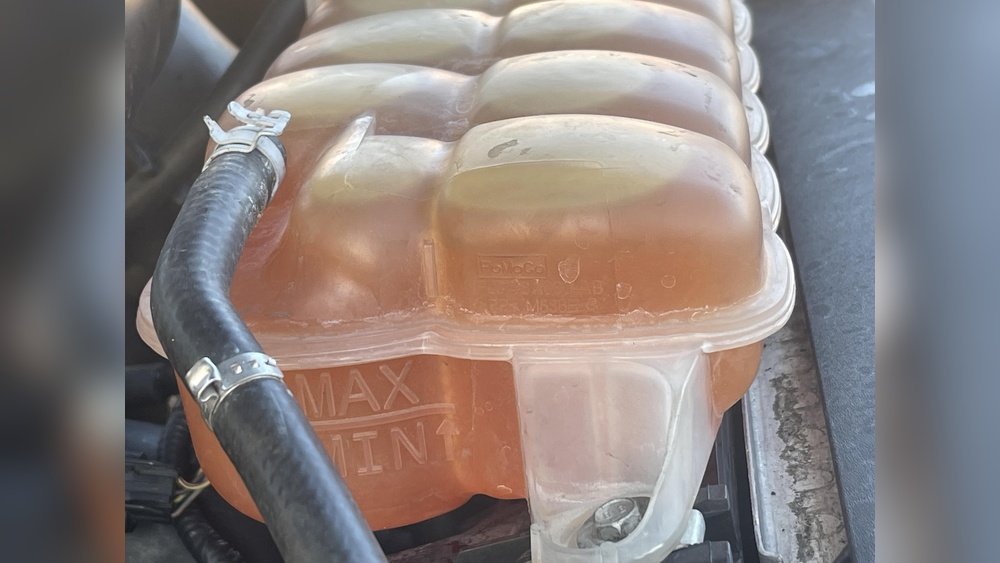
Locate the reservoir under the hood. Look at the side for level marks. The coolant should be between the “Min” and “Max” lines. Check when the engine is cool to avoid burns. Use the correct coolant type if you need to add more.
Credit: www.youtube.com
Causes Of Overfilling
Overfilling the coolant reservoir happens more often than many expect. It can cause pressure build-up and damage to the cooling system. Understanding what causes overfilling helps prevent costly repairs and keeps the engine safe.
Several common reasons lead to putting too much coolant in the reservoir. Knowing these causes helps you check and maintain the right level.
Improper Filling Technique
Pouring coolant too fast can cause spills and overfill. Some people fill the reservoir without checking the level mark. Filling past the “max” line leads to excess coolant.
Ignoring Expansion Space
The coolant reservoir needs room for fluid expansion when the engine heats up. Filling it completely leaves no space for expansion. This forces excess coolant out through overflow tubes.
Refilling Without Draining Old Coolant
Adding new coolant without removing old fluid increases volume. This raises the coolant level beyond the safe limit. Regular coolant flushes help avoid this problem.
Using Incorrect Coolant Type
Some coolants mix improperly, causing foaming and expansion. Foamed coolant takes more space and can push levels above the max line. Always use the type recommended for your vehicle.
Faulty Radiator Cap Or Pressure Valve
A bad radiator cap or valve can cause pressure build-up. This may force more coolant into the reservoir than it should hold. Replacing faulty parts stops overfill issues.
Pressure Build-up Effects
Overfilling the coolant reservoir causes pressure to rise inside the system. This pressure can damage hoses and seals, leading to leaks. Too much coolant also prevents proper expansion, risking engine overheating and costly repairs.
Understanding Pressure Build-up In The Coolant System
Overfilling the coolant reservoir causes extra pressure inside the cooling system. The coolant expands as the engine heats up. Too much fluid leaves no room for this expansion. Pressure starts to build quickly inside the reservoir and hoses.
Excess pressure stresses the reservoir and other parts. The system is designed for a specific pressure range. Surpassing this limit can lead to serious problems. The coolant system’s pressure cap tries to release extra pressure. But a lot of overfill can overwhelm it.
Damage To The Coolant Reservoir And Hoses
High pressure stretches and weakens the reservoir walls. Plastic tanks may crack or burst under stress. Hoses connected to the reservoir may swell or leak. This causes coolant loss and overheating risks. Small leaks can quickly turn into bigger issues.
Impact On Engine Cooling Performance
Pressure build-up can block the flow of coolant. Overfilled reservoirs may cause air pockets in the system. Air pockets reduce the cooling efficiency. The engine may run hotter than normal. Higher engine temperatures can lead to damage.
Risk Of Coolant Overflow And Spills
Extra pressure pushes coolant out of the reservoir cap or overflow tube. Coolant spills onto the engine or ground. Spilled coolant is slippery and toxic. It may damage engine parts or harm pets and wildlife. Cleanup is necessary to avoid hazards.

Credit: www.youtube.com
Potential Engine Damage
Overfilling the coolant reservoir can lead to serious engine problems. The cooling system works best with the right coolant level. Too much coolant creates pressure and stress in the system.
This pressure can cause damage to engine parts. It may lead to leaks, cracks, or even engine overheating. Understanding these risks helps protect your vehicle.
Pressure Build-up In Cooling System
Extra coolant raises pressure inside the cooling system. This pressure forces coolant out through seals and hoses. Over time, these parts weaken and can break.
Leaking coolant reduces the system’s ability to cool the engine. A damaged seal or hose can cause sudden coolant loss.
Damage To Engine Seals And Gaskets
Too much pressure affects engine seals and gaskets. These parts keep coolant and oil separate. When damaged, coolant can mix with oil.
This mix harms engine components and lowers lubrication. It can cause engine parts to wear out faster.
Risk Of Overheating And Engine Failure
Overfilled coolant can reduce the space for expansion. Hot coolant needs room to expand safely. Without it, the engine may overheat quickly.
Overheating causes serious engine damage like warped heads or a blown head gasket. Repair costs can be very high.
Signs Of Overfilled Coolant
Overfilling the coolant reservoir can cause several problems in your vehicle. It is important to spot the signs early. These signs warn you that the coolant level is too high. Detecting them helps avoid engine damage and costly repairs.
Understanding these signs also keeps your car running smoothly. Watch for changes in how your car behaves. Look for visible clues under the hood and around the reservoir.
Coolant Overflow Or Leaks
Too much coolant can spill out of the reservoir. You may see wet spots or puddles under the car. Coolant leaks often appear near the reservoir cap or hoses. This overflow happens because excess coolant has no space to go.
Swelling Or Bulging Reservoir
The reservoir may look swollen or bulged. Overfilled coolant puts pressure on the plastic tank. This pressure can deform the reservoir shape. A bulging reservoir signals excess coolant inside the system.
Engine Overheating
Overfilled coolant can cause engine temperature to rise. The cooling system works less efficiently under pressure. This can lead to overheating during driving. A hot engine may cause warning lights on your dashboard.
Coolant Smell Inside The Vehicle
A sweet, strong smell inside the car may mean coolant is leaking. Overfilled coolant can push liquid into areas it should not reach. This often results in a noticeable coolant odor inside the cabin. It is a sign to check your coolant level immediately.
Safe Coolant Filling Tips
Overfilling the coolant reservoir can cause pressure buildup and leaks. This may damage engine parts and reduce cooling efficiency. Careful filling keeps your car running safely.
Check The Coolant Level When Engine Is Cold
Always check the coolant level when the engine is cold. Hot coolant can cause burns if the reservoir cap is opened. Wait at least 30 minutes after turning off the engine to avoid injury. This practice helps you get an accurate reading of the coolant level.
Use The Correct Coolant Type
Use the coolant type recommended in your vehicle’s manual. Mixing different types can cause damage and reduce cooling efficiency. Stick to the manufacturer’s guidelines for the best results. This choice prevents corrosion and keeps the engine safe.
Fill Below The Maximum Mark
Fill the reservoir only up to the maximum fill line. Overfilling can cause pressure build-up and lead to leaks. Leave some space for coolant expansion as the engine heats up. This step helps maintain proper cooling system function.
Use A Funnel To Avoid Spills
Use a funnel to pour coolant into the reservoir. This tool prevents spills that can damage engine parts or paint. Pour slowly and carefully for better control. Clean any spills immediately to avoid corrosion or stains.
Check For Leaks After Filling
After filling, inspect the reservoir and hoses for leaks. Look for wet spots or puddles under the car. Fix any leaks promptly to avoid coolant loss and engine overheating. Regular checks keep the cooling system healthy.
Frequently Asked Questions
What Happens When The Coolant Reservoir Is Overfilled?
Overfilling the coolant reservoir causes pressure to build inside the system. This can lead to leaks or damage to hoses and seals.
Can Overfilled Coolant Damage The Engine?
Yes, excess coolant can cause overheating or poor engine performance. It may also cause the engine to run inefficiently.
How To Fix An Overfilled Coolant Reservoir Safely?
Drain the extra coolant using a clean container. Avoid spilling coolant on engine parts to prevent damage.
Will Overfilling The Coolant Reservoir Cause Leaks?
Too much coolant raises pressure, which can cause hose or reservoir leaks. Leaks reduce cooling efficiency and can harm the engine.
How Much Coolant Should Be In The Reservoir?
Fill the coolant to the “Full” or “Max” line on the reservoir. Avoid exceeding this level to keep the system balanced.
Conclusion
Overfilling your coolant reservoir can cause serious problems. It may lead to leaks and engine damage. Too much coolant puts pressure on the system. This pressure can cause hoses or seals to break. Always check the coolant level carefully. Keep it within the recommended range.
Proper maintenance helps your car run smoothly. Avoid costly repairs by not overfilling. Stay safe by monitoring your coolant regularly. Your engine will thank you for the care.