When You Get New Tires Should You Get an Alignment: Essential Guide
You just got new tires, and they look great on your car. But have you thought about whether you need an alignment too?
It’s a question many drivers overlook, but it can make a big difference in how your car handles and how long your new tires last. If you want to avoid uneven wear, improve safety, and get the most out of your investment, you need to know the right answer.
Keep reading to find out why an alignment might be just as important as those shiny new tires.
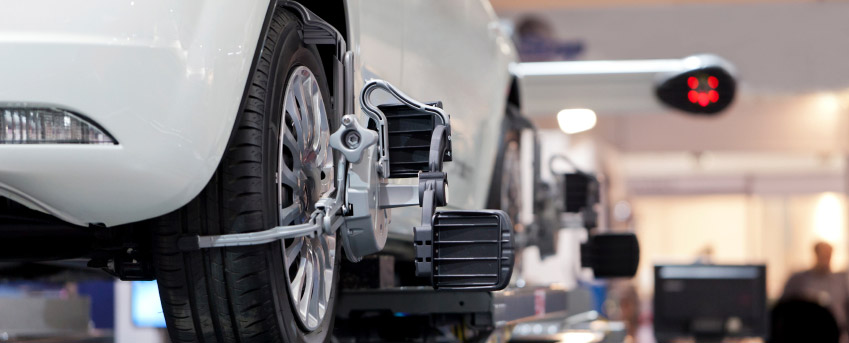
Credit: www.fordfranklin.com
Why Alignment Matters
Getting an alignment after new tires helps your car drive straight and prevents uneven tire wear. Proper alignment saves money and improves safety on the road. It keeps your tires lasting longer and your ride smoother.
What Does Alignment Do?
Alignment adjusts the angles of your tires. It makes sure they point in the right direction. Proper alignment helps your car drive straight and smooth. It also reduces tire wear and improves fuel efficiency.
How Misalignment Affects Your Car
Misalignment can cause uneven tire wear. It makes your tires wear out faster. This can lead to costly replacements. It also makes your car pull to one side. Steering feels harder and less safe.
Why Alignment Is Important With New Tires
New tires need the right angles to last long. Without alignment, tires wear unevenly. This wastes your investment in new tires. Alignment helps new tires perform better and last longer. It keeps your ride safe and comfortable.
How New Tires Affect Alignment
New tires can affect your car’s alignment, causing uneven wear and poor handling. Getting an alignment helps your tires last longer and keeps your ride smooth. It’s a smart step after installing new tires.
How New Tires Change Vehicle Handling
New tires can change the way your car handles on the road. Fresh tires have different grip levels compared to old ones. This difference affects steering and stability. The car may feel tighter or looser during turns. These changes can make your alignment feel off.
Impact On Tire Wear Patterns
Incorrect alignment causes uneven tire wear. New tires highlight alignment issues quickly. Uneven wear shortens tire life and reduces safety. Proper alignment helps new tires wear evenly. This saves money and improves driving comfort.
Role Of Suspension And Steering
New tires add different pressure to the suspension. Suspension parts may react differently with new tires. This can shift the alignment angles slightly. Steering response might feel different after a tire change. An alignment check ensures all parts work well together.
Signs You Need An Alignment
New tires improve your vehicle’s grip and safety. But proper alignment keeps them lasting longer. Misalignment causes uneven tire wear and poor handling. Watch for signs that your car needs an alignment. Catching these early helps avoid costly repairs and unsafe driving.
Uneven Tire Wear
Check your tires for uneven wear patterns. Worn edges or bald spots on one side mean alignment issues. Tires should wear evenly across the tread. Uneven wear reduces tire life and can lead to blowouts.
Vehicle Pulls To One Side
Notice your car drifting left or right while driving straight? This pulling means your wheels are not aligned properly. It forces you to constantly adjust the steering wheel. This can cause fatigue and unsafe driving conditions.
Steering Wheel Is Off-center
The steering wheel should be straight when you drive straight. If it leans to one side, your alignment is off. This affects control and can make driving uncomfortable. It signals that your wheels need adjustment.
Vibrations In The Steering Wheel
Feel vibrations or shaking through the steering wheel? Misaligned wheels often cause this. Vibrations can also mean uneven tire wear or suspension problems. Address alignment to improve comfort and safety.
Benefits Of Getting An Alignment With New Tires
Getting an alignment with new tires helps your car run smoothly. It adjusts the wheels to the right position. This keeps the tires wearing evenly and lasting longer.
Proper alignment also improves your car’s handling. It makes steering easier and safer. You feel more control on the road, especially during turns and stops.
Improved Tire Life
Alignment stops uneven tire wear. Tires last much longer with correct alignment. This saves you money on replacements.
Better Fuel Efficiency
Misaligned wheels cause your car to use more fuel. Getting an alignment helps your car drive straight. This lowers fuel consumption and saves gas.
Smoother Ride
Proper wheel alignment reduces vibration and shaking. Your drive feels more comfortable and stable. It prevents strain on other parts of your car.
Increased Safety
Aligned wheels improve steering response. You can avoid obstacles more easily. This reduces the risk of accidents and improves road safety.
Costs And Timing For Alignments
Getting a wheel alignment after purchasing new tires is important for your vehicle’s health. Knowing the costs and timing helps you plan better. Alignments keep your tires wearing evenly. They also improve your car’s handling and fuel efficiency.
Cost Range For Wheel Alignments
Wheel alignment prices usually range between $50 and $100. The exact price depends on your vehicle type and the shop’s rates. Some shops offer a basic alignment for less, but full alignments cost more. A full alignment checks and adjusts all four wheels.
When To Schedule An Alignment
New tires often need an alignment soon after installation. Scheduling it within a week or two is best. This timing prevents uneven tire wear. Regular alignments every 1 to 2 years keep your car driving smoothly.
Factors Affecting Alignment Frequency
Driving habits affect how often you need an alignment. Rough roads and potholes can knock wheels out of alignment quickly. Also, accidents or hitting curbs require an immediate check. Watch for signs like steering pulling to one side or uneven tire wear.

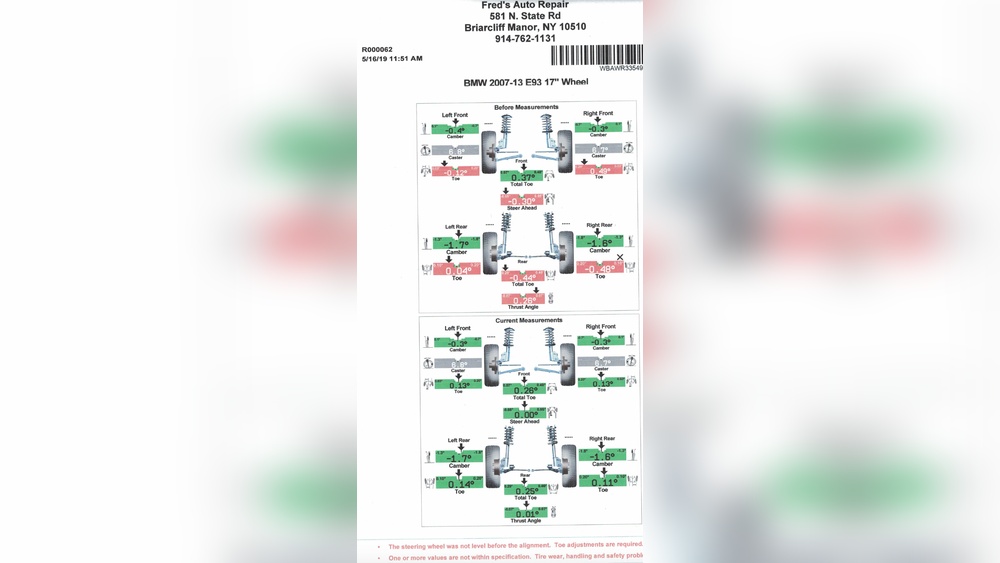
Credit: www.reddit.com
Tips For Maintaining Proper Alignment
Maintaining proper alignment helps your tires last longer and improves driving safety. Proper alignment keeps your car balanced and prevents uneven tire wear. It also ensures better fuel efficiency and a smoother ride.
Here are some easy tips to keep your vehicle’s alignment in good shape.
Check Alignment Regularly
Visit a mechanic for an alignment check at least once a year. Poor alignment can cause your car to pull to one side. Early checks catch problems before they cause major damage.
Inspect Tires Often
Look at your tires for uneven wear patterns. Uneven wear often signals alignment issues. Rotate your tires every 5,000 to 7,000 miles to promote even wear.
Avoid Hitting Curbs And Potholes
Try to avoid driving over potholes or hitting curbs. These impacts can knock your wheels out of alignment. Drive carefully on rough roads to protect your tires.
Maintain Proper Tire Pressure
Keep your tires inflated to the recommended pressure. Low or high pressure can affect alignment and tire wear. Check tire pressure once a month for best results.
Replace Worn Suspension Parts
Worn suspension parts can cause alignment problems. Have a mechanic inspect shocks, struts, and ball joints regularly. Replace any parts that show signs of wear.

Credit: www.reddit.com
Frequently Asked Questions
Should I Get An Alignment With New Tires?
Getting an alignment with new tires helps them wear evenly. It improves driving safety and saves tire life. Misalignment can cause quick tire damage.
How Does Alignment Affect New Tire Performance?
Proper alignment keeps tires balanced and stable on the road. It prevents uneven wear and improves fuel efficiency. Good alignment means smoother rides.
Can Skipping Alignment Damage New Tires?
Skipping alignment can lead to uneven tire wear and early damage. Tires may wear out faster and cost more to replace. Alignment prevents costly tire issues.
How Often Should I Check Alignment After New Tires?
Check alignment every 6,000 miles or after hitting bumps. Regular checks keep tires in good shape and extend their life. Early fixes save money.
Does Alignment Improve Fuel Efficiency With New Tires?
Alignment reduces tire drag and rolling resistance. This helps your car use less fuel on the road. Well-aligned tires save gas and money.
Conclusion
New tires need proper care to last longer. Getting an alignment helps your car drive straight. It prevents uneven tire wear and saves money. Without alignment, tires may wear out fast. Your car will handle better and feel safer. Alignments keep your vehicle running smoothly.
Don’t skip this important step after new tires. It’s a small effort with big benefits. Keep your tires and car in top shape. A quick alignment helps avoid future problems. Save time and money by acting now.