Can a Bad Catalytic Converter Cause Transmission Issues? Shocking Truths Revealed
Have you ever wondered if a bad catalytic converter could be messing with your transmission? It might sound surprising, but the health of your catalytic converter can actually affect how your car shifts gears and drives overall.
If you’re noticing strange transmission problems, it’s important to understand the connection. Keep reading to learn how a failing catalytic converter might be behind your transmission issues—and what you can do to fix it before the damage gets worse.
Credit: www.torrancemotors.com
Role Of A Catalytic Converter
The catalytic converter helps reduce harmful gases from your car’s engine. It changes toxic gases into less harmful ones before they leave the exhaust system. This keeps the air cleaner and reduces pollution. The converter uses a chemical reaction that happens inside its core.
This part works best when it stays clean and unblocked. A damaged or clogged catalytic converter can affect how your car runs. It can cause problems beyond just the exhaust system. One key area that may suffer is the transmission.
How A Catalytic Converter Works
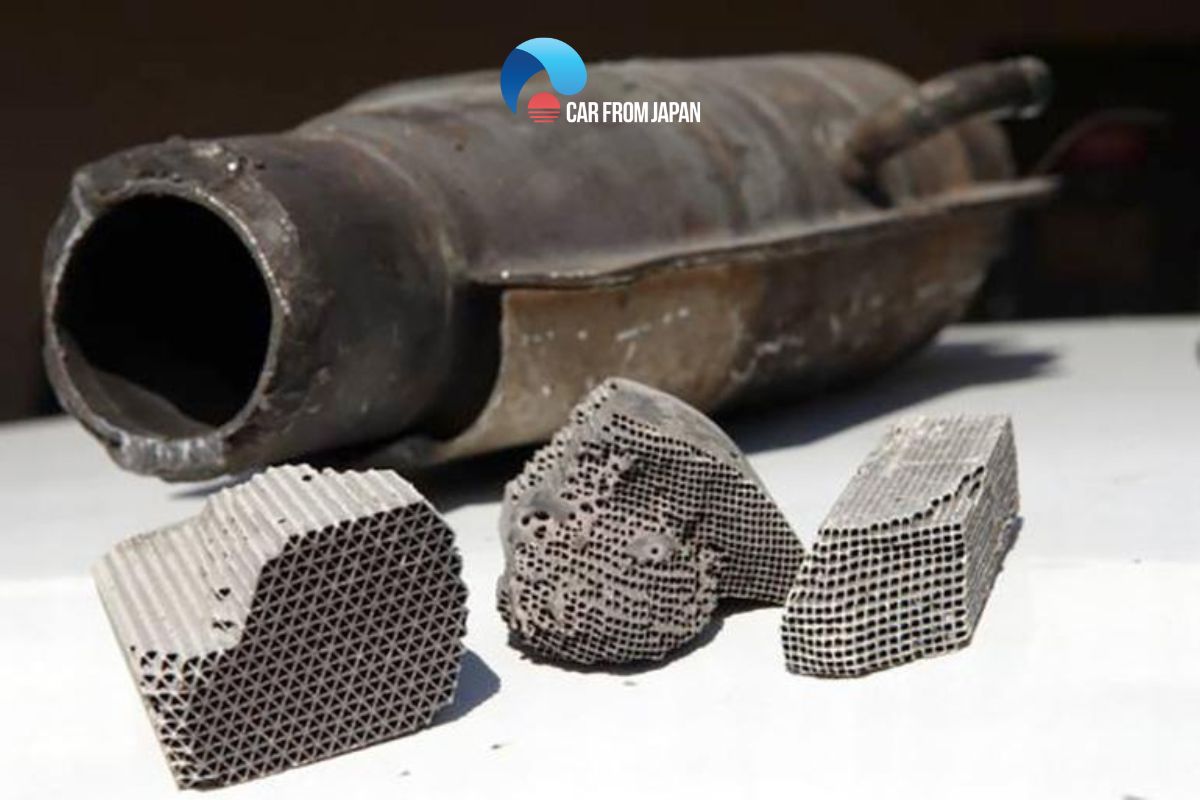
The converter has a honeycomb structure coated with special metals. These metals cause a reaction that turns carbon monoxide and other gases into carbon dioxide and water vapor. This process lowers the toxicity of the exhaust gases.
The engine sends exhaust gases through the catalytic converter. Inside, the gases meet the coated metals and change chemically. This cleaner gas then leaves the car safely through the tailpipe.
Impact Of A Bad Catalytic Converter
A bad catalytic converter can get clogged with carbon deposits. This blockage makes it hard for exhaust gases to pass through. The engine may have to work harder, which affects its performance.
When the engine struggles, it can send wrong signals to the transmission. The transmission relies on proper engine function to shift gears smoothly. If the engine runs poorly, the transmission may slip or shift late.
Connection Between Catalytic Converter And Transmission
The converter affects exhaust flow and engine backpressure. High backpressure can cause the engine to run inefficiently. This inefficiency can lead to transmission problems like delayed shifting.
Engine sensors monitor exhaust and engine performance. A faulty converter can cause sensor errors. These errors may confuse the transmission control system. This can cause harsh or erratic gear changes.

Credit: www.mangoautomotive.com
How A Failing Converter Affects Transmission
The catalytic converter plays a key role in your car’s exhaust system. It cleans harmful gases before they exit the vehicle. A failing converter can cause problems beyond just emissions. It can also impact the transmission’s performance.
When the converter starts to clog or break down, exhaust gases cannot flow smoothly. This causes back pressure in the engine. The engine then works harder to push out exhaust gases. This extra strain can affect the transmission’s operation.
Reduced Engine Performance
A bad catalytic converter limits exhaust flow. The engine loses power and runs roughly. When the engine struggles, the transmission may shift improperly. It may delay shifting or slip between gears. Reduced engine power makes the transmission work harder.
Overheating Transmission Fluid
Excess back pressure raises engine temperature. Higher engine heat can transfer to the transmission. This causes the transmission fluid to overheat. Hot fluid loses its ability to lubricate and cool parts. Overheated fluid leads to transmission damage and failure.
Increased Wear And Tear
The transmission experiences more stress due to engine problems. It shifts gears more often and struggles to maintain smooth operation. This causes faster wear on transmission parts. Over time, this leads to costly repairs or replacement.
Common Transmission Problems Linked To Catalytic Issues
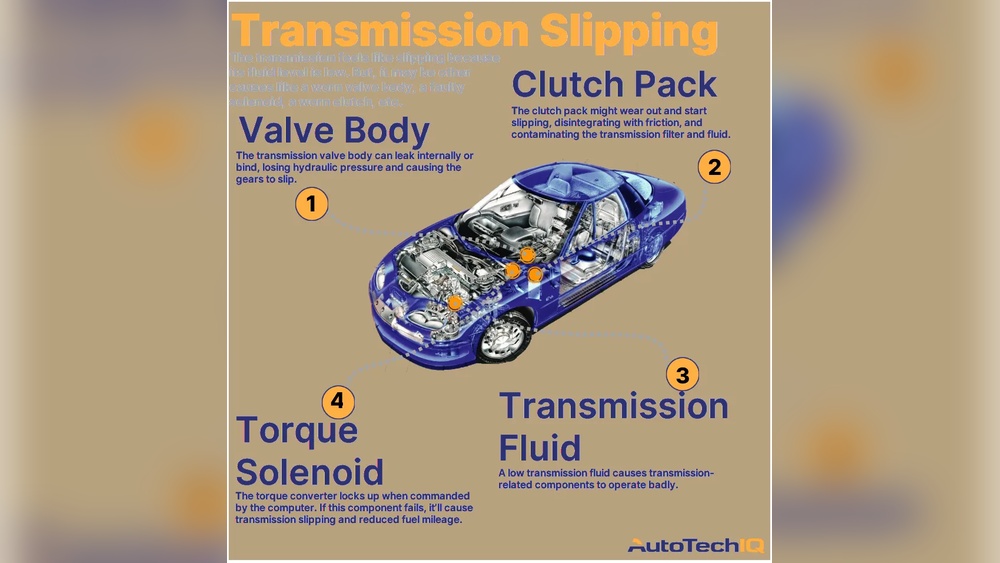
A failing catalytic converter can cause engine strain that affects transmission performance. This strain may lead to slipping gears or delayed shifting, creating driving issues. Transmission problems often link back to exhaust system troubles like catalytic converter faults.
Clogged Catalytic Converter And Overheating Transmission
A clogged catalytic converter limits exhaust flow. This causes the engine to work harder. The extra work heats up the transmission fluid. Overheated transmission fluid loses its ability to lubricate properly. This can lead to transmission slipping or failure. Overheating also damages transmission seals, causing leaks.
Reduced Engine Power Affecting Gear Shifts
A bad catalytic converter reduces engine power output. Lower engine power makes it harder for the transmission to shift smoothly. The transmission may hesitate or shift roughly. This puts stress on transmission components. Frequent rough shifts can shorten transmission life.
Sensor Malfunctions Impacting Transmission Control
The catalytic converter works with oxygen sensors. A failing converter can cause sensor errors. Faulty sensors send wrong data to the transmission control unit. The unit may shift gears at wrong times. This causes poor performance and uneven driving experience.
Increased Emissions Leading To Transmission Damage
Bad catalytic converters increase harmful emissions. These emissions can cause deposits inside the transmission. Deposits clog transmission filters and valves. This reduces fluid flow and transmission efficiency. Over time, it leads to serious transmission damage.
Credit: carfromjapan.com
Fixing Converter And Transmission Problems
Problems with a catalytic converter can affect your car’s transmission. The two parts work together to keep your vehicle running smoothly. Fixing one may help solve issues with the other. Understanding how to address these problems is key to avoiding costly repairs later.
Start by identifying the source of the trouble. A clogged converter can cause the engine to work harder. This extra strain can lead to transmission slipping or shifting problems. Fixing the converter often eases the load on the transmission.
Diagnosing Catalytic Converter Issues
Check for symptoms like poor acceleration and strange smells. A mechanic may use a scanner to find error codes. They might also test the exhaust flow to see if the converter is blocked. Early diagnosis helps prevent transmission damage.
Repairing Or Replacing The Converter
Minor issues can sometimes be fixed by cleaning the converter. Severe damage usually requires replacement. A new converter restores proper exhaust flow. This reduces stress on the transmission and improves engine performance.
Inspecting Transmission Health
Transmission fluid should be checked for color and smell. Dark or burnt fluid signals trouble. A mechanic will look for worn parts and leaks. Fixing these can stop transmission problems from getting worse.
Transmission Repair Options
Small problems might be fixed with a fluid change or filter replacement. More serious cases need part repairs or a rebuild. Keeping the transmission in good shape improves overall vehicle health. Regular maintenance reduces the risk of future issues.
Frequently Asked Questions
Can A Bad Catalytic Converter Affect Transmission Performance?
A failing catalytic converter can cause engine issues that may affect transmission shifts. Poor engine power or misfires can lead to rough or delayed gear changes. This happens because the transmission relies on smooth engine operation.
What Symptoms Link Catalytic Converter Problems To Transmission Issues?
Symptoms include sluggish acceleration, rough shifting, and warning lights on the dashboard. Engine hesitation or stalling may also cause the transmission to struggle. These signs suggest the catalytic converter might be clogged or damaged.
How Does A Clogged Catalytic Converter Impact Transmission Fluid?
A clogged converter can cause excessive engine heat, which may overheat transmission fluid. Hot fluid loses its ability to lubricate and cool the transmission properly. This can lead to faster wear and transmission failure.
Can Fixing The Catalytic Converter Improve Transmission Health?
Repairing or replacing the catalytic converter often restores engine performance and smooth shifting. This reduces stress on the transmission and helps prevent further damage. Timely repair supports both engine and transmission longevity.
Conclusion
A bad catalytic converter can affect your car’s transmission. It may cause poor engine performance and clog exhaust flow. These problems can lead to shifting issues and transmission damage. Fixing the catalytic converter early helps avoid costly repairs. Keep your vehicle maintained to ensure smooth driving.
Watch for signs like rough idling or slow acceleration. Prompt action keeps both engine and transmission healthy. Simple checks can save you from bigger troubles later. Take care of your car for better performance and safety.