Where Should You Place Your Hands on the Steering Wheel: Expert Tips
Where you place your hands on the steering wheel might seem like a small detail, but it can make a huge difference in your safety and control while driving. You might think you already know the best position, but what if a simple change could help you react faster or feel more comfortable behind the wheel?
Keep reading to discover the expert-recommended hand placement that can boost your confidence and keep you safer on the road every time you drive.

Credit: fixautousa.com
Recommended Hand Positions
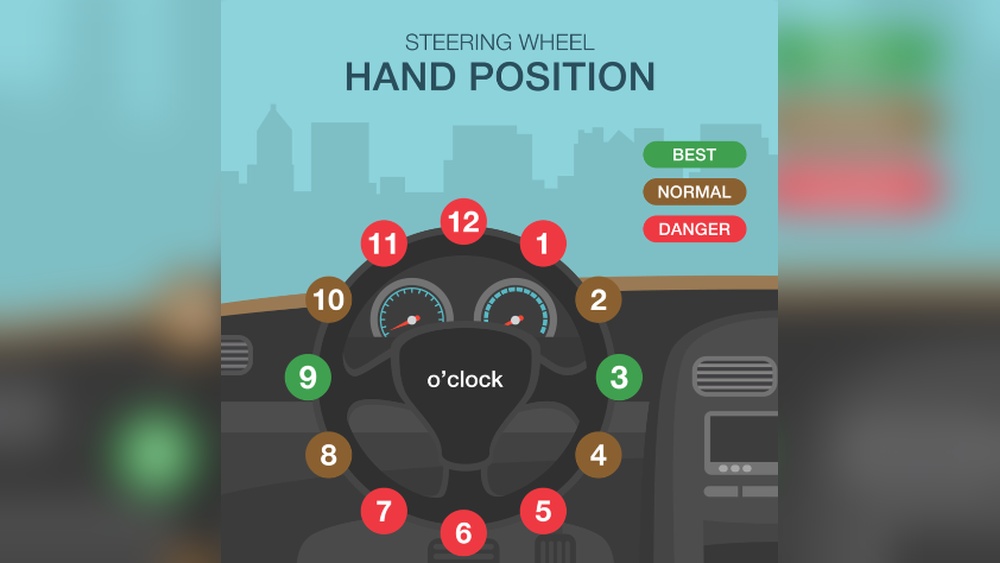
Knowing the best hand positions on the steering wheel helps you drive safely. Proper hand placement gives better control of the car. It also reduces fatigue during long drives. The recommended positions help protect your hands and arms in case of an accident.
9 And 3 O’clock
Placing your hands at 9 and 3 o’clock is the safest option. This position offers balanced control on both sides of the wheel. It allows quick and smooth turns without crossing your arms. Many driving experts and safety organizations recommend this position.
8 And 4 O’clock
The 8 and 4 o’clock position feels more relaxed for some drivers. It reduces strain on your shoulders and wrists during long trips. This position also keeps your arms low and out of the airbag’s path. It is a good choice for everyday driving.
Why Avoid 10 And 2 O’clock
The 10 and 2 o’clock position was popular before airbags became standard. It puts your hands higher on the wheel, closer to the airbag. In a crash, the airbag can push your hands into your face or cause injury. This position can also cause more fatigue and less control.
Safety Benefits Of Proper Hand Placement
Proper hand placement on the steering wheel is crucial for safe driving. It helps keep you in control and ready to respond quickly. Holding the wheel correctly lowers the chance of injury during sudden stops or accidents. This simple habit improves your overall driving safety and confidence.
Improved Vehicle Control
Placing your hands correctly gives you better control of the car. It allows smoother steering and sharper turns. You can steer easily without overreaching or straining your arms. This helps you stay on the road, especially in tight or emergency situations.
Reduced Risk Of Injury
Proper hand placement lowers the chance of wrist or arm injuries. It keeps your arms relaxed and ready to absorb shocks. During airbag deployment, your hands are less likely to be hurt. This position also prevents your hands from slipping off the wheel.
Enhanced Reaction Time
Correct hand placement prepares you to react faster to road hazards. Your hands stay in a balanced position, ready to move instantly. This speed can make a big difference in avoiding accidents. Quick reactions help keep you and others safe on the road.
Adjusting Hand Placement For Different Driving Situations
Adjusting hand placement on the steering wheel helps control the vehicle safely. Different driving situations need different hand positions. This keeps you ready for any movement and improves your reaction time.
City Driving
In city driving, traffic is often slow and stop-and-go. Keep your hands at the 9 and 3 o’clock positions. This gives you good control and quick access to signals and brakes. It also reduces arm fatigue during frequent turns and stops.
Highway Driving
On highways, speed is higher and the road is straighter. Hold the wheel lightly at 9 and 3 o’clock or slightly lower. This position helps steady the car over long distances. Keep your grip relaxed to avoid stiffness but firm enough for quick corrections.
Emergency Maneuvers
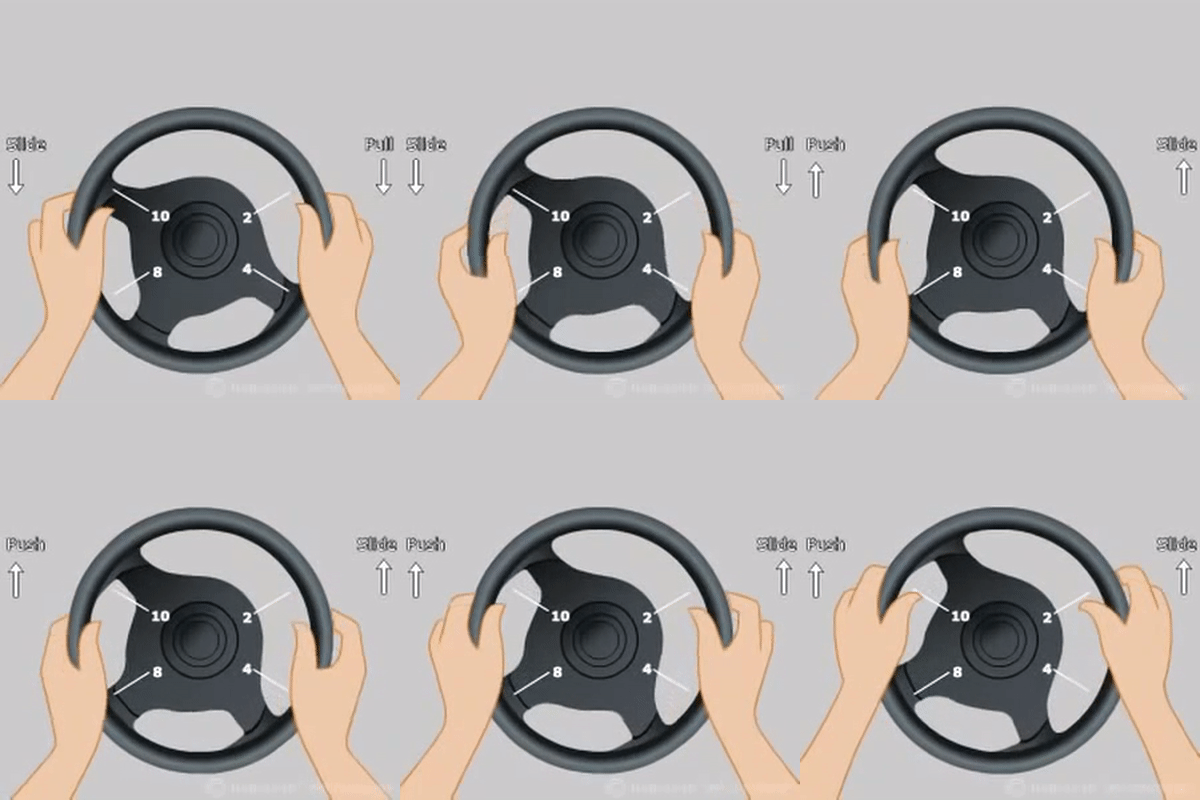
In emergencies, fast and precise steering is crucial. Use the hand-over-hand technique for sharp turns. Keep hands at 9 and 3 o’clock for the best leverage. This allows quick and strong steering without losing control.
Credit: driving-tests.org
Common Mistakes And How To Avoid Them
Many drivers make common mistakes with their hand placement on the steering wheel. These errors can reduce control and increase the risk of accidents. Knowing what to avoid helps you drive safer and more comfortably.
Gripping Too Tightly
Holding the wheel too hard causes hand and arm fatigue. It also reduces your ability to react quickly. Keep a firm but relaxed grip. Your hands should feel steady, not tense.
Hands Off The Wheel
Taking hands off the wheel, even for a moment, lowers your control. It delays your response time in emergencies. Always keep both hands on the wheel while driving. This keeps you ready for sudden moves.
Using One Hand Only
Driving with one hand limits your steering power. It makes quick turns harder and less safe. Use both hands evenly placed on the wheel. This offers better balance and control on the road.
Credit: www.gauthmath.com
Frequently Asked Questions
Where Is The Safest Place To Hold The Steering Wheel?
The safest place to hold the steering wheel is at the 9 and 3 o’clock positions. This grip gives you the best control and balance. It also reduces injury risk if the airbag deploys.
Why Avoid Holding The Wheel At 10 And 2 O’clock?
Holding the wheel at 10 and 2 o’clock can cause injury if the airbag inflates quickly. This position also offers less control during sharp turns. Experts now recommend lower hand positions instead.
How Does Hand Placement Affect Driving Control?
Proper hand placement improves your steering accuracy and reaction time. It helps keep the car stable during sudden moves. This means safer driving overall.
Can Hand Position Reduce Fatigue On Long Drives?
Yes, placing your hands at 9 and 3 o’clock reduces muscle strain. This position lets your arms rest naturally. It helps keep you comfortable during long trips.
Conclusion
Placing your hands correctly helps you drive safely and comfortably. Keep your hands at the recommended positions for better control. Avoid holding the wheel too tightly or with one hand. This simple habit can prevent accidents and reduce fatigue. Remember, safe driving starts with good hand placement.
Practice often, and it will become natural. Stay alert, stay safe.