How Do You Remove Hard Water Spots from Car Windows: Easy Tips
Have you ever noticed those stubborn white spots on your car windows that just won’t go away? Hard water spots can make your car look dirty and neglected, even right after you’ve cleaned it.
If you’re tired of struggling with these annoying marks, you’re in the right place. You’ll discover simple, effective ways to remove hard water spots from your car windows and restore that crystal-clear shine. Keep reading, and you’ll learn how to protect your car’s glass so those spots don’t come back.
Your car deserves to look its best—and you deserve an easy solution.
Causes Of Hard Water Spots
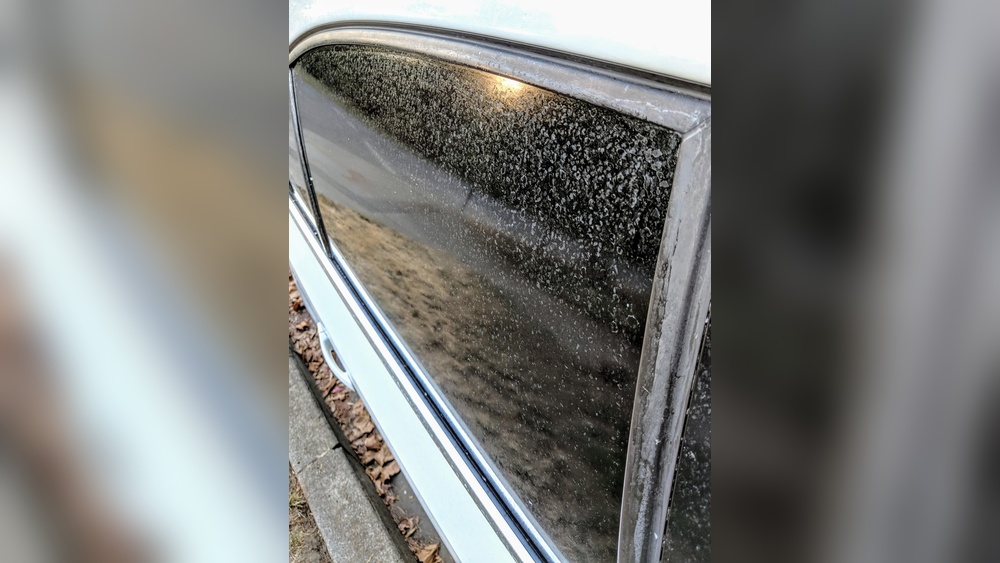
Hard water spots form on car windows from minerals in water. These spots are tough to remove and leave your glass looking dull. Understanding what causes these spots helps prevent and treat them effectively.
What Is Hard Water?
Hard water contains minerals like calcium and magnesium. These minerals come from natural underground sources. When water evaporates, minerals stay behind. They create white or cloudy spots on surfaces.
How Water Evaporation Affects Car Windows
After washing or rain, water dries on the glass. As it evaporates, minerals do not disappear. They build up and stick to the window. This buildup causes hard water spots to appear.
Sources Of Hard Water On Cars
Car windows get hard water spots from tap water, rain, or sprinklers. Tap water often has more minerals. Rainwater can carry minerals and dirt. Sprinklers spray hard water on your car too.
Why Hard Water Spots Are Hard To Remove
Mineral deposits bond strongly to glass. Over time, they become thicker and tougher. Simple wiping does not remove them. Special cleaning is needed to break down minerals.

Credit: www.youtube.com
Tools And Materials Needed
Removing hard water spots from car windows needs the right tools and materials. Using the correct items makes the job easier and better. Here is a list of what you will need to clear those spots effectively.
Soft Microfiber Cloths
Soft microfiber cloths help clean without scratching glass. They absorb water and cleaning solutions well. Use them to wipe and polish windows gently.
White Vinegar
White vinegar is a natural cleaner that breaks down mineral deposits. It is safe for glass and easy to find in stores. Use vinegar diluted with water for best results.
Spray Bottle
A spray bottle helps apply vinegar evenly on the window. It controls the amount of liquid and reduces mess. Use a clean spray bottle for better hygiene.
Plastic Scraper Or Razor Blade
A plastic scraper or a razor blade removes tough spots without damaging glass. Use it carefully at a low angle. Avoid metal scrapers that can scratch the window.
Water
Clean water rinses away dirt and vinegar after cleaning. Use warm water to help dissolve hard water spots quicker. Always rinse thoroughly to avoid streaks.
Using Vinegar To Remove Spots
Vinegar is a simple and natural way to remove hard water spots from car windows. It works by breaking down the minerals that cause the spots. This method is safe for glass and easy to try at home.
Use white vinegar for the best results. It is acidic enough to dissolve mineral deposits without damaging the glass. Vinegar is also affordable and easy to find.
Prepare The Vinegar Solution
Mix equal parts of white vinegar and water in a spray bottle. This diluted solution is gentle yet effective. Avoid using pure vinegar, as it can be too strong and might harm rubber seals.
Apply The Solution To The Windows
Spray the vinegar solution directly onto the hard water spots. Let it sit for about five minutes. The vinegar will soften the mineral buildup, making it easier to remove.
Wipe Away The Spots
Use a soft cloth or sponge to wipe the spots gently. Avoid scrubbing hard to prevent scratches. Rinse the window with clean water afterward to remove any vinegar residue.
Repeat If Needed
Stubborn spots might need a second treatment. Apply the vinegar solution again and wait a little longer. Patience helps remove tough mineral deposits without damage.
Applying Baking Soda Paste
Mix baking soda with water to make a thick paste. Spread it on hard water spots and let it sit for a few minutes. Gently scrub the spots with a soft cloth, then rinse with clean water.
What Is Baking Soda Paste?
Baking soda paste is a simple mix of baking soda and water. It forms a gentle scrub that removes hard water spots. The paste is mild and safe for car windows. It breaks down mineral deposits without scratching the glass.
How To Make Baking Soda Paste
Start with two tablespoons of baking soda. Add one tablespoon of water slowly. Mix until it becomes a thick paste. Adjust water or baking soda to get the right texture. The paste should be easy to spread but not runny.
Applying The Paste On Car Windows
Use a soft cloth or sponge to apply the paste. Spread it gently over the hard water spots. Let the paste sit for 5 to 10 minutes. This time lets the baking soda work on mineral stains. Avoid letting the paste dry completely on the glass.
Cleaning And Rinsing
After waiting, rub the paste lightly in small circles. Focus on the spots but be gentle. Rinse the window with clean water to remove all paste. Dry the glass with a soft towel or microfiber cloth. Check for any remaining spots and repeat if needed.
Commercial Cleaners For Tough Spots
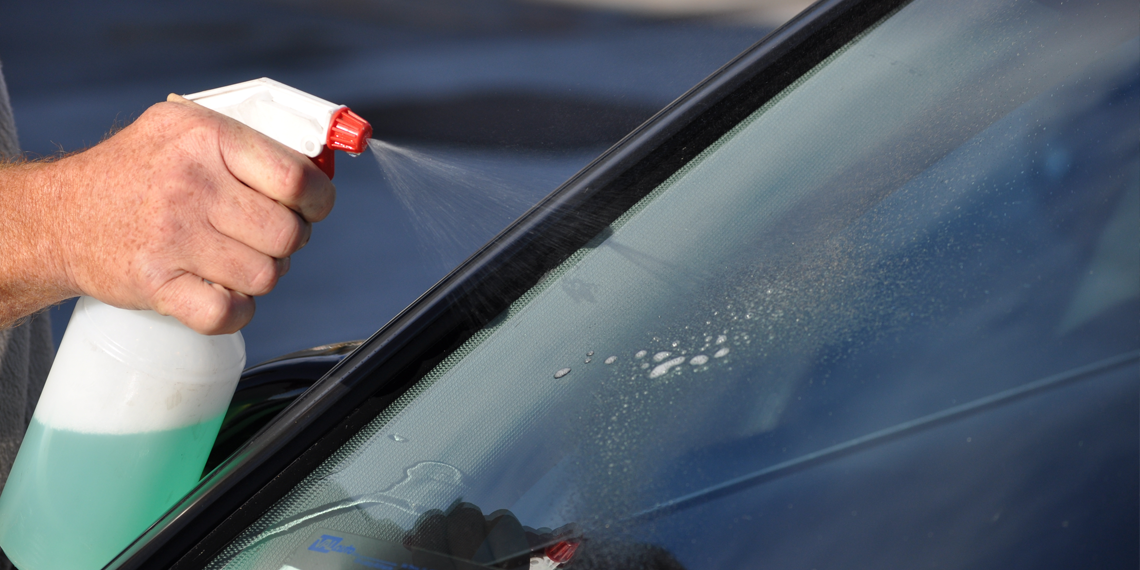
Hard water spots on car windows can be stubborn and hard to remove. Commercial cleaners offer strong solutions for these tough marks. These products are made specifically to break down mineral deposits quickly. They save time and effort compared to home remedies.
Choosing the right cleaner ensures a clear, spot-free window without damage. Most commercial cleaners are easy to use. Simply apply, let sit for a short time, then wipe away. Some formulas also protect glass from future spots.
Types Of Commercial Cleaners
Commercial cleaners come in sprays, gels, and wipes. Spray cleaners are quick and cover large areas easily. Gel cleaners stick to vertical surfaces for better soaking. Wipes combine cleaning and polishing in one step.
How To Use Commercial Cleaners Safely
Read instructions carefully before use. Wear gloves to protect your skin. Use in a well-ventilated area to avoid fumes. Test the cleaner on a small window spot first. Avoid scrubbing hard to prevent scratches.
Benefits Of Commercial Cleaners For Hard Water Spots
These cleaners dissolve mineral buildup fast. They reduce the need for repeated cleaning. Most products also help repel water after cleaning. This keeps windows clearer for longer periods.
Credit: taylorautoglass.com
Preventing Future Hard Water Spots
Preventing hard water spots on car windows saves time and effort. It keeps your windows clear and shiny longer. Simple habits and products help stop spots from forming again.
Use A Water Repellent Spray
Water repellent sprays create a protective layer on windows. They make water bead up and roll off quickly. This reduces the chance of water spots forming.
Apply the spray after cleaning the windows. Follow the instructions on the product for best results. Reapply regularly to maintain protection.
Dry Windows Immediately After Washing
Water left on windows dries and leaves spots. Use a soft microfiber cloth to dry windows after washing. This removes water before it can leave marks.
Drying windows also prevents dirt from sticking to wet surfaces. Make drying a routine step after every wash.
Wash With Filtered Or Distilled Water
Tap water contains minerals that cause hard water spots. Washing windows with filtered or distilled water reduces mineral deposits. This helps keep windows spot-free.
Use a spray bottle filled with distilled water for the final rinse. It minimizes hard water stains effectively.
Park In Covered Or Shaded Areas
Sunlight speeds up water evaporation and spot formation. Parking in shade slows drying and reduces spots. Covered parking protects windows from rain and sprinklers too.
Find a garage or carport when possible. If not, use a car cover to shield windows.

Credit: www.reddit.com
Frequently Asked Questions
What Causes Hard Water Spots On Car Windows?
Hard water spots form from minerals in water drying on the glass. These minerals leave white, chalky marks that are hard to remove. Rain, sprinklers, and washing your car with hard water can cause these spots.
Can Vinegar Remove Hard Water Spots From Car Windows?
Yes, vinegar is an effective natural cleaner for hard water spots. Its acidity breaks down mineral deposits without damaging the glass. Apply vinegar with a cloth, let it sit, then wipe clean.
How Often Should I Clean Hard Water Spots On Car Windows?
Clean hard water spots as soon as you notice them. Regular cleaning prevents buildup and keeps windows clear. Aim to check and clean your windows at least once a week.
Are Commercial Cleaners Better Than Home Remedies For Water Spots?
Commercial cleaners often work faster but can contain harsh chemicals. Home remedies like vinegar are gentle, safe, and affordable. Choose based on your preference and the severity of spots.
Can Hard Water Spots Damage Car Windows Permanently?
Hard water spots usually don’t cause permanent damage if cleaned promptly. Over time, mineral buildup can etch the glass, leaving faint marks. Regular cleaning helps protect your windows from lasting harm.
Conclusion
Hard water spots on car windows can be tough to remove. Using common household items makes the task easier. Regular cleaning helps prevent spots from building up again. Gently scrubbing with a soft cloth avoids scratches. Taking care of your car windows keeps your view clear and safe.
Clean windows also improve your car’s appearance. Try these simple steps and see the difference yourself. A little effort goes a long way in maintaining your car’s shine. Keep your car looking its best with easy, regular care.