Is Front-Wheel Drive Or Rear-Wheel Drive Better in Snow: Ultimate Guide
When winter hits and snow covers the roads, you want to know your car will keep you safe. If you’ve ever wondered whether front-wheel drive or rear-wheel drive is better for snowy conditions, you’re not alone.
Choosing the right drive system can make a big difference in how your car handles slippery surfaces. You’ll discover the pros and cons of each option, so you can feel confident behind the wheel no matter how icy it gets.
Keep reading to find out which drive system suits your needs best this winter.
Front-wheel Drive Basics
Front-wheel drive (FWD) is a common type of drivetrain in many cars. It means the engine sends power to the front wheels. These wheels pull the car forward. This setup affects how the car moves, especially on slippery roads like snow-covered streets.
Understanding front-wheel drive basics helps you see why some drivers prefer it in winter. Let’s explore how it works, its benefits in snow, and its limits.
How Front-wheel Drive Works
In a front-wheel drive car, the engine sits over the front wheels. The engine’s power goes directly to these wheels. They do the work of pulling and steering the car. This design makes the front heavier, which helps in some driving conditions.
The front wheels handle both moving and turning. The rear wheels just follow along and do not get power from the engine.
Advantages In Snow
Front-wheel drive cars have better traction in snow than rear-wheel drive cars. The extra weight over the front wheels presses them into the road. This weight helps the tires grip slippery surfaces. It reduces chances of slipping.
FWD vehicles also pull themselves forward. This can make starting and climbing on snow easier. They tend to be more stable on snowy roads, helping drivers keep control.
Common Limitations
Front-wheel drive is not perfect for every snowy situation. It can struggle in deep snow or ice. The front wheels might lose grip if the snow is very thick. This can cause the car to get stuck.
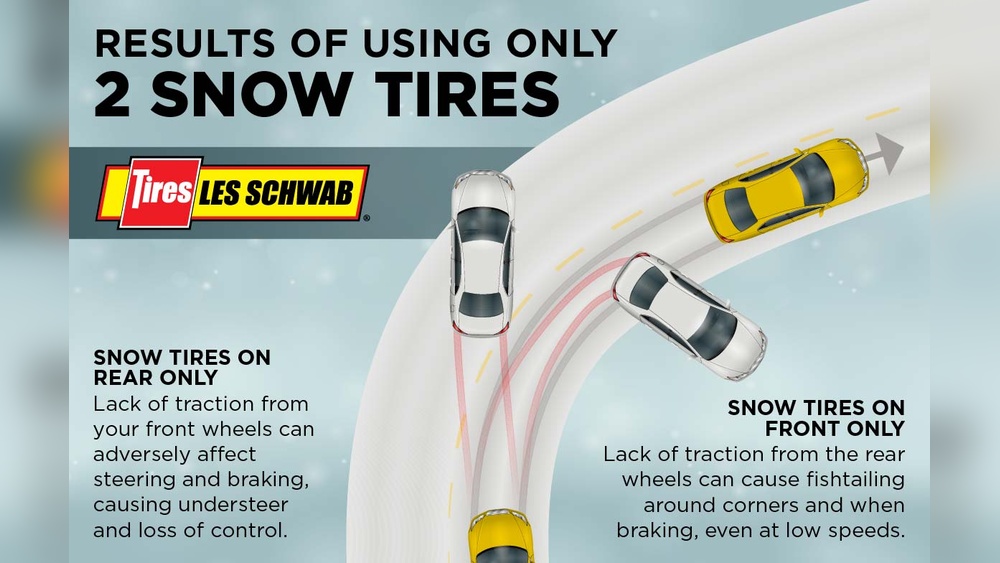
FWD cars may also understeer. This means the car goes straight instead of turning as expected. Drivers need to be careful on sharp turns or slippery corners.

Credit: www.youtube.com
Rear-wheel Drive Essentials
Rear-wheel drive (RWD) cars have their engine power sent to the back wheels. This setup is common in many sports cars and trucks. Understanding how RWD works helps in knowing its strengths and limits in snow.
Snowy roads can be tricky for RWD vehicles. Drivers need to know what to expect. This knowledge aids in safer driving during winter months.
How Rear-wheel Drive Works
In RWD vehicles, the engine sends power to the rear wheels only. The front wheels handle steering. This separates the tasks of moving and turning the car.
This design often gives better balance and control on dry roads. The rear wheels push the car forward while the front wheels guide it.
Benefits In Winter Conditions
RWD can perform well on snow if weight is added over the rear axle. This extra weight improves traction. Trucks often carry heavy loads, which helps in snow.
RWD also offers better handling in deep snow. It allows for more precise control when accelerating out of slippery spots.
Typical Challenges
RWD cars can struggle on icy or packed snow roads. The rear wheels may spin easily without enough grip. This can cause loss of control.
Steering and driving feel different in snow. Sudden moves or too much gas can make the back end slide out. This is called oversteer, and it can be hard to fix for some drivers.
Comparing Traction And Control
Traction and control are key for driving in snow. They affect how well a vehicle moves and stops on slippery roads. Front-wheel drive (FWD) and rear-wheel drive (RWD) offer different advantages and challenges. Understanding these differences helps you choose the right vehicle for snowy conditions.
Starting And Stopping On Snow
FWD cars pull the vehicle forward. This helps the tires grip the road better during starts. It reduces wheel spin on snow. RWD cars push from the back. This can cause the rear wheels to slip easily. Stopping is easier with FWD since the front tires handle more braking force. RWD may slide more during sudden stops.
Handling Slopes And Turns
FWD vehicles tend to understeer on snowy slopes and turns. The front tires lose grip first, making the car go straight. RWD cars often oversteer. The rear wheels can slide out, causing the car to spin. Drivers need careful control with RWD on curves. FWD usually feels more stable but less agile in snow.
Impact Of Tires And Weight Distribution
Tires matter a lot for traction on snow. Winter tires improve grip for both FWD and RWD. Weight over the drive wheels helps control. FWD cars have engine weight on front tires, aiding traction. RWD cars have less weight on rear wheels, which can reduce grip. Adding weight in the trunk improves RWD traction on snow.

Credit: www.youtube.com
Tips For Driving In Snow
Driving in snow can be tricky and risky. Knowing some key tips helps keep you safe and in control. These tips cover the best vehicle setups, smart driving moves, and useful gear to carry.
Snow reduces traction and changes how your vehicle handles. Preparing well makes a big difference in your confidence and safety on snowy roads.
Choosing The Right Vehicle Setup
Front-wheel drive cars pull themselves forward, giving better grip on slippery roads. Rear-wheel drive vehicles can struggle with traction on snow. All-wheel drive is the best for balanced control in snow. Check your tires first. Winter tires improve grip more than all-wheel drive alone. Keep your tires properly inflated. This helps the car stay steady and reduces slipping.
Driving Techniques For Safety
Drive slowly and smoothly. Sudden moves can cause loss of control. Brake gently and early to avoid skidding. Use low gears when going downhill to keep a steady speed. Increase the distance between you and other cars. This gives more time to react on slippery roads. Avoid sharp turns and sudden stops. Look far ahead to plan your moves. This helps you stay calm and in control.
Additional Equipment Recommendations
Carry an emergency kit with blankets, food, and water. Keep a shovel and ice scraper in your car. Snow chains or traction mats help if you get stuck. A small bag of sand or kitty litter adds grip under tires. Make sure your windshield wipers and fluid work well. Clear all snow from your car before driving. Good visibility is key to driving safely in snow.

Credit: www.kenganleykiamentor.com
Frequently Asked Questions
Which Drive Type Handles Snow Better, Fwd Or Rwd?
Front-wheel drive (FWD) usually handles snow better because the engine’s weight is over the drive wheels. This helps with traction and control on slippery roads. Rear-wheel drive (RWD) can struggle since the rear wheels have less weight.
Does Adding Snow Tires Improve Fwd Or Rwd Performance?
Snow tires improve traction on both FWD and RWD cars by providing better grip on ice and snow. They make a big difference, especially for RWD vehicles that may slip more without them. Always use snow tires for safe winter driving.
Is It Harder To Control A Rwd Car In Snow?
Yes, RWD cars can be harder to control in snow because the rear wheels can spin out more easily. Drivers need to be careful with acceleration and steering in slippery conditions. FWD cars are generally easier to manage on snowy roads.
Can Weight Distribution Affect Snow Driving In Fwd And Rwd?
Weight distribution plays a big role in snow driving. FWD cars have more weight on the front wheels, which helps with traction. RWD cars have less weight on the drive wheels, making traction and control more difficult.
Conclusion
Choosing between front-wheel drive and rear-wheel drive in snow depends on your needs. Front-wheel drive offers better traction and control on slippery roads. Rear-wheel drive can be harder to handle but feels more balanced on dry pavement. Tires and driving skills matter more than the drive type.
Good winter tires improve safety significantly. Drive slowly and carefully in snowy conditions. Always prepare your car for winter weather. Stay safe and enjoy the drive, no matter which option you choose.