Can Diesel Engine Oil Be Used in a Gasoline Engine? Expert Insights
Are you wondering if diesel engine oil can be used in your gasoline engine? It’s a question many car owners ask, especially when faced with limited oil options or looking for the best protection for their engine.
While it might seem like a simple swap, using the wrong oil can lead to unexpected problems that affect your engine’s performance and longevity. You’ll discover when diesel oil might work for your gas engine, the risks involved, and how to choose the right oil that keeps your engine running smoothly.
Read on to make sure you’re giving your engine exactly what it needs.

Credit: www.youtube.com
Differences Between Diesel And Gasoline Engine Oils
Diesel and gasoline engines work in different ways. They need oils that match their unique needs. Engine oils for diesel and gasoline engines differ in composition and purpose. These differences affect engine performance and longevity.
Choosing the right oil keeps engines running smoothly. Using the wrong oil can cause problems. Understanding these differences helps you make the best choice for your vehicle.
Viscosity And Additive Packages
Diesel engine oils usually have thicker viscosity. This helps protect diesel engines under heavy loads and high temperatures. Gasoline engine oils tend to be thinner for better fuel economy. Diesel oils contain stronger detergents to clean soot and contaminants. Gasoline oils focus more on preventing deposits from fuel combustion.
Detergent And Dispersant Levels
Diesel oils have higher detergent levels to handle soot buildup. Soot comes from the diesel combustion process. Gasoline oils need fewer detergents because gasoline burns cleaner. Excess detergents in diesel oil may harm gasoline engine parts. This can cause deposits that reduce engine efficiency.
Emission System Compatibility
Gasoline engines often have sensitive emission systems. These systems require oils that burn cleanly and do not clog filters. Diesel oils may contain additives that harm gasoline emission controls. Using diesel oil in a gasoline engine may damage the catalytic converter. Proper oil helps protect emission components and meet regulations.
Api Ratings And Specifications
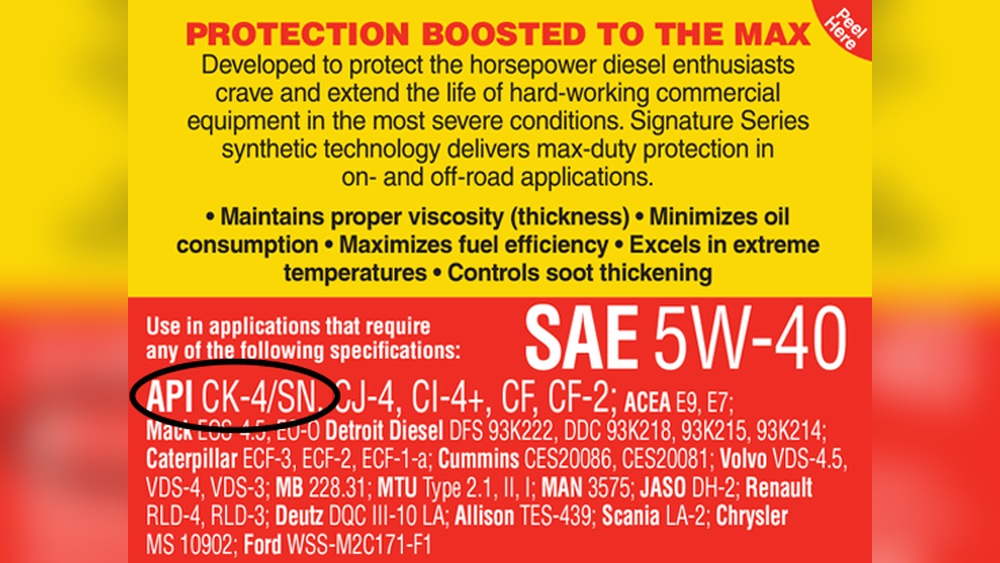
Oils have API ratings that indicate engine type suitability. Diesel oils carry “C” ratings like API CJ-4 or CK-4. Gasoline oils have “S” ratings such as API SN or SP. Some oils are dual-rated for both diesel and gasoline engines. Always check the API rating to ensure oil matches your engine’s needs.

Credit: www.bestlineracing.com
Risks Of Using Diesel Oil In Gasoline Engines
Using diesel engine oil in a gasoline engine carries several risks. These oils have different formulas meant for distinct engine types. Diesel oils handle soot and combustion byproducts that gasoline oils do not. This difference can harm gasoline engines in various ways.
Gasoline engines require oils with additives designed for spark ignition. Diesel oils usually have higher detergent levels. These detergents can cause unwanted chemical reactions in gasoline engines. That can lead to engine damage over time.
Increased Risk Of Low-speed Pre-ignition
Diesel oils often cause low-speed pre-ignition in gasoline engines. This condition happens when the air-fuel mixture ignites too early. It creates knocking sounds and engine stress. Over time, this damages engine components and lowers performance.
Potential Damage To Emission Control Systems
Diesel oils contain additives that can harm emission systems in gasoline engines. These systems rely on clean oil to function properly. Using diesel oil may cause clogged catalytic converters or oxygen sensors. That leads to higher emissions and possible engine failure.
Viscosity And Lubrication Differences
Diesel oils have different viscosity grades compared to gasoline oils. This affects how well the oil flows and lubricates the engine parts. Poor lubrication increases friction and wear. Engine parts may degrade faster, reducing engine life.
Reduced Fuel Efficiency And Engine Performance
Diesel oils are heavier and may cause extra drag inside the engine. This reduces fuel efficiency in gasoline vehicles. The engine may also run rougher and lose power. Using the correct oil helps maintain smooth engine operation.
When Diesel Oil Can Work For Gas Engines
Diesel engine oil is specially made for diesel engines, but it can sometimes be used in gasoline engines. This depends on the oil’s specifications and the engine’s needs.
Using diesel oil in a gas engine is not always harmful. Certain conditions must be met for it to work well without causing damage.
Api Rating And Dual Certification
Look for oils with dual certification. These oils meet both diesel and gasoline engine standards. API ratings like SN for gasoline and CK-4 for diesel show compatibility.
Dual-rated oils balance the needs of both engine types. They have the right additives to protect gasoline engines too.
Matching Viscosity Grade
Viscosity is the oil’s thickness at different temperatures. It must match your engine’s recommended grade. Using the wrong viscosity can cause poor lubrication and engine wear.
Diesel oils with the correct viscosity grade can work in gasoline engines without issues. Always check your owner’s manual for the right grade.
Older Engines And Temporary Use
Older gas engines with simpler designs can handle diesel oil better. They do not rely heavily on modern emission systems.
Diesel oil can serve as a temporary substitute if gasoline oil is unavailable. However, it is best to switch back to gasoline oil soon.
How To Choose The Right Oil For Your Engine
Choosing the right oil for your engine is important. The oil keeps the engine parts moving smoothly. It also protects against wear and heat. Using the wrong oil can cause damage and reduce engine life. Knowing how to pick the correct oil helps your engine run better and last longer.
Check Your Vehicle’s Manual
The owner’s manual is the best source for oil information. It tells you the oil type and viscosity needed. Follow these guidelines for the best engine performance. Manuals also warn about oils that may harm your engine.
Understand Oil Viscosity
Viscosity means how thick or thin the oil is. It is shown as numbers like 5W-30. The first number relates to cold temperature flow. The second number shows thickness at operating temperature. Choose the viscosity that fits your climate and engine type.
Look For Certification Labels
Oils carry certifications from organizations like API or ACEA. These labels show the oil meets certain quality standards. Look for oils marked with your engine’s required specs. For gasoline engines, use oils labeled for gasoline use, not just diesel.
Consider Engine Type And Conditions
Engines have different needs based on design and use. High-performance or older engines may need special oils. Also, harsh driving or extreme weather calls for specific oil features. Match the oil to your engine’s demands for better protection.
Avoid Using Diesel Oil In Gasoline Engines
Diesel engine oils have additives designed for diesel combustion. These can cause problems in gasoline engines, like deposits or pre-ignition. Use oils made specifically for gasoline engines to avoid damage and maintain emission controls.
Expert Tips For Maintaining Engine Health
Maintaining engine health requires smart care and attention. Using the right oil is just one part of the process. Regular maintenance helps your engine run smoothly and last longer.
Engines are complex machines. They need clean oil, proper filters, and timely checks. Neglecting small tasks can lead to costly repairs.
Use The Correct Oil Type
Always choose oil that matches your engine’s requirements. Diesel engine oil differs from gasoline oil in additives and thickness. Using the wrong oil can cause buildup and harm engine parts.
Change Oil Regularly
Old oil loses its ability to protect your engine. Change oil according to the vehicle manual. Fresh oil keeps engine parts lubricated and cool.
Check Oil Levels Often
Low oil levels can cause engine damage fast. Check your oil at least once a month. Top off if needed to avoid wear and tear.
Replace Oil Filters On Time
Filters trap dirt and debris. A clogged filter reduces oil flow and engine protection. Change filters during each oil change for best results.
Watch For Engine Warning Signs
Strange noises, smoke, or warning lights signal problems. Address issues quickly to prevent major damage. Regular inspections help catch problems early.

Credit: blog.amsoil.com
Frequently Asked Questions
What Happens When You Put Diesel Engine Oil In A Gas Engine?
Using diesel engine oil in a gas engine can cause engine damage due to high detergent levels and additives. It risks low-speed pre-ignition and harms emission systems. Only use diesel oil if it’s dual-rated for gasoline engines and matches your vehicle’s viscosity and API requirements.
Can I Use 10w30 Diesel Oil In A Gas Engine?
You can use 10w30 diesel oil in a gas engine only if it meets both diesel and gasoline API ratings. Diesel oil may harm modern gas engines by damaging catalytic converters and causing pre-ignition. Always follow your vehicle’s manual for the recommended oil type and viscosity.
Can You Use 15w-40 Diesel Oil In A Gas Engine?
You can use 15W-40 diesel oil in a gas engine only if it meets both diesel and gasoline API ratings. Diesel oils may harm modern gas engines due to additives causing pre-ignition and catalytic converter damage. Always follow your vehicle’s manual for the correct oil type and viscosity.
How Long Will Diesel Engine Oil Damage A Petrol Engine?
Diesel engine oil can damage a petrol engine over time due to high zinc and detergent levels. Damage may appear within a few thousand miles, especially in modern engines. Use only dual-rated oils matching your engine’s specifications to avoid harm and ensure proper performance.
Conclusion
Using diesel engine oil in a gasoline engine is not always safe. Some diesel oils meet both diesel and gasoline standards. These dual-rated oils can work if they match your engine’s needs. Still, most gasoline engines perform best with oils made for them.
Diesel oils often have additives that harm gasoline engine parts. Over time, this can reduce engine life and increase pollution. Choose the right oil to keep your engine running smoothly. Protect your vehicle by following the manufacturer’s oil recommendations. Stay safe and avoid costly repairs.