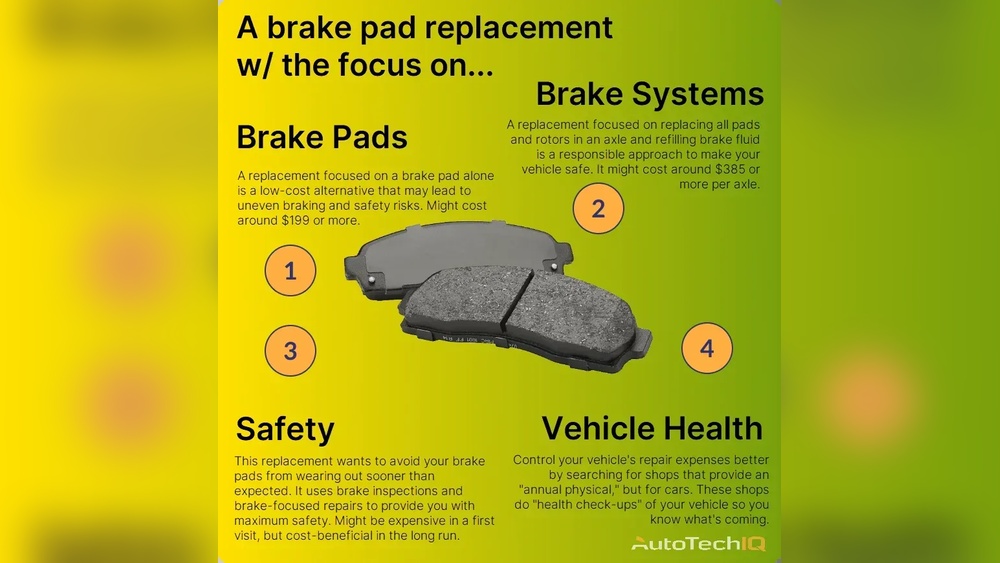
How Much Does It Cost to Change Brakes And Rotors? Price Guide
If your car’s brakes feel weak or you hear grinding noises, it’s time to think about changing your brakes and rotors. This job is important for safety, but many drivers worry about the cost. The price can vary a lot, depending on your car, where you live, and if you use a mechanic or do it yourself. Knowing how much to expect can help you plan, avoid surprises, and even save money. This article breaks down every cost factor, compares options, and gives tips to help you make smart decisions.
What Are Brakes And Rotors?
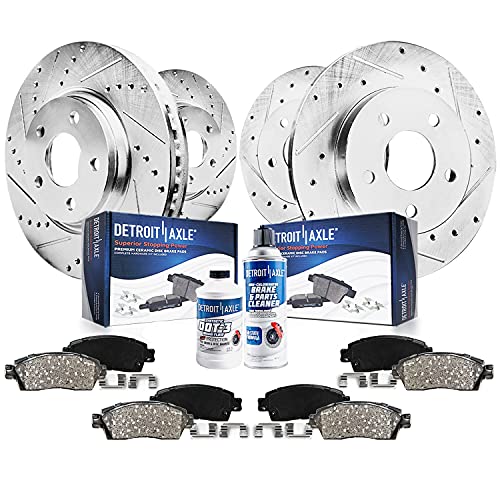
Brakes are the system that stops your car. Most cars use disc brakes, which include brake pads and rotors. The brake pads squeeze against the rotors (the round metal discs) to slow the wheels. Over time, both parts wear out and need replacing.
Most cars have disc brakes on the front wheels, and many newer cars have them on all four wheels. If you ignore worn brakes or rotors, you risk bad stopping power, longer braking distances, and expensive repairs later.
Typical Cost To Change Brakes And Rotors
Prices depend on your car’s make, model, and location. Here is a rough guide for a standard sedan:
- Brake pads only (per axle): $100–$300 (front or rear)
- Rotors only (per axle): $150–$350
- Brake pads + rotors (per axle): $250–$600
Luxury, sports, or heavy vehicles (like SUVs or trucks) usually cost more. If you change both front and rear brakes and rotors, expect to pay double.
Sample Price Comparison
Here’s a simple table showing price ranges for common cars:
| Car Model | Pads & Rotors (Front) | Pads & Rotors (Rear) |
|---|---|---|
| Toyota Camry | $300–$500 | $250–$450 |
| Honda Accord | $320–$520 | $280–$480 |
| Ford F-150 | $400–$700 | $350–$600 |
| BMW 3 Series | $550–$900 | $500–$850 |
What Affects The Price?
Several things can make the job cheaper or more expensive:
1. Type Of Brake Parts
- Standard (OEM) parts: Made by your car’s manufacturer. Reliable, but often pricier.
- Aftermarket parts: Made by other companies. Can be cheaper, but quality varies.
- Performance parts: Designed for sports cars or heavy-duty use. Most expensive.
2. Labor Costs
Mechanics charge for their time. Labor rates are usually $80–$150 per hour in the US. Changing both pads and rotors typically takes 1–2 hours per axle.
3. Your Location
Big cities tend to charge more than rural areas. For example, shops in New York or Los Angeles are often pricier than small towns.
4. Shop Type
- Dealerships: Usually the highest prices, but offer original parts and warranties.
- Independent shops: Often cheaper, with more flexible options.
- Chain stores: Mid-range prices, sometimes offer coupons or deals.
5. Extra Services
Some shops include brake fluid changes, cleaning, or inspections. Others charge extra. Ask for details before agreeing to the job.
Diy Vs. Professional Replacement
If you have tools and some skill, you can change brakes and rotors yourself. This saves labor costs, but there are risks.
Professional Service
- Pros: Quick, reliable, warranty, no hassle.
- Cons: Expensive, less control over parts used.
Diy Replacement
- Pros: Big savings (labor costs), choose your own parts, personal satisfaction.
- Cons: Risk of mistakes, need tools and space, no warranty.
Diy Cost Breakdown
Let’s compare the costs for a simple sedan:
| Item | DIY Cost (Front Axle) | Professional Cost (Front Axle) |
|---|---|---|
| Brake Pads | $40–$80 | Included |
| Rotors | $60–$120 | Included |
| Tools | $0–$100 (if needed) | Included |
| Labor | $0 | $100–$200 |
| Total | $100–$300 | $250–$600 |
As you see, DIY can save up to 50%. But mistakes can lead to unsafe driving or extra costs.

Credit: www.reddit.com
How Often Should You Change Brakes And Rotors?
There’s no fixed number, but most brake pads last 30,000–70,000 miles. Rotors can last longer, but often need replacing after 50,000–70,000 miles or if they are damaged.
Some driving habits wear brakes faster:
- Heavy city driving
- Towing or carrying heavy loads
- Frequent hard stops
Check your owner’s manual for advice. Always listen for squealing, grinding, or a soft brake pedal.
Signs You Need New Brakes Or Rotors
Ignoring bad brakes is dangerous. Here are warning signs:
- Squealing or grinding noises
- Vibration when braking
- Longer stopping distances
- Brake warning light
- Visible wear on pads or rotors
If you notice these, get your brakes checked soon.
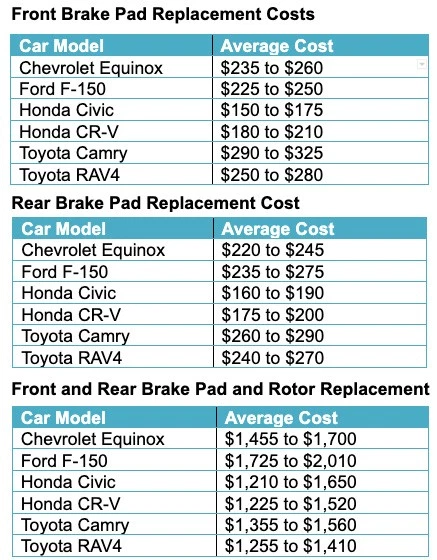
Credit: www.ebay.com
Hidden Costs And Common Mistakes
Changing brakes and rotors can cost more than you expect. Here are some extra charges:
- Caliper replacement: If calipers are stuck or damaged, add $150–$300 per wheel.
- Brake fluid flush: $70–$120, sometimes recommended with new brakes.
- Hardware kits: $20–$50, for new clips or pins.
- Shop fees: Some places add environmental or disposal charges ($10–$30).
Many beginners forget to budget for these. Also, some shops push unnecessary repairs. Always ask for a clear quote and explanation.
Comparing Popular Brake Brands
Not all parts are equal. Here’s a basic comparison of common brands:
| Brand | Price (Pads & Rotors Set) | Known For |
|---|---|---|
| OEM (Toyota, Honda, etc.) | $250–$400 | Reliable, matches original |
| Brembo | $350–$600 | Performance, high quality |
| Wagner | $180–$320 | Affordable, good quality |
| PowerStop | $200–$350 | Heavy-duty, good value |
| Raybestos | $170–$300 | Budget, decent quality |
Look for brands with good reviews and warranties. Cheap parts may save money now but wear out faster.
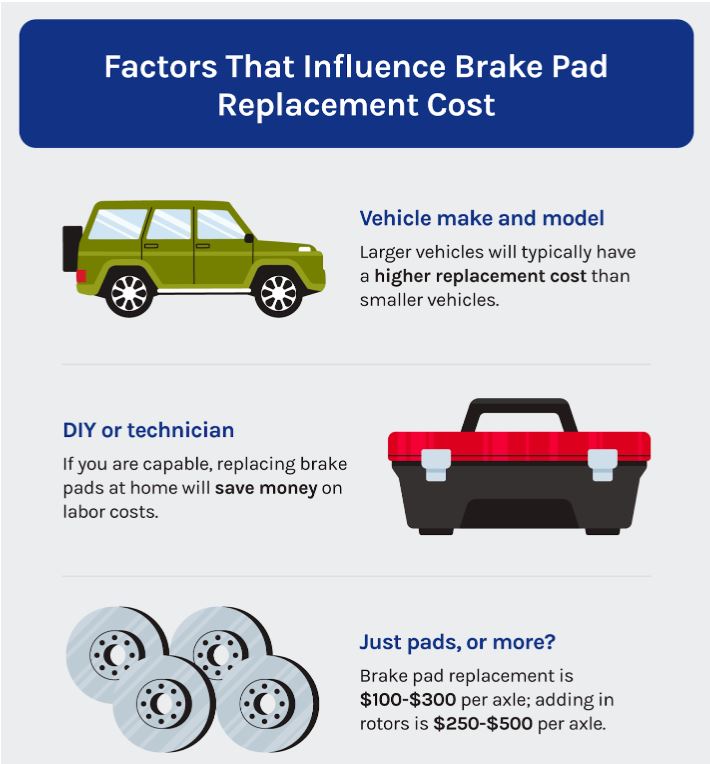
Credit: www.aaa.com
How To Save Money On Brake And Rotor Replacement
Smart planning can lower costs:
- Get multiple quotes: Compare prices from local shops and chain stores.
- Ask about warranties: Some shops offer free replacements if parts fail early.
- Look for coupons: Chain stores often post deals online.
- Buy parts yourself: Shops sometimes mark up parts; bring your own to save.
- Avoid unnecessary extras: Don’t pay for services you don’t need.
One non-obvious tip: Some shops offer free brake inspections. Use these to get a second opinion before agreeing to repairs.
Real-world Example: Changing Brakes And Rotors In 2026
Let’s say you own a Honda Accord. You notice squealing brakes. You call three shops:
- Shop A: $520 for front pads and rotors, includes labor and warranty.
- Shop B: $420, but warranty only covers parts.
- Shop C: $350, labor only, must buy parts yourself ($120).
You check online and find a Wagner set for $110. You choose Shop C, buy parts, and pay $470 total. You save $50–$150 compared to other shops.
This example shows how comparing options and buying parts can reduce costs.
Professional Vs Aftermarket Parts: Which Should You Choose?
OEM parts are made for your exact car, but aftermarket parts can be just as good—sometimes better for performance or price. The best choice depends on your needs.
- OEM: Best if you want original quality and warranty.
- Aftermarket: Ideal for saving money or upgrading.
Always check compatibility. Some aftermarket rotors don’t fit certain vehicles. Read reviews and ask your mechanic for advice.
Is It Worth Paying More For Premium Brakes?
Premium parts cost more but sometimes last longer or perform better. If you drive hard, tow, or live in mountain areas, high-quality brakes make sense.
For standard city driving, mid-range parts work well. Spending extra just for a brand name isn’t always needed. Focus on quality, not marketing.
Safety And Value: Don’t Cut Corners
Brakes are not a place to gamble. Cheap, poorly made parts can fail. Always choose trusted brands, and make sure the job is done right.
A non-obvious insight: Many accidents are caused by bad brakes, not just driver error. Investing in safe, reliable parts pays off in the long run.
Where To Find Reliable Pricing Information
For up-to-date data, visit trusted sites like Consumer Reports. You’ll find average costs, reviews, and tips.
Frequently Asked Questions
How Long Does It Take To Change Brakes And Rotors?
Most shops need 1–2 hours per axle. DIY jobs can take longer, especially for beginners. Always allow extra time if you’re new to the process.
Can I Drive With Worn Brakes Or Rotors?
It’s dangerous. Worn brakes make stopping harder. Worn rotors can cause shaking and damage other parts. Replace them as soon as possible.
Should I Change Pads And Rotors Together?
If rotors are worn, grooved, or damaged, change both. If rotors look good and are smooth, you can sometimes change pads only. But new pads on old rotors may wear faster.
How Much Does A Full Brake Job Cost For An Suv?
SUVs are heavier, so parts and labor cost more. A typical full brake job (pads + rotors, front and rear) is $600–$1,200. Luxury SUVs can cost even more.
Are Ceramic Brake Pads Worth The Extra Cost?
Ceramic pads last longer, make less dust, and stay quiet. They cost more, but many drivers prefer them for city driving. For heavy towing, semi-metallic pads are better.
Changing brakes and rotors keeps your car safe and reliable. Understanding the costs and options helps you make smart decisions, avoid overspending, and stay safe on the road. Don’t be afraid to ask questions and compare prices—your safety is always worth the effort.