Why is My Car Still Overheating After Changing Thermostat? Expert Tips
Is your car still overheating even after you’ve changed the thermostat? That’s frustrating, and you’re probably wondering why the problem isn’t going away.
You did what you thought was the right fix, but your engine temperature is still rising. Understanding why your car keeps overheating can save you time, money, and a lot of stress. You’ll discover the common reasons behind persistent overheating and what steps you can take to finally solve the issue.
Keep reading—your car’s health depends on it.

Credit: www.youtube.com
Common Causes Of Persistent Overheating
Persistent overheating after changing the thermostat can be frustrating. The thermostat is important, but other parts may cause the problem too. Understanding common reasons helps find the right fix. This section explains key issues that keep cars overheating.
Coolant Issues
Coolant keeps the engine temperature steady. Low coolant levels cause poor heat transfer. Air pockets in the coolant system block flow. Old or dirty coolant loses its cooling power. Check coolant level and quality often. Bleed the system to remove trapped air.
Radiator Problems
The radiator cools hot coolant from the engine. Clogged or damaged radiator fins reduce airflow. Leaks cause coolant loss and overheating. A blocked radiator core stops coolant circulation. Regular radiator cleaning and inspection prevent issues.
Water Pump Failures
The water pump moves coolant through the engine. A faulty pump means poor coolant flow. Worn seals or broken impellers reduce pump efficiency. Pump leaks cause coolant loss and engine heat. Replace a failing water pump to stop overheating.
Signs Of A Faulty Thermostat Replacement
Replacing a thermostat should stop your car from overheating. Sometimes, the problem stays. Signs of a faulty thermostat replacement can help you spot the issue early. Watch for these warning signs to avoid engine damage and costly repairs.
Incorrect Installation
Thermostats must fit perfectly. A wrong fit causes leaks or poor temperature control. If the thermostat is upside down or loose, it won’t work right. Watch for coolant leaks or temperature spikes. These problems hint at poor installation.
Defective Thermostat
New parts can be faulty too. A defective thermostat may stick closed or open. This stops coolant from flowing properly. Your engine may still overheat or stay too cool. Test the thermostat or replace it again if overheating continues.
Compatibility Concerns
Not all thermostats fit every car. Using the wrong type affects engine cooling. A thermostat with the wrong temperature rating causes overheating. Always check the part matches your car’s make and model. This avoids cooling system failures.
Cooling System Components To Inspect
After changing the thermostat, your car may still overheat. The thermostat is only one part of the cooling system. Other parts could cause the problem. Checking these parts can help find the cause of overheating. Below are key components to inspect in the cooling system.
Radiator Hoses
Radiator hoses carry coolant between the engine and radiator. Look for cracks, leaks, or swelling on the hoses. Old or damaged hoses can block coolant flow. This blockage causes the engine to get too hot. Make sure the hoses are tight and not loose. Replace any hose that looks worn out.
Cooling Fans
Cooling fans help cool the radiator by blowing air. Fans turn on when the engine temperature rises. Check if the fan runs when the engine is hot. A broken fan motor or bad fan switch can stop the fan. Without a working fan, the engine can overheat quickly. Repair or replace faulty fan parts to keep your engine cool.
Heater Core
The heater core is like a small radiator inside the car. It helps remove heat from the engine coolant. If the heater core is clogged, coolant cannot flow well. This causes the engine temperature to rise. Signs of a bad heater core include no heat inside the car or coolant leaks. Cleaning or replacing the heater core may fix the overheating issue.
Credit: motorist.org
How To Diagnose Overheating Problems
Diagnosing car overheating problems requires careful checks. Changing the thermostat is not always the fix. Other issues might cause the engine to heat up too much. Knowing how to spot these problems saves time and money. Basic tests can reveal the true cause of overheating.
Pressure Testing
Pressure testing checks the cooling system’s tightness. A special tool adds pressure to the radiator. Look for drops in pressure that show leaks. Even small leaks can cause overheating. This test helps find cracks or holes in hoses and radiator.
Temperature Monitoring
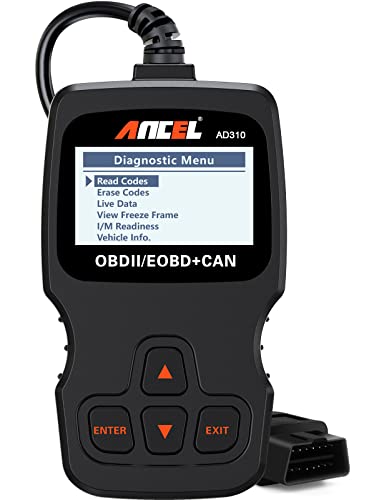
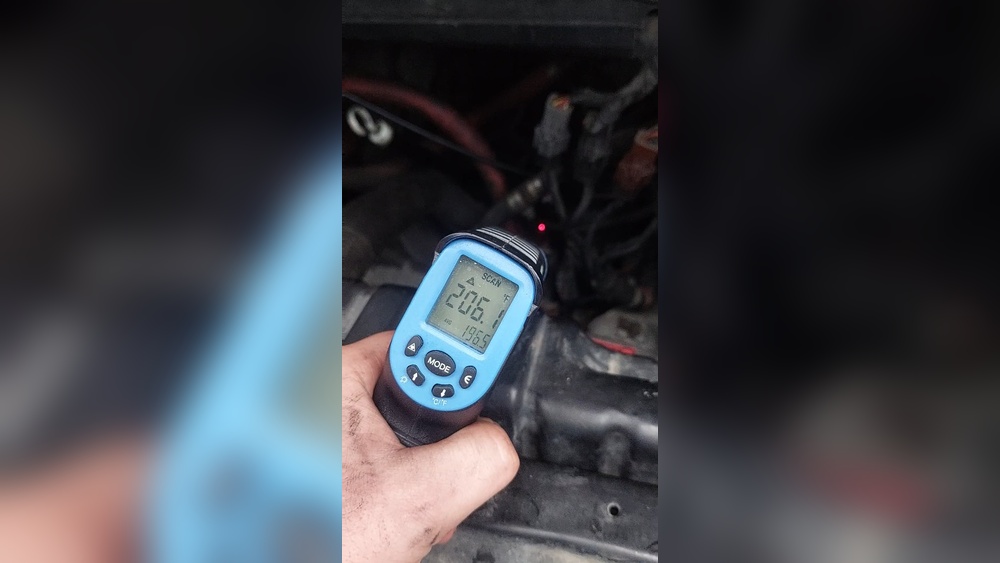
Temperature monitoring shows how hot the engine gets. Use a thermometer or scan tool to read engine temperature. Watch for sudden spikes or constant high heat. This can mean a stuck thermostat or failing water pump. Consistent data helps pinpoint overheating causes.
Leak Detection
Leaks let coolant escape, causing overheating. Check under the car for puddles or wet spots. Look around the radiator, hoses, and water pump. Use a UV dye in the coolant to spot hard-to-see leaks. Fixing leaks restores proper cooling.
Expert Maintenance Tips To Prevent Overheating
Overheating problems can persist even after changing the thermostat. Proper maintenance helps keep your car’s cooling system working well. Experts suggest some key steps that prevent overheating and protect your engine.
Following these tips can save costly repairs and keep your car running smoothly.
Regular Coolant Flushes
Coolant loses its effectiveness over time. Old coolant can cause blockages and reduce cooling power. Flushing the coolant system regularly clears out dirt and rust. This helps maintain proper engine temperature and prevents overheating.
System Cleanliness
Dirt, debris, and sludge can build up inside the cooling system. These contaminants block coolant flow and trap heat. Keeping the radiator and hoses clean ensures smooth coolant circulation. A clean system improves heat transfer and reduces overheating risk.
Timely Component Replacements
Worn-out parts like water pumps or radiator caps cause overheating. These parts fail to keep coolant moving or maintain pressure. Replacing old components on time keeps the system efficient. Regular checks help spot failing parts before damage occurs.

Credit: www.youtube.com
Frequently Asked Questions
Why Does My Car Still Overheat After Thermostat Replacement?
A faulty thermostat is not always the cause of overheating. Other issues like coolant leaks or radiator problems may be the reason. Check the entire cooling system for damage or blockages.
Can A Bad Water Pump Cause Overheating After Changing Thermostat?
Yes, a broken water pump can stop coolant from circulating properly. This leads to engine overheating even with a new thermostat. Inspect and replace the water pump if needed.
Could A Clogged Radiator Cause Overheating Despite A New Thermostat?
A clogged radiator blocks coolant flow, causing the engine to overheat. Flushing or replacing the radiator may solve the problem. Regular maintenance helps prevent clogs and overheating.
How Does Low Coolant Level Affect Overheating After Thermostat Change?
Low coolant means less heat is removed from the engine. This causes the car to overheat even if the thermostat works fine. Always keep coolant at the proper level.
Conclusion
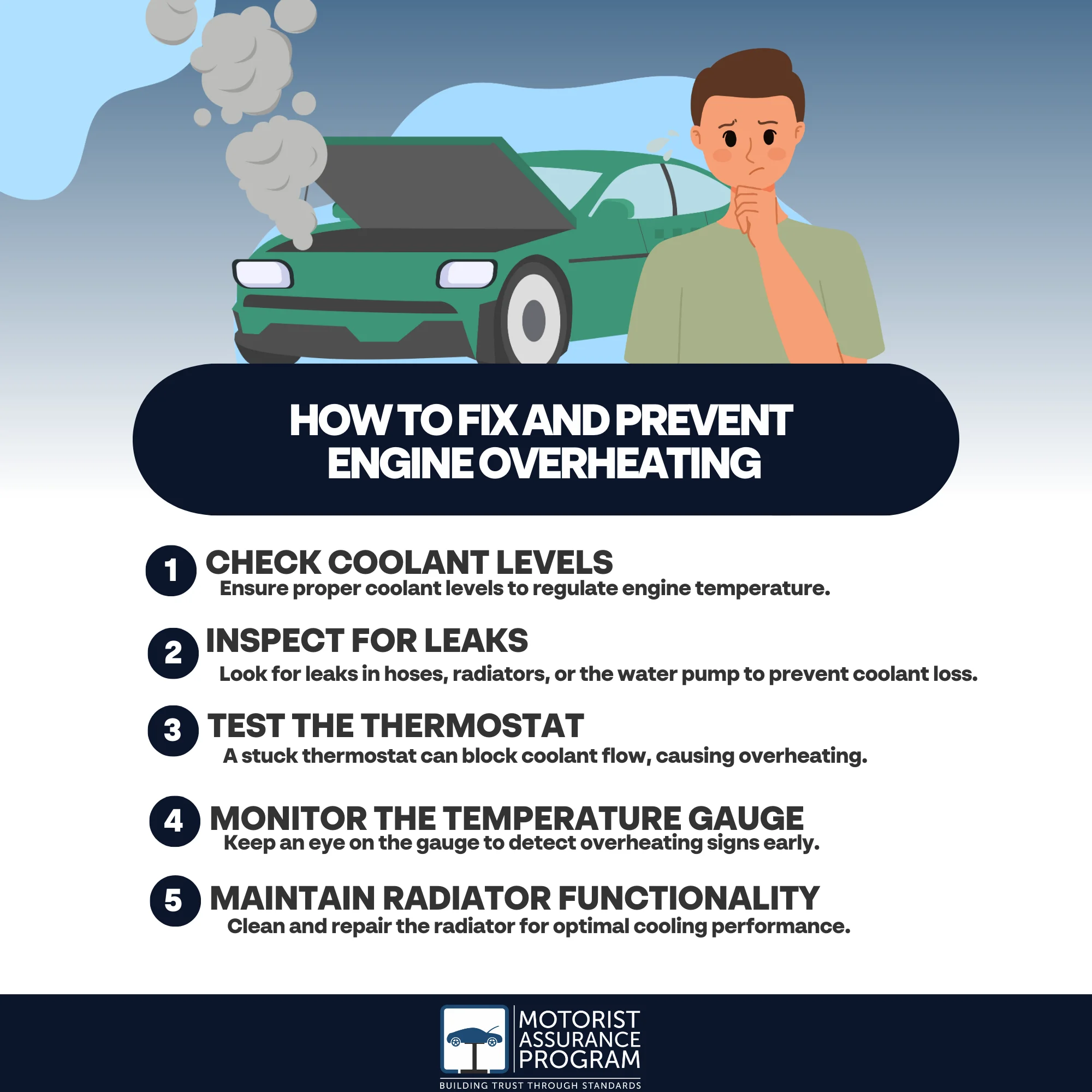
Car overheating after changing the thermostat can be frustrating. Other parts may cause the problem, like the radiator or water pump. Check the coolant level and hoses for leaks or blockages. Sometimes air pockets in the system stop proper cooling.
Keep an eye on the temperature gauge while driving. Getting a professional mechanic to inspect your car helps find hidden issues. Fixing overheating early protects your engine from damage. Stay patient and keep troubleshooting for a safe drive.