Can a Vehicle Pass Inspection With Check Engine Light on? Find Out Now
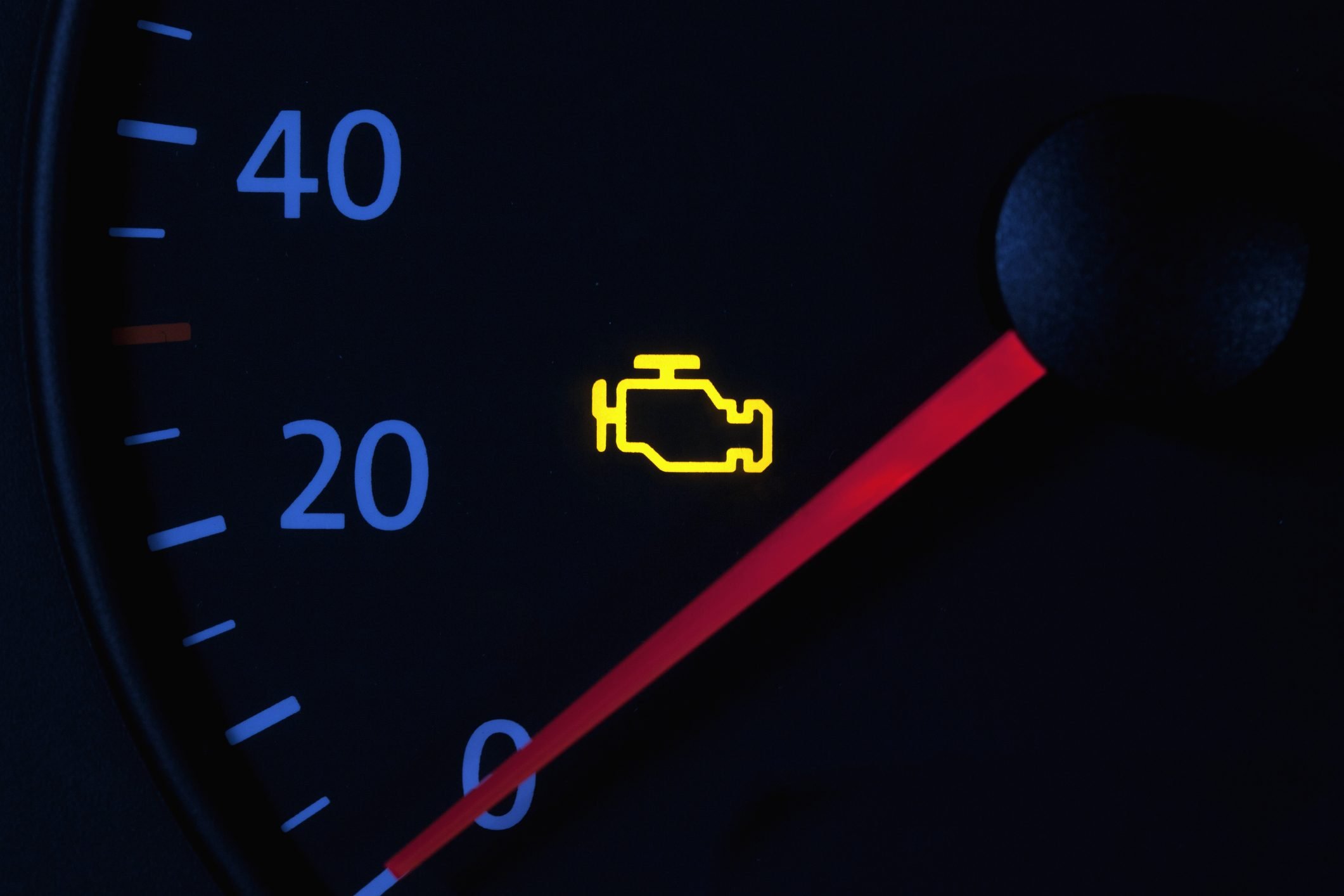
You notice that check engine light glowing on your dashboard, and a question pops up: Can your vehicle still pass inspection with that light on? This is a common worry, and the answer isn’t always simple.
Your car’s inspection could be at risk, but knowing what that light really means can help you avoid surprises. Keep reading to find out how the check engine light affects your inspection and what steps you should take next. Don’t let a little warning light turn into a big problem!
Credit: www.familyhandyman.com
Check Engine Light Basics
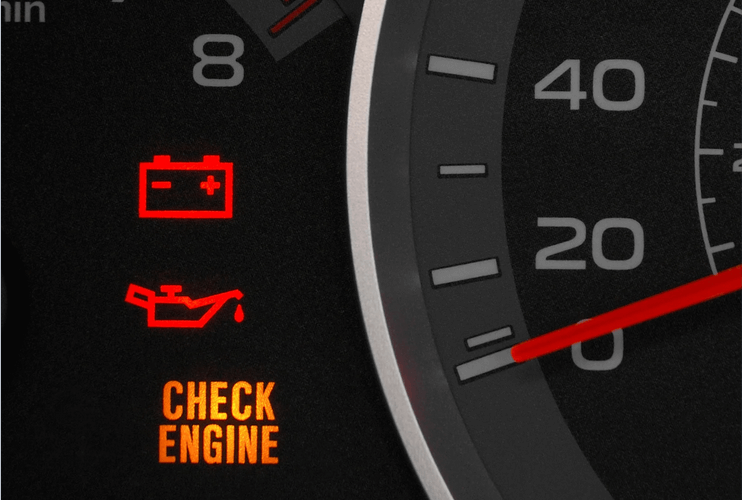
The check engine light is a key part of your car’s dashboard. It alerts you about problems in your vehicle’s engine or emissions system. Understanding this light can help you decide if your car needs repair before passing inspection.
The light can come on for many reasons. Some are minor, and others are serious. Knowing the basics helps you stay safe and avoid costly repairs.
What Triggers The Light
The check engine light turns on when the car’s computer detects an issue. It could be a loose gas cap, a faulty sensor, or something more serious. The car’s onboard diagnostic system runs checks and signals the light if a problem is found.
Sometimes the light flashes, which means a severe engine problem. A steady light usually signals a less urgent issue. It is best to have the car checked quickly to avoid bigger troubles.
Common Engine Issues
Many engine problems cause the check engine light to appear. Faulty oxygen sensors, bad spark plugs, or a failing catalytic converter are common causes. Problems with the mass airflow sensor or vacuum leaks also trigger the light.
Simple issues like a loose gas cap can cause the light too. Ignoring these warnings can lead to poor fuel economy, higher emissions, or engine damage. Regular maintenance helps keep these problems away.
Inspection Standards And Regulations
Inspection standards and regulations vary by state but share common goals. They focus on safety and environmental impact. These rules guide if a vehicle with a check engine light can pass inspection. Understanding these standards helps drivers prepare their cars properly.
Emission Test Criteria
Emission tests check if a vehicle pollutes too much. A check engine light often means the engine has a problem. Many states fail cars with a check engine light during emission tests. The light signals that the emissions system may not work right. Passing requires the car to meet pollution limits. The test measures gases like carbon monoxide and nitrogen oxides. If the car fails, repairs must fix the cause of the light.
Safety Inspection Requirements
Safety inspections focus on brakes, lights, tires, and other parts. The check engine light usually does not affect safety tests. Inspectors look for visible and mechanical problems that risk driver safety. Problems like broken lights or worn brakes fail the inspection. The car must meet all safety rules to pass. The check engine light alone rarely causes a safety fail.
Impact Of Check Engine Light On Inspection
The check engine light is a key factor during vehicle inspections. It shows if the car’s computer detects a problem. Inspectors use this light to decide if the vehicle meets safety and emission rules.
A lit check engine light can mean many things. Some issues are small, but others affect car safety or air pollution. This affects whether the car can pass the inspection or not.
When It Causes Automatic Failure
The check engine light causes automatic failure when it signals serious issues. Problems like bad catalytic converters or loose gas caps can trigger it. These issues raise pollution levels beyond allowed limits.
Cars with active trouble codes linked to emissions often fail. The light must be off for the vehicle to pass emission tests. Inspectors want to see no warning lights on the dashboard.
Exceptions And Special Cases
Some states or inspection centers allow passing with the light on. This depends on the problem’s nature and local rules. Minor or non-emission issues may not cause failure.
Newer cars sometimes show the light briefly after repairs. Inspectors may still pass these vehicles after verifying repairs. A recent reset of the light can also lead to exceptions.
Always check local inspection rules. They explain when the check engine light affects the pass or fail.
Credit: www.chapelhilltire.com
Steps To Take Before Inspection
Preparing your vehicle for inspection is important, especially if the check engine light is on. Taking the right steps can save time and avoid failing the test. Simple actions can make a big difference in passing the inspection.
Start by understanding what causes the check engine light to come on. Knowing the problem helps you decide the best way to fix it. Some issues are easy to solve. Others might need professional help.
Diagnosing The Issue
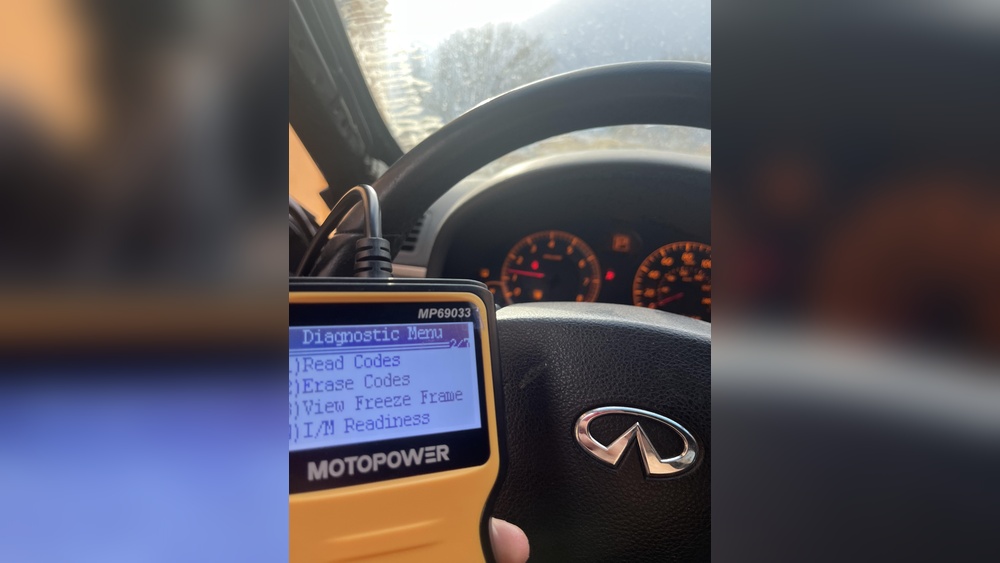
Use an OBD-II scanner to read the error codes from your vehicle. This tool connects to your car’s computer and shows the problem. Many auto parts stores offer free scanning services. Knowing the exact issue helps you focus on the repair. Fixing the right problem is key to turning off the check engine light.
Clearing The Check Engine Light
Once you fix the issue, clear the check engine light. Use the scanner to reset the codes. Some cars need to be driven for a few days before the light stays off. If the light returns, the problem is not fully fixed. Avoid rushing to inspection without clearing the light. A clean dashboard improves your chance to pass.
Tips For Passing Inspection With Issues
Passing a vehicle inspection with a check engine light on can be challenging. Some issues may stop your car from passing. Knowing how to handle these problems helps increase your chances. Simple steps and smart choices make a big difference.
Focus on keeping your car in good shape. Choose repair shops that understand inspection rules. These tips help you prepare your vehicle better before the test day.
Preventive Maintenance
Regular car care avoids many inspection problems. Change oil and filters on time. Check tires and brakes often. Keep fluids at proper levels. Clean or replace air filters. These small actions keep your engine healthy.
Check for loose gas caps. A loose cap can cause the check engine light. Fixing it may turn the light off quickly. Preventive maintenance lowers the chance of engine faults. It also keeps your car running smooth.
Choosing The Right Repair Shop
Pick a repair shop that knows local inspection laws. Experienced mechanics spot issues that cause failures. Ask for shops with good reviews and fair prices. Clear communication helps you understand needed repairs. A reliable shop saves time and money.
Choose a place that offers a diagnostic scan. This helps find the exact cause of the check engine light. Early detection of problems means easier fixes. Avoid shops that rush or give unclear advice. Trustworthy shops help you pass inspection faster.

Credit: girlingtongarage.com
Frequently Asked Questions
Can A Car Pass Inspection With The Check Engine Light On?
Most states fail vehicles with the check engine light on during inspection. The light signals a problem that needs fixing. Passing without repairs is rare.
Why Does The Check Engine Light Affect Vehicle Inspection?
The check engine light shows emissions or engine issues. Inspectors check this to ensure your car meets safety and pollution rules. A lit light usually means failure.
Can Minor Engine Issues Allow Passing Inspection?
Minor issues might not always cause failure if they don’t affect emissions. But the check engine light being on often leads to automatic failure. It’s safer to fix it first.
How To Clear The Check Engine Light Before Inspection?
Fix the problem triggering the light and use a scanner to reset it. Driving for some miles can help the system reset itself. But don’t ignore the issue just to pass.
Conclusion
A check engine light often means your car needs attention. Some inspections may allow a vehicle to pass despite the light. But ignoring it can lead to bigger problems later. Fixing the issue helps your car run better and stay safe.
Always check local rules about inspections and engine lights. Staying on top of car care saves money and stress. Don’t wait—address the check engine light soon. Your vehicle and safety depend on it.