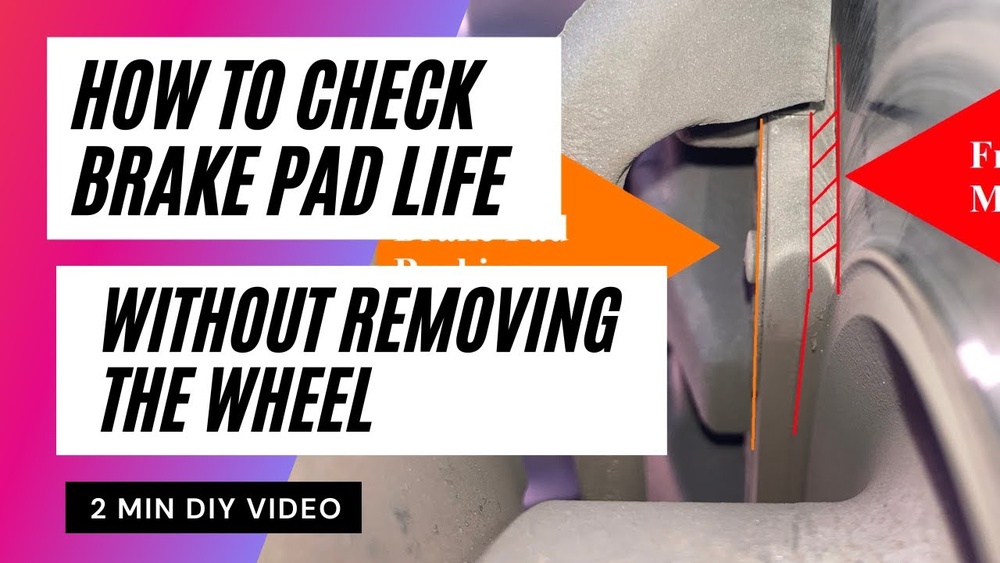
How to Check Brake Pad Thickness Without Removing Wheel: Quick Guide
Are you worried about your car’s brakes but don’t want to go through the hassle of removing the wheels? Checking your brake pad thickness is crucial for your safety, and luckily, you don’t always need to take off the wheel to do it.
You’ll discover simple, effective ways to inspect your brake pads quickly and accurately. Keep reading to learn how to protect yourself on the road with easy brake checks you can do right now.
Tools Needed
Checking brake pad thickness without removing the wheel is easy with the right tools. These simple tools help you see the brake pad’s condition quickly. You do not need special skills or heavy equipment. Just a few items found in most toolboxes will do the job.
Each tool serves a specific purpose. Some help you measure the pad thickness. Others allow you to see inside the wheel area better. Using these tools makes the process safe and accurate.
Flashlight
A bright flashlight helps you see through the small gaps around the wheel. It shines light on the brake pads and calipers. This makes it easier to check the pad thickness without removing the wheel.
Brake Pad Gauge
A brake pad gauge measures the thickness of the brake pad precisely. It is a small, simple tool with marked measurements. This tool tells you if the pad is still safe or needs replacement.
Tire Tread Depth Gauge
A tire tread depth gauge can also check brake pad thickness. It fits into tight spaces and shows how much pad material remains. This tool is handy if you do not have a brake pad gauge.
Mirror On Extendable Stick
A small mirror on a stick helps you see behind the wheel. It reflects the brake pads and calipers from different angles. This tool is useful for hard-to-see areas.
Protective Gloves
Wear protective gloves to keep your hands clean and safe. Gloves protect you from dirt, dust, and sharp parts. They also improve your grip on tools during inspection.
Credit: www.f150forum.com
Locate The Brake Pads
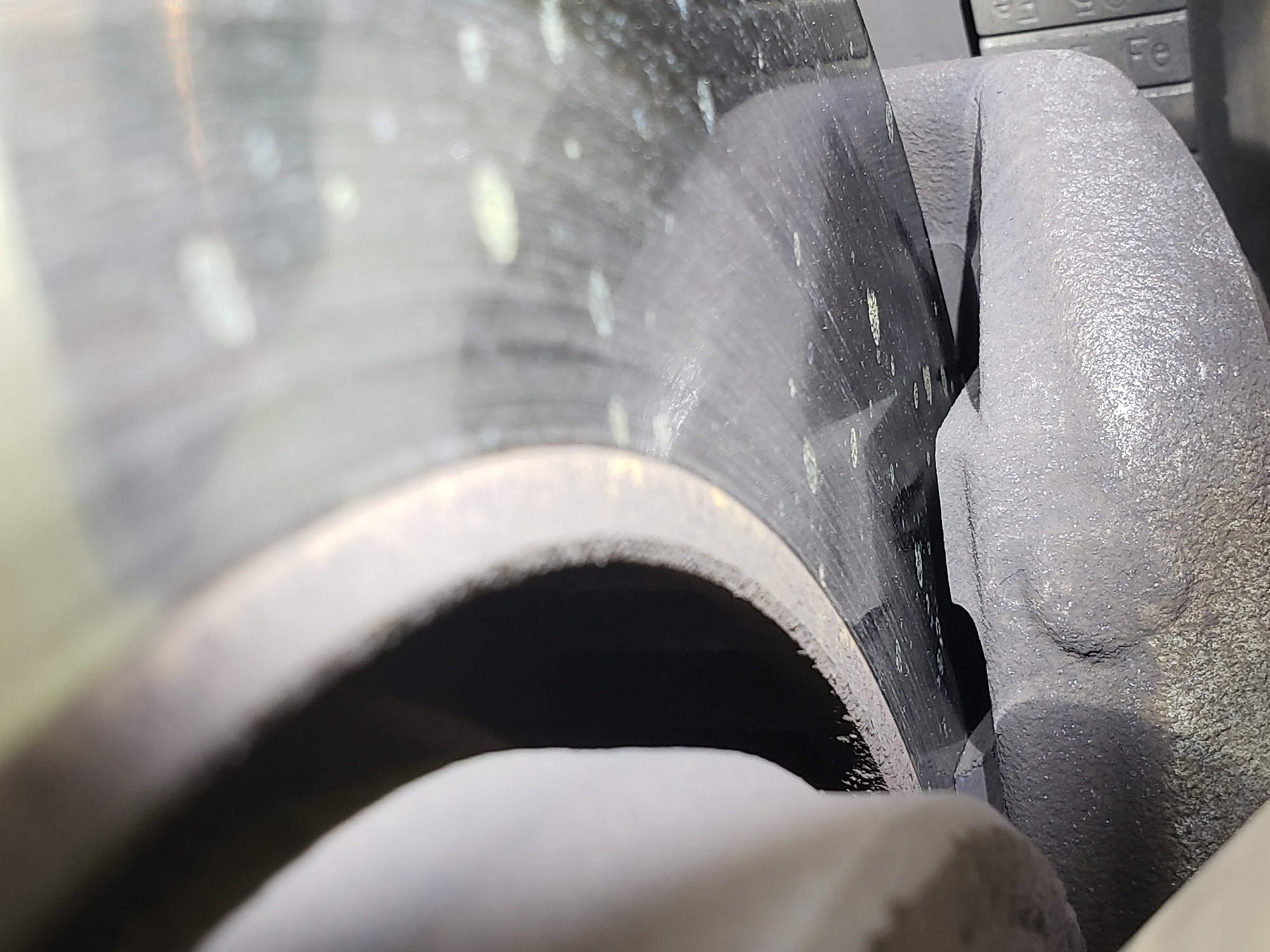
Brake pads sit inside the brake caliper, near the wheel. You can see them through the gaps in the wheel without removing it. Look for the thin, flat pieces pressing against the brake disc.
Understanding The Location Of Brake Pads
Brake pads are a key part of your car’s braking system. They press against the brake rotor to stop the vehicle. Knowing where they sit helps you check their thickness without removing the wheel.
Brake pads are inside the brake caliper. The caliper holds the pads on both sides of the rotor. You can see part of the brake pads through the gaps in the caliper.
Finding The Brake Caliper
Look behind the wheel at the large metal part called the brake caliper. It wraps around the brake rotor. The caliper holds the brake pads firmly in place.
You may need to turn the steering wheel to get a better view of the caliper. This changes the angle and shows more of the brake parts.
Spotting The Brake Pads Through The Caliper
Brake pads sit between the caliper and the rotor. You can see their edge through a small opening in the caliper. This gap allows you to check their thickness.
The pads look like thin blocks of material. They press against the rotor when you brake. The amount of pad left shows how much life remains.
Visual Inspection Techniques
Visual inspection techniques help check brake pad thickness without removing wheels. These methods save time and keep the process simple. You can spot worn brake pads early, improving safety and performance.
Good lighting and a clear view are key to effective visual checks. Use tools like flashlights and find spots between wheel spokes. These tricks help you see the brake pads better.
Using A Flashlight
A flashlight brightens dark areas around the brakes. Shine the light at the edge of the wheel near the brake rotor. This helps reveal the brake pad thickness clearly.
Hold the flashlight steady and move it slowly. Look for the brake pad’s friction material. If it looks very thin, it may need replacement soon.
Inspecting Through Wheel Spokes
Wheel spokes create small gaps to peek inside. Position yourself so you can see through these gaps. Spot the brake rotor and brake pads behind them.
Turn the steering wheel for a better angle if needed. Check the thickness of the pad material between the rotor and caliper. Thin pads show signs of wear and require attention.

Credit: www.wagnerbrake.com
Measuring Pad Thickness
Measuring brake pad thickness is key to safe driving. You can check it without removing the wheel. This saves time and effort. Knowing the pad thickness helps prevent brake failure and costly repairs. Two main ways exist to measure the thickness: using a brake pad gauge and estimating visually.
Using A Brake Pad Gauge
A brake pad gauge is a small tool designed to measure pad thickness accurately. Slide the gauge between the brake pad and the rotor. The gauge’s scale shows the exact thickness in millimeters or inches. This tool provides a quick and precise reading. It helps decide if the pads need replacement. Brake pad gauges are affordable and easy to use. Use them regularly to keep your brakes in good shape.
Estimating Thickness Visually
Visual estimation requires no tools and works well with practice. Look through the wheel spokes to see the brake pads. Check the pad material, not the metal backing plate. New pads are about 10 to 12 millimeters thick. If the pad looks less than 3 millimeters, it is time to replace it. Bright lighting helps see the pads clearly. This method is less accurate but useful for quick checks.

Credit: www.youtube.com
Frequently Asked Questions
How Can I See Brake Pad Thickness Without Removing The Wheel?
Look through the spaces between the wheel spokes to find the brake pads. Use a flashlight to get a clear view of the pad thickness. If the pads look thin, consider replacing them soon.
What Tools Help Check Brake Pads Without Wheel Removal?
A flashlight and a small mirror work well to inspect brake pads. The mirror helps see hidden parts behind the wheel spokes. These simple tools make checking easier and quicker.
How Thin Are Brake Pads When Replacement Is Needed?
Brake pads should be replaced if they are 3 millimeters or less thick. Thin pads reduce braking power and can damage the rotor. Regular checks help keep your brakes safe.
Can Worn Brake Pads Be Seen Through Alloy Wheels?
Yes, alloy wheels usually allow you to see the brake pads clearly. Look closely between the spokes for the pad’s thickness. This makes it easier to inspect without removing the wheel.
Conclusion
Checking brake pad thickness without removing the wheel saves time and effort. You can spot worn pads early and stay safe on the road. Use a flashlight and a ruler or gauge to measure the pads clearly. Regular checks help avoid costly repairs later.
Keep your brakes in good shape for smooth driving. Simple steps like these make car care easier. Don’t wait for brake problems to show up. Stay ahead by inspecting your brake pads often.