Is Power Steering Fluid And Transmission Fluid the Same? Key Facts
Have you ever wondered if power steering fluid and transmission fluid are the same? If you’re like many car owners, these two fluids might seem confusing because they both look similar and play important roles in your vehicle.
But using the wrong fluid can cause serious damage and cost you a lot in repairs. You’ll discover the key differences between power steering fluid and transmission fluid. By the end, you’ll know exactly what each one does and why it matters for your car’s health.
Keep reading to protect your vehicle and avoid costly mistakes!
Differences Between Power Steering Fluid And Transmission Fluid
Power steering fluid and transmission fluid are not the same. Each has a unique role in your vehicle. Understanding these differences helps you maintain your car better. Let’s explore how they differ in composition, color, and function.
Composition And Purpose
Power steering fluid is usually a hydraulic fluid. It helps move the steering parts easily. Transmission fluid is thicker and designed for transmissions. It lubricates and cools the transmission system. Both fluids serve different purposes.
Color And Texture
Power steering fluid often looks clear, amber, or red. It feels smooth and light. Transmission fluid is usually bright red or pink. It has a thicker, oilier texture. The color and feel can help identify each fluid.
Function In The Vehicle
Power steering fluid aids in turning the steering wheel. It provides hydraulic pressure for smooth steering. Transmission fluid transfers power within the transmission system. It also protects gears from wear and overheating. Each fluid keeps important parts working well.

Credit: www.reddit.com
Why Using The Right Fluid Matters
Using the right fluid for your vehicle is very important. Each fluid has a special job and must meet exact needs. Power steering fluid and transmission fluid look similar but work in very different ways. Using the wrong fluid can cause problems with your car’s performance and safety. Understanding why the right fluid matters helps keep your vehicle running smoothly and avoids costly repairs.
Impact On Vehicle Performance
Power steering fluid helps your steering system work smoothly and easily. It allows you to turn the wheel with little effort. Transmission fluid helps the transmission shift gears and cools the system. Using the correct fluid ensures these parts work well. Wrong fluid can make steering hard or cause rough gear shifts. Proper fluid keeps your car driving safely and comfortably.
Potential Damage From Incorrect Fluids
Using the wrong fluid can damage your vehicle’s parts. Power steering fluid in the transmission can cause seals to break. Transmission fluid in the steering system can cause leaks or poor performance. These damages can lead to expensive repairs or even system failure. Always choose the right fluid to protect your vehicle and avoid trouble on the road.
How To Identify The Correct Fluid For Your Car
Knowing the right fluid for your car is important. Using the wrong fluid can cause damage. It also affects how well your car runs. Finding the correct fluid is easy if you follow a few simple steps. These steps help you avoid costly mistakes and keep your car in good shape.
Checking The Owner’s Manual
The owner’s manual is the best place to start. It has specific information about your car. Look for sections on fluids or maintenance. The manual tells you the exact type of power steering fluid and transmission fluid needed. It also shows the proper fluid capacity. Always trust the manual over other sources.
Inspecting Fluid Reservoirs
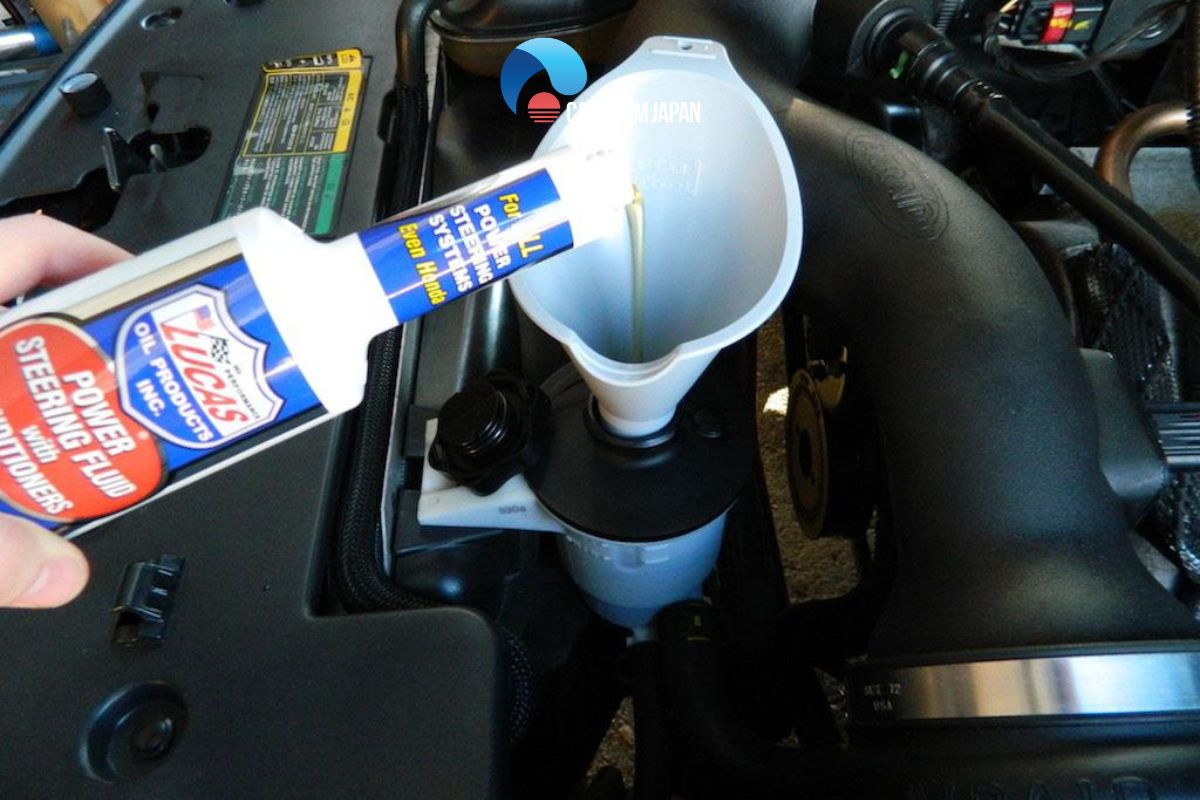
Open the hood and find the fluid reservoirs. Power steering fluid and transmission fluid have separate reservoirs. Each reservoir is usually labeled clearly. Check the color and texture of the fluid. Power steering fluid is often clear or red. Transmission fluid is usually red or pink and smells different. Use a clean cloth to wipe the cap before opening. This keeps dirt out and helps you see the fluid better.
Credit: carfromjapan.com
Tips For Maintaining Fluid Systems
Maintaining your vehicle’s fluid systems is important for smooth driving. Fluids like power steering and transmission fluid keep parts moving well. Taking care of these fluids helps avoid costly repairs. Simple steps can keep your car running longer and safer.
Regular Fluid Checks And Changes
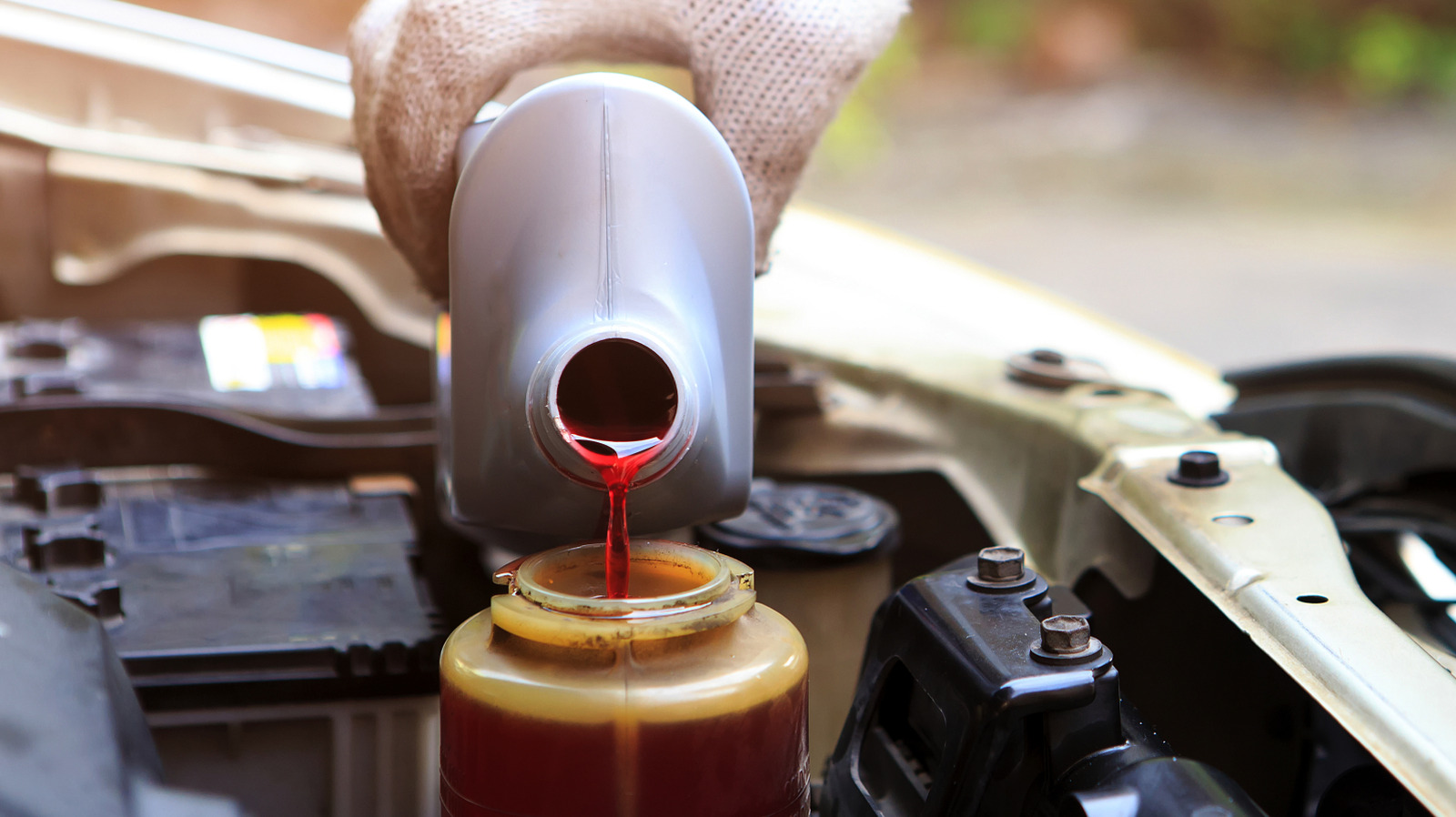
Check fluid levels often. Use the dipstick or check reservoirs under the hood. Look for fluids that are low or dirty. Change fluids as the car manual says. Old fluid loses its power to protect parts. Fresh fluid keeps the system clean and working well.
Signs Of Fluid Problems
Watch for signs like strange noises or stiff steering. Leaks under the car can mean fluid loss. Dark, thick, or burnt-smelling fluid is a warning. Transmission issues may cause slipping or rough shifts. Catch problems early to avoid bigger damage.
Credit: www.slashgear.com
Frequently Asked Questions
What Is The Difference Between Power Steering And Transmission Fluid?
Power steering fluid helps steer your car smoothly. Transmission fluid lubricates gears and helps shift smoothly. They have different uses and formulas.
Can I Use Transmission Fluid For Power Steering?
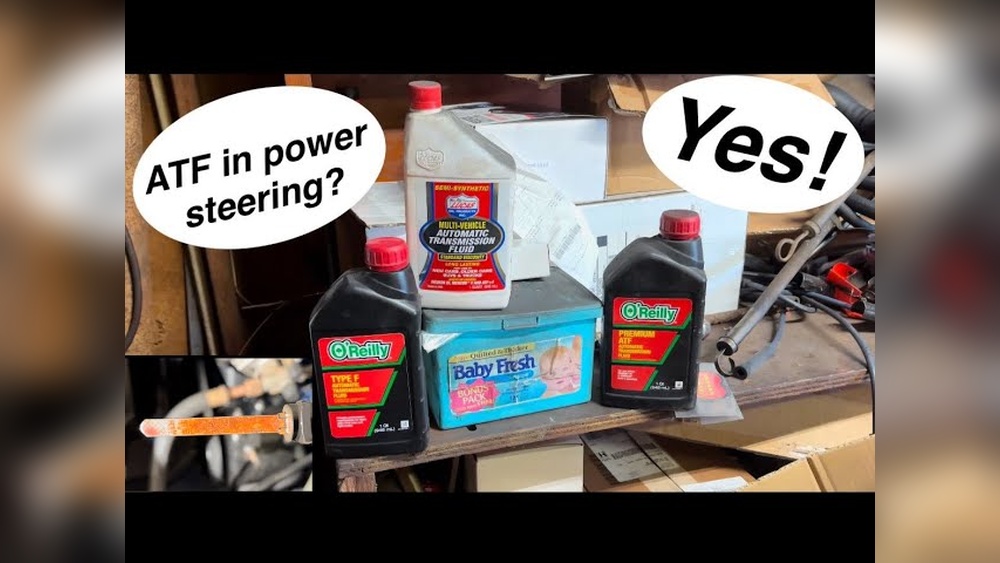
No, transmission fluid is not made for steering systems. Using it can damage the power steering pump and cause leaks. Always use the correct fluid type.
How Often Should Power Steering Fluid Be Changed?
Check your car manual for exact timing. Usually, power steering fluid should be changed every 50,000 miles or if it looks dirty. Clean fluid keeps the system working well.
What Are Signs Of Low Power Steering Fluid?
Steering feels stiff or hard to turn. You might hear whining noises when turning the wheel. These signs mean your power steering fluid needs checking.
Conclusion
Power steering fluid and transmission fluid are not the same. Each fluid has a special job in your car. Using the wrong fluid can cause damage. Always check your vehicle’s manual before adding any fluid. Keep fluids clean and topped up for smooth driving.
Taking care of your car helps it last longer. Simple steps protect your engine and steering system. Don’t mix fluids to avoid costly repairs. Remember, good car care starts with the right fluids.