Why Does My Car Have Trouble Starting After Getting Gas? Fix It Fast!
Have you ever filled up your tank, only to find your car struggles to start afterward? It’s frustrating and can leave you wondering what’s wrong with your vehicle.
If you’ve asked yourself, “Why does my car have trouble starting after getting gas? ” you’re not alone. Understanding the reasons behind this common issue can save you time, money, and stress. Keep reading to discover the surprising causes and easy fixes that can get your car running smoothly again.
Credit: blog.1aauto.com
Common Causes Of Starting Issues After Refueling
Many drivers face trouble starting their car right after filling up the gas tank. This issue can be frustrating and confusing. Several common causes can explain why your car hesitates or fails to start after refueling. Understanding these causes helps you find the right fix quickly. Below are the main reasons your car might have starting problems after getting gas.
Fuel System Problems
The fuel system can cause starting issues after refueling. Dirt or debris may enter the fuel tank during filling. This can clog fuel filters or injectors. A clogged fuel filter stops fuel from reaching the engine. Fuel injectors may also get blocked, causing poor fuel delivery. Faulty fuel pumps can fail to send the right fuel amount. These problems make the engine hard to start or stall soon after.
Evaporative Emission Control System
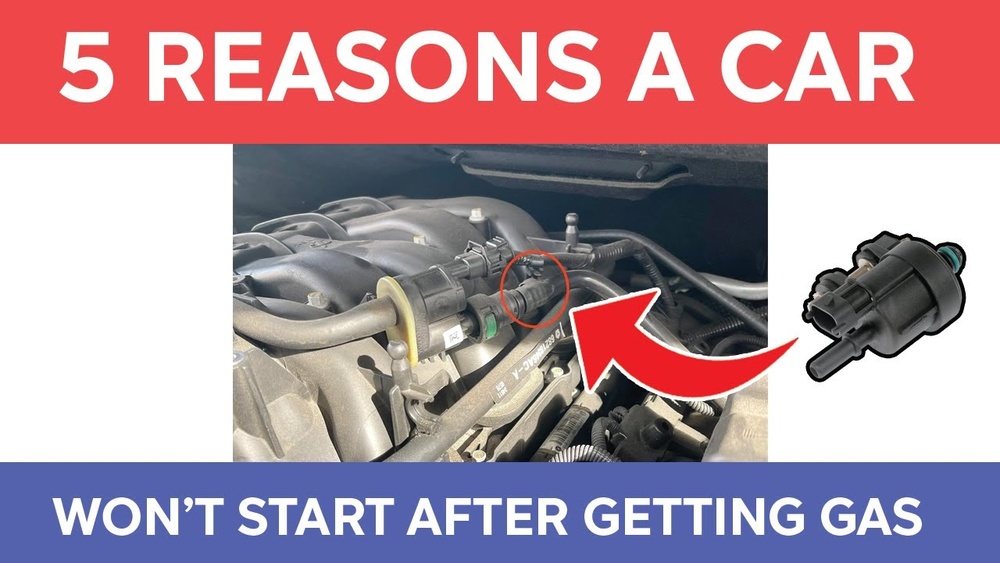
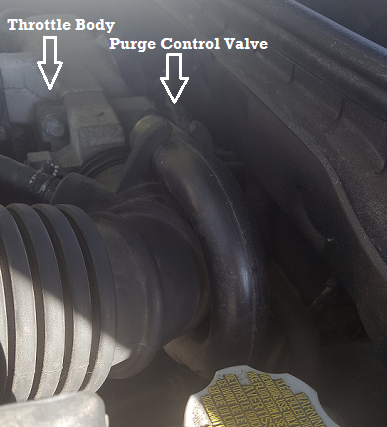
The evaporative emission control system (EVAP) controls fuel vapors. It prevents harmful vapors from escaping into the air. A common issue is a blocked or damaged EVAP purge valve. This valve controls vapor flow into the engine. If stuck open or closed, it disrupts air-fuel mix. A bad charcoal canister can also cause vapor build-up. These problems can cause rough starts or engine hesitation after gas.
Battery And Electrical Issues
Battery or electrical problems can affect starting after refueling. The car needs strong battery power to start the engine. A weak or old battery may struggle to turn the engine over. Loose or corroded battery cables cause poor connections. Faulty ignition switches or starter motors can also cause no-start issues. Electrical faults may worsen after the engine is off for some time, like during refueling breaks.
Credit: www.youtube.com
Signs Your Car Struggles After Gas
Car trouble after filling up the tank can be frustrating. Recognizing early signs helps catch issues fast. These signs often point to fuel system problems or engine difficulties. Watch closely for unusual behavior right after getting gas.
Engine Cranks But Won’t Start
The engine may turn over but fail to start. This means the fuel is not reaching the engine properly. It could be caused by bad gas or a clogged fuel filter. The spark plugs might not ignite the fuel either. This is a common sign your car struggles after gas.
Stalling Or Hesitation
Your car might stall or hesitate when you try to drive away. This happens when the engine does not get a steady fuel supply. The problem can occur right after filling up. It may feel like the engine is losing power or cutting out.
Unusual Noises Or Smells
Listen for strange sounds like sputtering or knocking from the engine. These noises suggest fuel or ignition issues. You might also notice a strong fuel smell. This could mean fuel is leaking or burning improperly. These signs need quick attention to avoid bigger damage.
Quick Fixes To Try Before The Mechanic
Car trouble right after filling gas? It can be frustrating. Before rushing to a mechanic, try some quick checks. These simple steps often fix the problem fast. Save time and avoid extra costs with these easy tips.
Check The Gas Cap
A loose or damaged gas cap can cause starting issues. It lets air leak into the fuel system. This disrupts pressure and fuel flow. Tighten the gas cap firmly. Replace it if cracked or worn out. A secure cap keeps the fuel system sealed and working properly.
Inspect Fuel Lines
Fuel lines carry gasoline from the tank to the engine. Check them for cracks, leaks, or blockages. Damaged lines reduce fuel flow and cause starting problems. Look under your car for wet spots or strong fuel smell. Replace or repair any damaged sections to restore proper fuel delivery.
Test The Battery
A weak or dead battery can make your car struggle to start. Check if the battery terminals are clean and tight. Corrosion on terminals blocks electrical flow. Use a multimeter to test battery voltage. A healthy battery should read around 12.6 volts. Replace the battery if the voltage is too low.
Preventive Tips To Avoid Future Starting Problems
Preventing car starting problems after refueling is key to a smooth driving experience. Simple steps can help you avoid future issues and keep your vehicle reliable. Pay attention to your car’s needs and fuel quality.
Regular Maintenance Schedule
Follow your car’s maintenance plan strictly. Check the battery, spark plugs, and fuel system regularly. Clean or replace parts as needed. Routine checks catch problems early, avoiding starting troubles later.
Use Quality Fuel
Choose fuel from trusted stations only. Poor-quality gas can clog fuel injectors and filters. Keep your engine running clean and strong by using high-grade fuel. This reduces the chance of hard starts after filling up.
Monitor Warning Lights
Watch your dashboard for warning signs. Lights for the battery, engine, or fuel system signal issues. Address these warnings quickly to prevent bigger problems. Early action helps your car start smoothly every time.

Credit: www.wikihow.com
Frequently Asked Questions
Why Does My Car Stall Right After Refueling?
Stalling after refueling can happen if the vapor recovery system is clogged. This system controls fuel vapors and can cause engine issues when blocked. Cleaning or repairing it often fixes the problem.
Can Bad Gas Cause Starting Problems In My Car?
Yes, bad or contaminated gas can clog fuel injectors or filters. This reduces fuel flow and makes starting difficult. Using fresh, high-quality gas helps prevent these issues.
Does The Gas Cap Affect Car Starting After Refilling?
A loose or damaged gas cap can cause pressure problems in the fuel tank. This may trigger the check engine light and cause starting trouble. Always tighten or replace the gas cap properly.
How Does The Fuel Pump Relate To Starting Issues After Gas?
The fuel pump moves gas from the tank to the engine. If it is weak or failing, the engine may struggle to start after refueling. Testing or replacing the pump can solve this problem.
Conclusion
Cars struggling to start after refueling can be frustrating. Gas quality, fuel system issues, or clogged filters often cause this problem. Regular maintenance helps avoid starting troubles. Pay attention to unusual smells or sounds too. Quick action can prevent bigger car troubles later.
Keep your vehicle’s fuel system clean and check parts often. Small fixes today save time and money tomorrow. Stay alert to your car’s signals for smoother drives ahead.