Can You Replace Brake Pads Without Replacing the Rotors? Essential Guide
When your car starts making squeaking noises or your brakes don’t feel as smooth as before, you might wonder if it’s time to replace the brake pads. But what about the rotors?
Do you have to replace them too every time you change your brake pads? You’re not alone in asking this question. Understanding whether you can replace brake pads without replacing the rotors can save you time, money, and hassle. You’ll discover the key signs to look for, what risks you might face, and how to make the best decision for your car’s safety and performance.
Keep reading to find out exactly what you need to know before you head to the garage.
Credit: nubrakes.com
When To Replace Brake Pads Alone
Knowing when to replace brake pads alone can save time and money. Brake pads wear down faster than rotors. You can change just the pads if the rotors are still in good shape. This keeps your braking system working well without extra work.
Signs Of Worn Brake Pads
Brake pads make a squealing noise when worn. You might hear a grinding sound if they are very thin. Also, notice if your car takes longer to stop. Visual checks can show pads less than 3 millimeters thick. These signs mean it’s time to replace the pads.
Rotor Condition Check
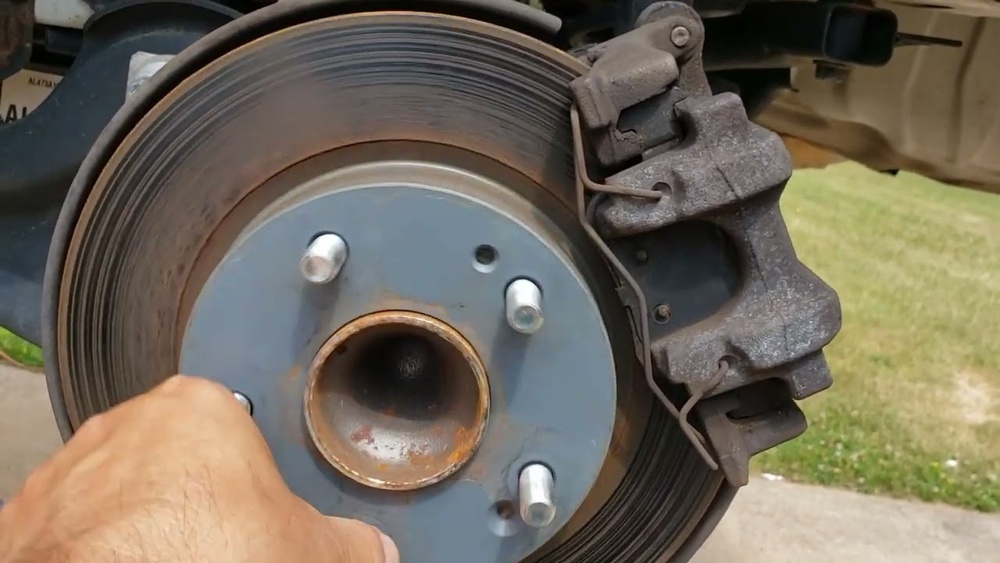
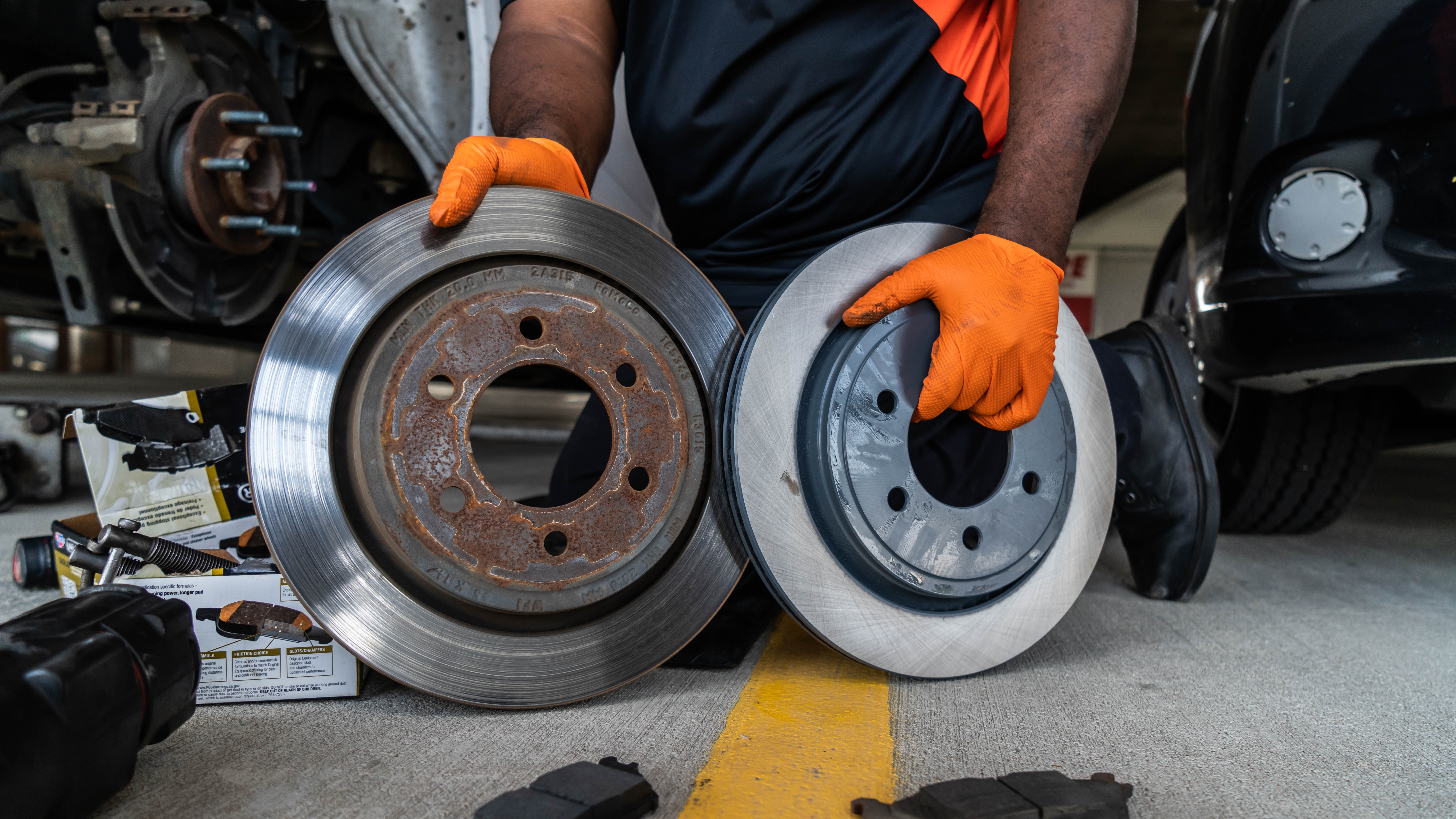
Look at the rotors for deep grooves or cracks. A smooth, clean surface means rotors are fine. Measure rotor thickness with a gauge. If thickness meets the manufacturer’s minimum, rotors do not need replacing. Slight surface rust is normal and can be cleaned off.
Impact On Braking Performance
New pads on good rotors improve stopping power. Old rotors with new pads cause noise and vibration. This can reduce brake efficiency and safety. Replacing pads alone keeps brakes responsive and smooth. It also avoids damage to other brake parts.

Credit: www.autonationmobileservice.com
Benefits Of Replacing Pads Without Rotors
Replacing brake pads without changing the rotors offers several key benefits. It helps car owners save money and time. It also keeps the brake system working well. Understanding these benefits can help you make a smart choice for your vehicle.
Not every situation needs new rotors. Sometimes the rotors are still in good shape. In such cases, just replacing the pads can be enough.
Cost Savings
Brake rotors are usually more expensive than brake pads. By skipping rotor replacement, you spend less on parts. Labor costs can also be lower because the job takes less time. This can make brake maintenance more affordable.
Time Efficiency
Replacing only brake pads takes less time. Mechanics can finish the job faster. This means less time without your car. Quick service keeps your daily routine on track.
Maintaining Brake System Integrity
Keeping the rotors intact can help maintain the brake system’s balance. New pads fit well with the existing rotors. This prevents unnecessary changes to the braking feel. It helps keep your braking smooth and reliable.
Risks Of Not Replacing Rotors
Choosing not to replace brake rotors alongside brake pads can cause problems. Rotors wear down over time and can develop grooves or warping. Using new pads on old, damaged rotors reduces braking performance. This section explains the risks of skipping rotor replacement.
Potential Brake Noise
Old rotors with grooves or rust can cause noise during braking. You might hear squealing or grinding sounds. New pads pressing against uneven rotors create vibration and noise. This can be annoying and may signal poor brake condition.
Reduced Brake Efficiency
Worn rotors reduce the brake system’s ability to stop quickly. The brake pads cannot grip the rotor surface properly. This leads to longer stopping distances and less control. Reduced efficiency increases the risk of accidents in emergencies.
Uneven Pad Wear
Damaged rotors cause brake pads to wear unevenly. Pads may wear out faster on one side. This uneven wear reduces pad life and braking power. You might need to replace brake pads more often, increasing maintenance costs.

Credit: www.youtube.com
Steps To Replace Brake Pads Only
Replacing brake pads only is a common choice when rotors remain in good condition. This saves money and time without risking safety. Follow these simple steps to change brake pads properly. Each step ensures your brakes work well after the job.
Tools And Safety Precautions
Gather basic tools: a jack, lug wrench, C-clamp, and socket set. Wear gloves and safety glasses to protect hands and eyes. Work on a flat surface and use wheel chocks to stop the car from moving. Always loosen lug nuts before lifting the car.
Removing Old Brake Pads
Lift the car and remove the wheel. Locate the brake caliper and remove its bolts. Carefully slide the caliper off the rotor. Remove the old brake pads from the caliper bracket. Note their position to place new pads the same way.
Inspecting And Cleaning Rotors
Check the rotor for deep grooves or cracks. Light surface rust is okay but clean it off. Use a brake cleaner spray and a clean cloth to wipe the rotor. Avoid touching the rotor surface with bare hands to keep it clean.
Installing New Brake Pads
Push the caliper piston back using a C-clamp. This makes space for new pads. Place the new brake pads into the caliper bracket. Reinstall the caliper over the pads and rotor. Tighten the bolts securely. Put the wheel back and lower the car. Tighten lug nuts fully in a star pattern.
Frequently Asked Questions
Can You Replace Brake Pads Without Changing Rotors?
Yes, you can replace brake pads without changing rotors if the rotors are still in good condition. Check for deep grooves or warping before deciding. Smooth rotors work well with new pads.
How Do You Know If Rotors Need Replacement?
Rotors need replacement if they are cracked, warped, or very thin. You might feel vibrations when braking or hear squealing sounds. A mechanic can measure rotor thickness to be sure.
Will New Brake Pads Fit Old Rotors Safely?
New brake pads can fit old rotors safely if the rotors are smooth and not damaged. Worn rotors can reduce braking power and cause noise. Make sure to inspect rotors before installing pads.
What Happens If You Replace Pads But Not Worn Rotors?
Replacing pads without fixing worn rotors can cause uneven wear and noise. It may also reduce braking efficiency. Rotors that are too worn should be resurfaced or replaced for best results.
Conclusion
Replacing brake pads without changing rotors can work sometimes. It depends on rotor condition and wear. Smooth, even rotors often do not need replacement. But deep grooves or warping mean new rotors are best. Skipping rotor checks risks poor braking and safety issues.
Always inspect rotors carefully with every brake job. Clean, well-maintained brakes keep your car safe and steady. Brake care saves money and prevents bigger repairs later. Choose wisely to keep your vehicle stopping strong and smooth.