What is the Difference between Red And Green Antifreeze: Key Facts Explained
When it comes to protecting your car’s engine, choosing the right antifreeze is crucial. You might have noticed red and green antifreeze at the store and wondered, “What’s the difference?” Using the wrong one could cause serious damage to your vehicle.
You’ll discover exactly how red and green antifreeze differ, why it matters for your car, and how to pick the best option to keep your engine running smoothly. Keep reading—you’ll thank yourself later!

Credit: belmontlubricants.com
Types Of Antifreeze
Antifreeze helps keep engines cool and prevents freezing. It protects the engine from damage caused by extreme temperatures. Different types of antifreeze have unique features. The most common colors are red and green. Each type fits specific vehicle needs. Understanding these types helps you choose the right one.
Antifreeze types vary by chemical makeup and lifespan. Using the wrong type can harm your car. The main differences lie in their formulas and how long they last. Red and green antifreeze are the most widely used types. They offer different protection levels and require different maintenance.
Red Antifreeze Characteristics
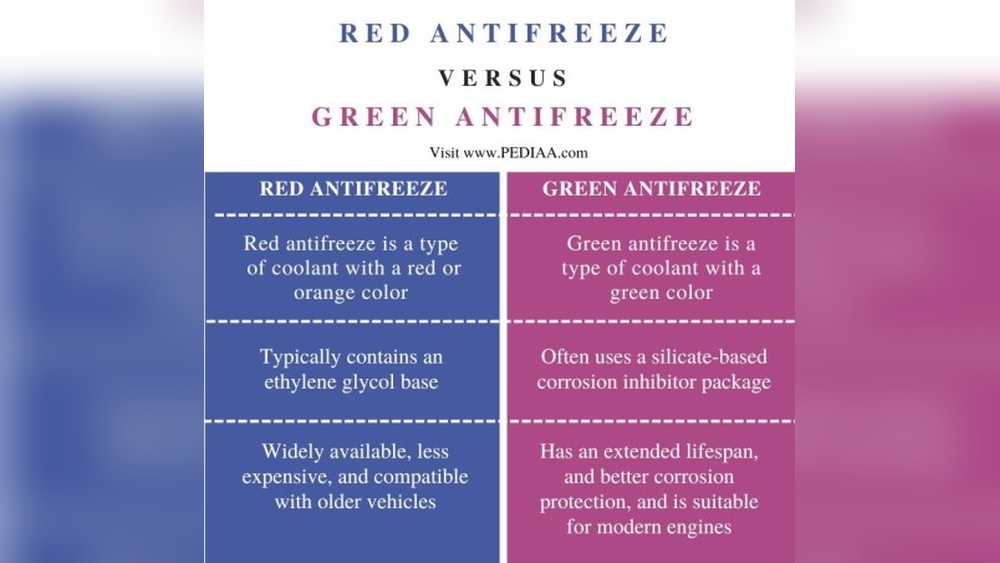
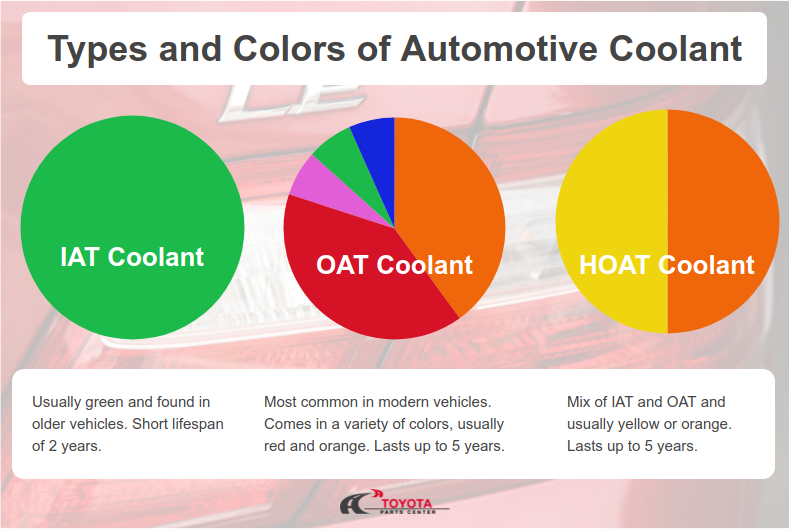
Red antifreeze uses organic acid technology (OAT). It lasts longer than traditional antifreeze, often up to five years. It is less corrosive to engine parts. Red antifreeze suits modern cars and those with aluminum engines. It provides good protection against rust and scale buildup. This type needs a full system flush before switching to another type. Mixing red with other antifreeze types can cause damage.
Green Antifreeze Characteristics
Green antifreeze is made with inorganic additive technology (IAT). It usually lasts around two to three years. It contains silicates and phosphates that protect metal parts. Green antifreeze is common in older vehicles and heavy-duty trucks. It offers solid corrosion protection but needs more frequent changes. Mixing green antifreeze with others can reduce effectiveness. Proper maintenance helps keep the cooling system safe.

Credit: dfwkwikkar.com
Chemical Composition
Antifreeze protects your car’s engine from freezing and overheating. The chemical makeup of antifreeze affects how it works. Red and green antifreeze use different chemicals. These differences influence their performance and lifespan. Understanding their chemical composition helps you pick the right antifreeze for your vehicle.
Organic Acid Technology In Red
Red antifreeze contains organic acid technology (OAT). It uses organic acids as corrosion inhibitors. These acids protect metal parts inside the engine. OAT formulas are free of silicates and phosphates. This helps reduce deposits and sludge build-up. Red antifreeze lasts longer than traditional types. It can protect engines for up to five years or 150,000 miles.
Inorganic Additives In Green
Green antifreeze contains inorganic additives. These include silicates and phosphates. They protect the engine by forming a barrier on metal surfaces. This barrier prevents rust and corrosion. Green antifreeze tends to have a shorter lifespan. Usually, it requires changing every two years or 30,000 miles. Its chemical makeup can cause more buildup inside the engine over time.
Performance And Longevity
Performance and longevity are key factors when choosing antifreeze. The right antifreeze protects your engine and keeps it running smoothly. It also lasts longer, saving you time and money. Different types of antifreeze offer different benefits in these areas. Understanding these differences helps you pick the best option for your vehicle.
Lifespan Of Red Antifreeze
Red antifreeze often lasts longer than other types. It uses organic acid technology (OAT) to protect engines. This technology reduces wear and corrosion inside the cooling system. Red antifreeze can last up to 5 years or 150,000 miles. This means fewer changes and less maintenance. It works well in modern cars with aluminum parts.
Durability Of Green Antifreeze
Green antifreeze uses traditional inorganic additives. It protects engines from rust and overheating. Its lifespan is shorter, usually around 2 to 3 years. It requires more frequent replacement to maintain protection. Green antifreeze is often cheaper but needs more upkeep. It works well for older vehicles with cast iron parts.
Credit: parts.olathetoyota.com
Compatibility And Usage
Compatibility and usage of red and green antifreeze are crucial for your vehicle’s health. Each type has different chemicals that protect the engine. Using the wrong antifreeze can cause damage or reduce protection. Understanding where and how to use each type helps maintain your car’s cooling system effectively.
Vehicle Recommendations
Red antifreeze suits many Asian and European vehicles. It uses organic acid technology for long-lasting protection. Green antifreeze is common in older American cars. It contains silicates that protect metal parts from rust. Always check your car’s manual before choosing antifreeze. Using the right type matches your engine’s needs.
Mixing And Replacement Tips
Do not mix red and green antifreeze. Their chemical formulas can react badly together. Mixing reduces the coolant’s effectiveness and may cause damage. When replacing antifreeze, flush the cooling system first. This removes old fluid and avoids contamination. Use the new antifreeze type recommended for your car. Proper replacement keeps the engine running smoothly.
Frequently Asked Questions
What Are The Main Differences Between Red And Green Antifreeze?
Red antifreeze usually contains organic acid technology (OAT), offering longer life and better corrosion protection. Green antifreeze often uses inorganic additives and needs more frequent changes. Both serve to cool engines but differ in chemical makeup and lifespan.
Can Red And Green Antifreeze Be Mixed Safely?
Mixing red and green antifreeze is not recommended. Their chemicals can react and cause engine damage or reduce cooling efficiency. Always use the type your vehicle manufacturer suggests.
Which Antifreeze Color Is Better For Older Cars?
Green antifreeze suits older cars that require traditional inorganic additives. Red antifreeze is better for newer cars needing extended life coolants. Check your car’s manual to choose the right one.
How Often Should Red And Green Antifreeze Be Replaced?
Red antifreeze lasts longer, often up to 5 years or 150,000 miles. Green antifreeze usually needs changing every 2 years or 30,000 miles. Regular checks help keep the cooling system healthy.
Conclusion
Red and green antifreeze serve different purposes in engines. Green antifreeze lasts longer but suits older cars. Red antifreeze protects newer engines better and lasts less. Mixing them can cause damage and reduce cooling. Always check your vehicle’s manual before choosing antifreeze.
Use the right type to keep your engine safe and cool. Proper antifreeze helps avoid costly repairs and keeps your car running smoothly. Choose carefully and maintain your vehicle well for best results.