How Long Can You Drive With a Bad Catalytic Converter: Risks & Tips
If your car’s check engine light just came on or you’re hearing strange noises from under the hood, you might be wondering, how long can you drive with a bad catalytic converter? This part plays a big role in keeping your car running smoothly and your emissions low.
Ignoring it could lead to bigger problems—and bigger bills. But before you panic, let’s break down what happens when your catalytic converter goes bad, how it affects your car, and what you need to know about driving safely until you get it fixed.
Keep reading to find out how to protect your car and avoid costly mistakes.
Credit: www.autonationmobileservice.com
Signs Of A Failing Catalytic Converter
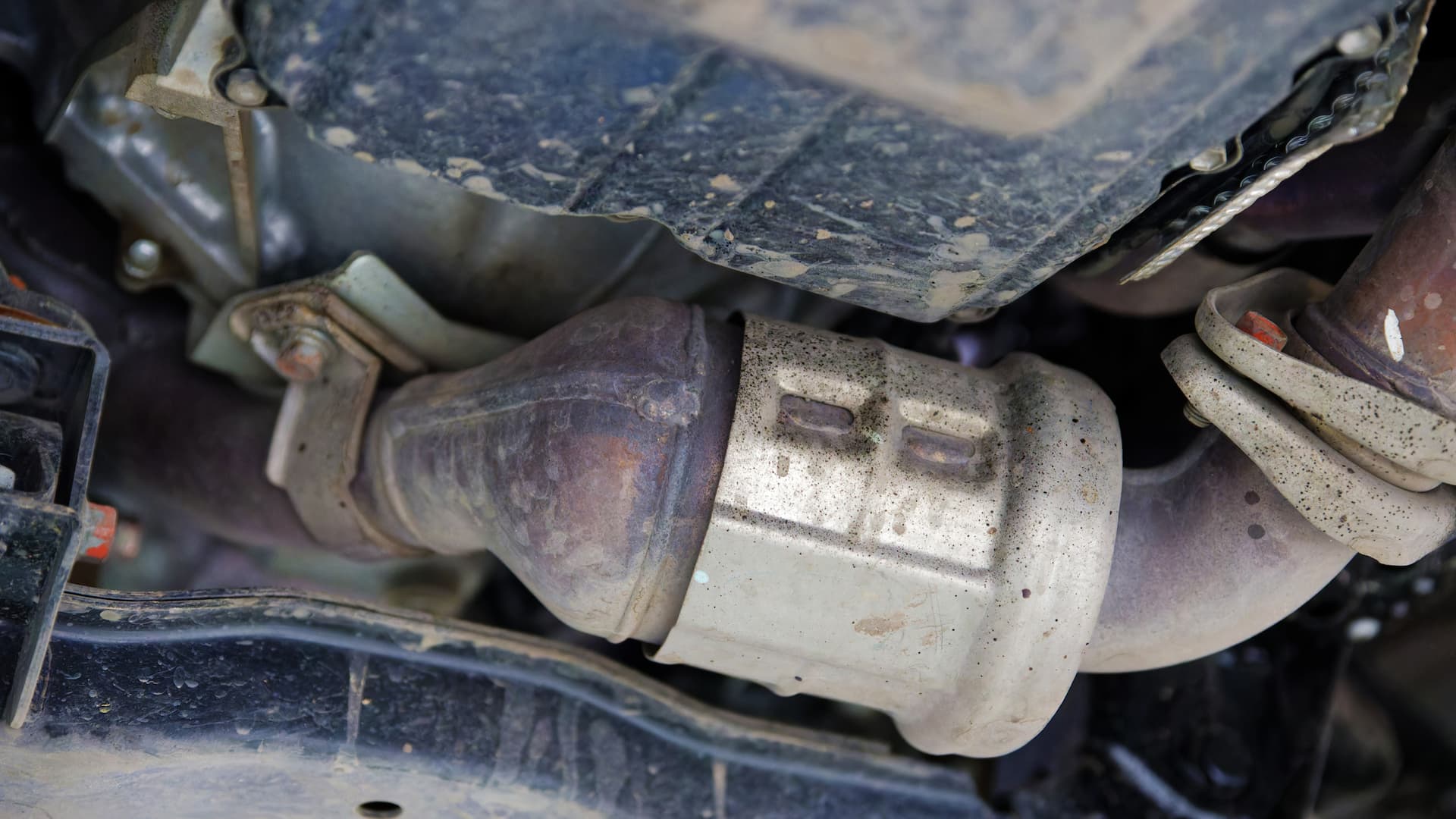
The catalytic converter is a key part of your car’s exhaust system. It helps reduce harmful gases from the engine. When it starts to fail, your vehicle shows clear signs. Spotting these signs early can save you from costly repairs and unsafe driving.
Recognizing the symptoms of a failing catalytic converter is important. They affect how your car runs and how much pollution it releases. Knowing these signs helps you decide how long you can keep driving safely.
Common Symptoms
A bad catalytic converter often causes a strong smell, like rotten eggs. This comes from the buildup of sulfur compounds. You may also notice the check engine light turning on. Sometimes, your car might make rattling noises. This sound happens if the inside of the converter breaks apart. Your car may have trouble starting or stall unexpectedly. These are all signals that the catalytic converter is not working well.
Impact On Vehicle Performance
A failing catalytic converter limits the flow of exhaust gases. This causes poor engine performance and lower fuel efficiency. Your car might feel slower or struggle to accelerate. You could also experience rough idling or misfires. Driving with a bad converter puts extra strain on the engine. Over time, this can lead to more serious damage. The vehicle may also fail emissions tests, which can prevent registration renewal.

Credit: www.youtube.com
Risks Of Driving With A Bad Converter
Driving with a bad catalytic converter carries serious risks. It affects your car’s performance and harms the environment. Ignoring this issue can lead to costly repairs and legal trouble. The catalytic converter helps clean harmful gases from your car. When it fails, those gases escape into the air. Below are some key risks of continuing to drive with a bad converter.
Environmental Consequences
A bad catalytic converter releases toxic gases like carbon monoxide and nitrogen oxides. These gases pollute the air and contribute to smog. Poor air quality can cause breathing problems and other health issues. Driving with a faulty converter adds to environmental damage. It also breaks laws in many places that require emissions control.
Potential Engine Damage
A failing converter can cause your engine to run poorly. It may lead to overheating or misfires. Blocked exhaust flow puts extra strain on engine parts. Over time, this damage can become severe and expensive to fix. Early repair helps avoid costly engine problems later.
How Long Can You Drive Safely
Knowing how long you can drive with a bad catalytic converter is important. It affects your car’s performance and safety. Driving too long with this issue can cause more damage.
This section explains how long you can drive safely and what to watch for.
Factors Affecting Driving Time
Driving time depends on the severity of the catalytic converter problem. A small clog may allow longer driving. A severe failure means you should stop quickly.
Car make and model also affect how long you can drive. Some engines handle issues better than others. Age and maintenance history of the car play a role too.
Driving conditions matter. Short trips might cause more harm than highway driving. Heat buildup from stop-and-go traffic can worsen the problem faster.
When To Stop Driving
Stop driving if the check engine light stays on. It signals a serious issue with the catalytic converter or engine. Strange smells like rotten eggs are a warning sign.
Notice any loss of power or poor acceleration? This means the converter is clogged. Strange noises under the car also mean trouble. Avoid driving to prevent costly repairs.
If your car fails an emissions test, it is unsafe to drive. Fix the catalytic converter as soon as possible. Continuing to drive can harm the engine and the environment.

Credit: rrcats.com
Maintenance And Repair Tips
Maintaining your catalytic converter helps extend its life and keeps your car running well. Repairing or replacing it quickly stops further damage. Follow simple tips to avoid costly repairs and stay safe on the road.
Preventive Measures
Check your engine regularly to catch problems early. Fix issues like misfires or rough idling fast. Use quality fuel to reduce harmful deposits inside the converter. Avoid driving through deep water to prevent damage. Keep up with scheduled oil changes and tune-ups. These steps keep your catalytic converter healthy and efficient.
Choosing The Right Replacement
Pick a catalytic converter that fits your car’s make and model. Look for parts that meet emissions standards in your state. Choose converters made from durable materials for longer life. Consider professional installation to ensure proper fit and function. A good replacement restores performance and lowers emissions effectively.
Frequently Asked Questions
How Long Can You Safely Drive With A Bad Catalytic Converter?
You can drive a few hundred miles, but it is not safe long-term. A bad converter can cause engine damage and reduce fuel efficiency.
What Are The Risks Of Driving With A Faulty Catalytic Converter?
Driving with a bad converter can lead to poor engine performance and higher emissions. It may also cause your car to fail emissions tests.
How Does A Bad Catalytic Converter Affect Car Performance?
A faulty converter reduces engine power and causes rough idling. It can also increase fuel consumption and cause your car to stall.
When Should You Replace A Failing Catalytic Converter?
Replace it as soon as you notice performance drops or warning lights. Delaying repairs can lead to costly engine damage and failed emissions tests.
Conclusion
Driving with a bad catalytic converter can damage your car fast. It hurts engine performance and wastes fuel. You should fix it soon to avoid costly repairs. Waiting too long can cause your car to fail emissions tests. A working catalytic converter keeps your car clean and running well.
Take action early to stay safe and save money. Don’t ignore warning signs like strange smells or engine trouble. Your car will thank you with better power and smoother rides.