Is It Necessary to Change Brake Fluid Every Two Years? Expert Insights
Have you ever wondered if changing your brake fluid every two years is really necessary? You might think it’s just another routine task, but ignoring it could put your safety at risk.
Your brakes are one of the most important parts of your car, and the fluid inside them plays a key role in keeping them working properly. You’ll discover why brake fluid matters, what happens if you don’t change it on time, and how to know when it’s time for a change.
Keep reading—your safety and your car’s performance depend on it.

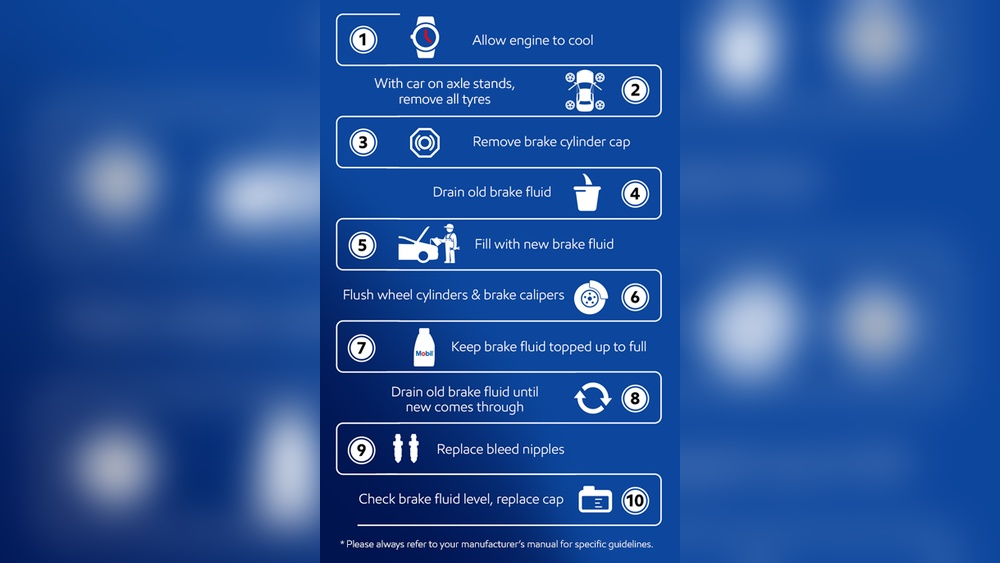
Credit: natrad.com.au
Brake Fluid Basics
Brake fluid plays a key role in car safety. It helps the brake system work well and stops the car safely. Knowing the basics about brake fluid helps you understand why changing it matters.
Brake fluid can wear out or get dirty over time. This can cause brake problems and make driving unsafe. Let’s explore the types of brake fluid and its role in vehicle safety.
Types Of Brake Fluid
Brake fluid comes in several types. The most common are DOT 3, DOT 4, and DOT 5.1. They differ in boiling points and chemical makeup. DOT 3 and DOT 4 are glycol-based and absorb moisture. DOT 5 is silicone-based and does not absorb water. Using the right type is important for your car’s brake system.
Role In Vehicle Safety
Brake fluid transfers force from the brake pedal to the brakes. It must be clean and free of moisture. Water in brake fluid lowers its boiling point. This can cause brake failure during hard stops. Good brake fluid keeps brakes responsive and safe. Regular checks and changes help maintain vehicle safety.
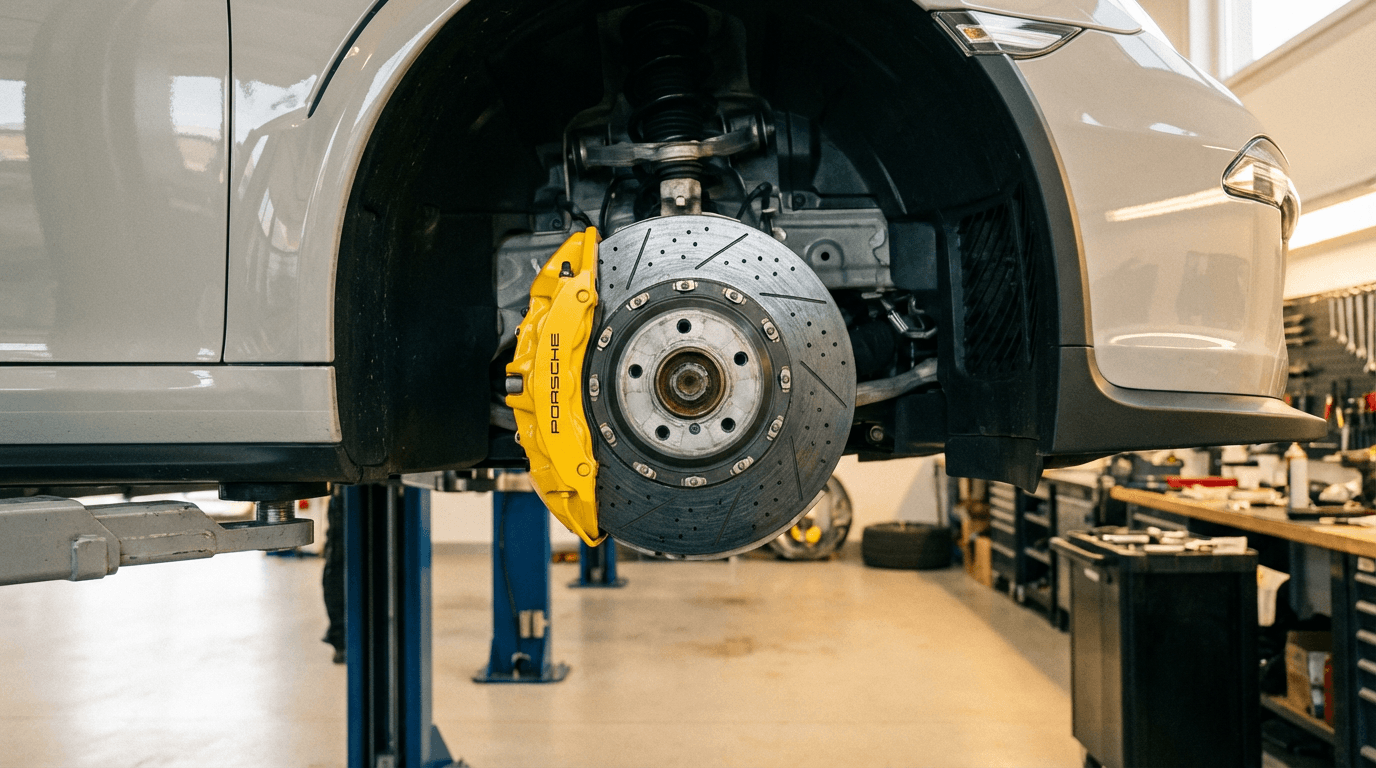
Credit: repasimotorwerks.com
Why Change Brake Fluid Regularly
Brake fluid plays a key role in your vehicle’s braking system. It helps transfer force from the brake pedal to the brake parts. Over time, brake fluid can lose its quality and cause problems. Changing it regularly keeps the brakes working well and safe. Understanding why this is important helps you maintain your car better.
Brake fluid is hygroscopic, meaning it absorbs water from the air. This can cause serious issues inside the brake system. Regular fluid changes prevent damage and keep your brakes reliable.
Moisture Absorption Issues
Brake fluid absorbs moisture from the environment. This moisture lowers the fluid’s boiling point. When brakes get hot, the fluid can boil and create gas bubbles. Gas bubbles reduce brake pressure. This leads to a spongy brake pedal and less stopping power.
Water in brake fluid also causes corrosion. It damages metal brake parts like calipers and lines. Corrosion can lead to leaks and brake failure. Changing brake fluid removes water and protects the system.
Impact On Brake Performance
Old brake fluid can harm brake performance. It becomes thick and dirty over time. Thick fluid does not flow easily through the brake lines. This delays the brake response and reduces efficiency.
Fresh brake fluid ensures smooth brake action. It keeps the braking system responsive and safe. Regular fluid changes maintain consistent brake feel. This helps avoid accidents and costly repairs.
Manufacturer Recommendations Vs. Expert Advice
Car owners often face mixed advice about changing brake fluid every two years. Manufacturer recommendations and expert opinions sometimes differ. Understanding both helps make the best decision for vehicle safety and maintenance.
Manufacturers create guidelines based on tests and vehicle design. Experts consider real-world conditions and new research. Both perspectives provide valuable insight on brake fluid care.
Common Industry Guidelines
Most car makers suggest changing brake fluid every two years. This timeline aims to keep brakes working well and avoid damage. Brake fluid can absorb moisture over time. Moisture lowers fluid boiling point and can cause brake failure.
Manufacturers set replacement schedules to prevent this risk. They base these schedules on lab tests and average driving conditions. Sticking to these guidelines helps maintain warranty coverage. It also supports consistent brake performance.
When To Follow Expert Tips
Experts may advise changing brake fluid more or less often. They look at driving habits, climate, and vehicle age. For example, drivers in wet or humid areas may need quicker fluid changes. Heavy braking or frequent stop-and-go traffic can also affect fluid life.
Mechanics often test brake fluid moisture levels during service. This test shows if fluid needs early replacement. Experts suggest checking brake fluid regularly, not just by the calendar. This approach offers better safety and can save money long-term.
Signs You Need A Brake Fluid Change
Brake fluid plays a crucial role in your vehicle’s braking system. Over time, it can absorb moisture and lose its effectiveness. This can lead to reduced braking power and safety risks. Knowing the signs of brake fluid needing a change helps keep you safe on the road. Watch out for warning signals and perform simple checks to catch problems early.
Warning Indicators
One common sign is a soft or spongy brake pedal. This means the brake fluid may contain moisture or air. Another indicator is a longer stopping distance. Your brakes might not respond as quickly as before. Brake warning lights on your dashboard can also signal fluid issues. Any strange noises when pressing the brake pedal should not be ignored.
Diy Checks And Professional Inspections
Check the brake fluid level regularly. It should be between the minimum and maximum marks. Look at the fluid color; clear or light yellow is good. Dark or cloudy fluid means it’s time to change it. Professionals can test the fluid’s moisture content with special tools. Regular inspections help keep the brake system in top shape.

Credit: www.reddit.com
Frequently Asked Questions
How Often Should Brake Fluid Be Changed?
Brake fluid should be changed every two years to keep brakes working well. Old fluid can absorb moisture, causing brake failure. Regular changes help keep your car safe.
What Happens If Brake Fluid Is Not Changed?
Brake fluid that is old can cause brakes to feel soft or fail. Moisture in the fluid can cause rust and damage brake parts. This can make driving unsafe.
Can I Check Brake Fluid Condition Myself?
Yes, you can check brake fluid color and level in the reservoir. Clean fluid looks clear or light yellow. Dark or dirty fluid means it needs changing.
Is Changing Brake Fluid Expensive Or Difficult?
Changing brake fluid is usually affordable and quick at a mechanic shop. It requires special tools to remove old fluid and add new. Doing it yourself is possible but needs care.
Conclusion
Changing brake fluid every two years keeps your brakes working well. Old fluid can cause brake problems and reduce safety. Regular changes help stop rust and moisture build-up inside the brake system. This simple step saves money on costly repairs later.
Trust your car’s manual for the best schedule. Staying on top of brake fluid changes protects you and your passengers. Don’t wait until you feel a brake issue. Act now for safer driving and peace of mind.