Will a Car Pass Inspection With Check Engine Light on? Find Out Now!
You’ve noticed that annoying check engine light glowing on your dashboard, and now you’re wondering—will your car pass inspection with that light on? It’s a question that can cause a lot of stress, especially if you’re worried about costly repairs or failing your test.
The truth is, the check engine light means different things depending on the problem. You’ll discover exactly what that light means for your inspection, what you can expect at the testing center, and what steps you should take before your appointment.
Keep reading to avoid surprises and make sure your car stays on the road without any issues.
What Triggers The Check Engine Light
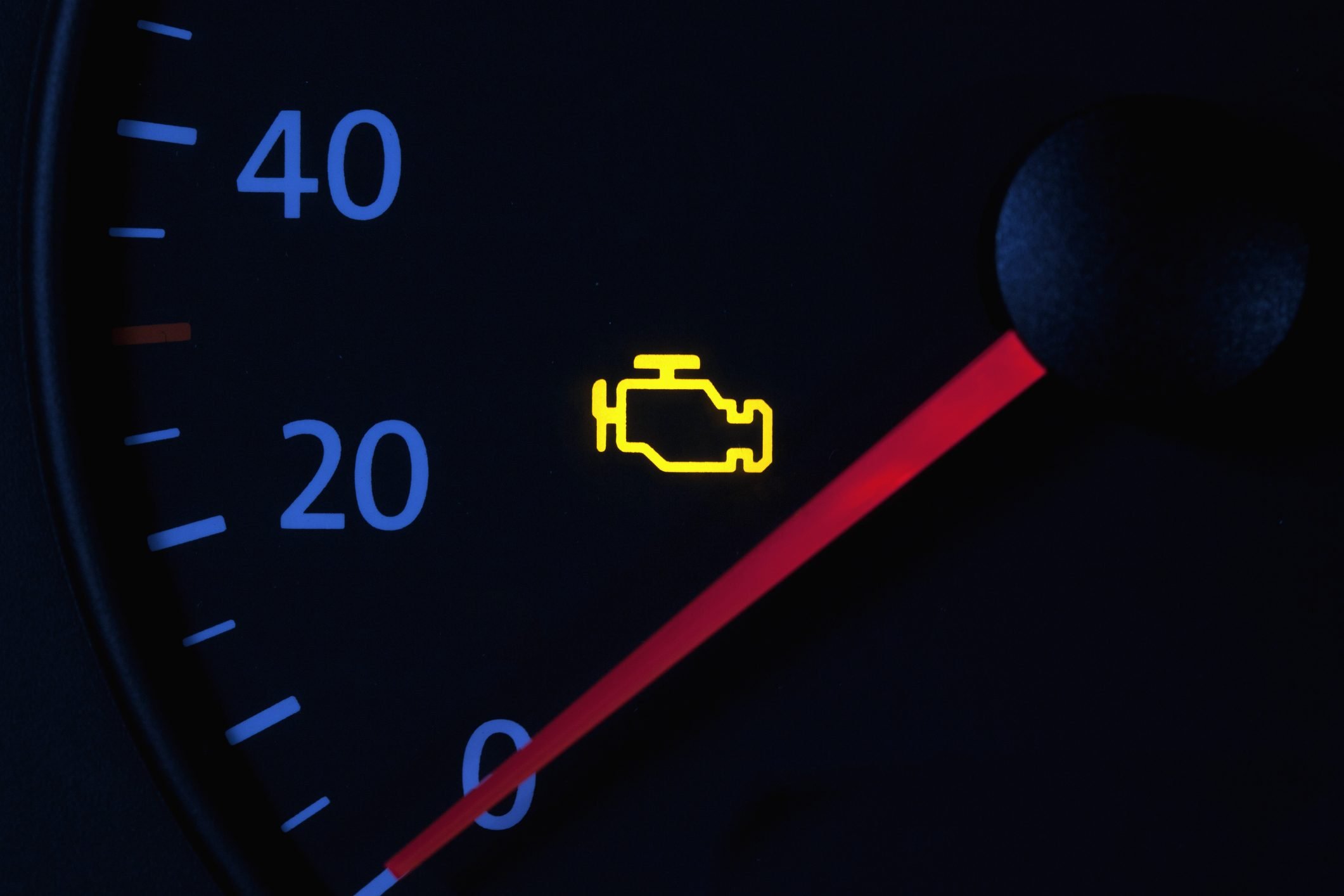
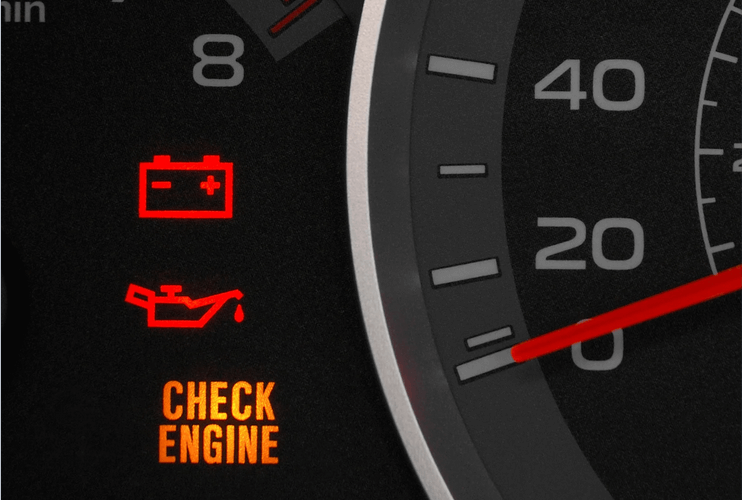
The check engine light is a warning signal from your car. It shows up on the dashboard when the car’s computer finds a problem. This light can mean many things. Some are small issues. Others could be serious. Understanding what causes the light helps you know how to act.
Common Causes Of The Light
The check engine light often comes on for simple reasons. A loose gas cap is a frequent cause. It can let fuel vapors escape. This triggers the light. Problems with the oxygen sensor are also common. This sensor checks the air-fuel mixture. A bad sensor affects fuel efficiency and emissions.
Other causes include faulty spark plugs or ignition coils. These parts help the engine run smoothly. A failing catalytic converter can also light up the warning. This part reduces harmful exhaust gases. Issues with the mass airflow sensor or vacuum leaks might trigger the light too.
Severity Levels Of Issues
Not all check engine light problems are equal. Some are mild and do not stop the car from running. These issues often cause the light to stay steady. It is safe to drive, but you should get it checked soon.
More severe problems cause the light to flash. This means the engine is misfiring. Driving with a flashing light can damage the engine. It needs immediate attention. Ignoring serious issues can lead to costly repairs or breakdowns.
Credit: www.familyhandyman.com
Inspection Criteria For Emissions And Safety
Car inspections check two main things: emissions and safety. These checks keep roads safe and air clean. The rules vary by state but follow similar ideas. Understanding what inspectors look for helps prepare your car.
Emissions tests focus on how much pollution your car makes. Safety inspections check if parts like brakes and lights work well. Both are important for passing the inspection.
Emission Standards And Testing
Cars must meet pollution limits set by law. The inspection measures gases from the exhaust. Sensors and scanners read the car’s computer for errors. A check engine light often means emission problems exist. If pollution is too high, the car fails the test.
Modern cars use OBD-II systems to report engine issues. Inspectors connect to this system to detect faults. A clear engine light shows no major emission faults. Some states fail cars automatically if the light is on.
Safety Checks During Inspection
Safety checks look at brakes, tires, lights, and steering. Inspectors test if brakes stop the car properly. Tires must have enough tread and no damage. All lights, including signals and brake lights, must work. Steering and suspension also get examined for problems.
Any broken or missing safety parts can cause a failure. Inspectors want to make sure the car is safe to drive. Even if the engine light is on, good safety parts help pass this part.
Impact Of Check Engine Light On Passing Inspection
The check engine light can affect a car’s inspection results. This light shows there is a problem with the engine or emissions system. Inspectors use this light to check if the car meets safety and pollution rules. A lit check engine light often means the car will fail the inspection. This is because the vehicle might be releasing too much pollution or have a serious issue.
Sometimes, the check engine light stays on for small problems. Other times, it signals a big issue that needs fixing. Knowing how this light affects inspection helps drivers prepare. It can save time and money by avoiding an automatic fail.
When The Light Means Automatic Failure
A check engine light usually means automatic failure during inspection. If the light is on, the car fails the emissions test. This is true even if the car seems to drive fine. The light shows the onboard computer has found a fault. Inspectors cannot pass a car with this warning active.
The light can mean issues like bad sensors, faulty catalytic converters, or engine misfires. These problems increase pollution. The state wants to keep the air clean. So, they require repairs before passing the car. Resetting the light without fixing the problem will not help.
Exceptions And Special Cases
Some states allow exceptions for the check engine light. For example, new cars may get a grace period. This lets owners fix the problem before the next inspection. Also, some minor codes may not cause failure. These depend on the local laws and testing rules.
In rare cases, a loose gas cap can trigger the light. Tightening the cap and driving for a while may turn the light off. Then, the car can pass inspection. Special diagnostic tools can check if the light is a serious issue. Always check your state’s rules before the test.

Credit: girlingtongarage.com
Steps To Take Before Your Inspection
Preparing your car for an inspection is important, especially if the check engine light is on. Taking the right steps can save time and money. It helps you understand the problem and decide what to do next. Follow these steps to get ready for your inspection day.
Diagnosing The Problem
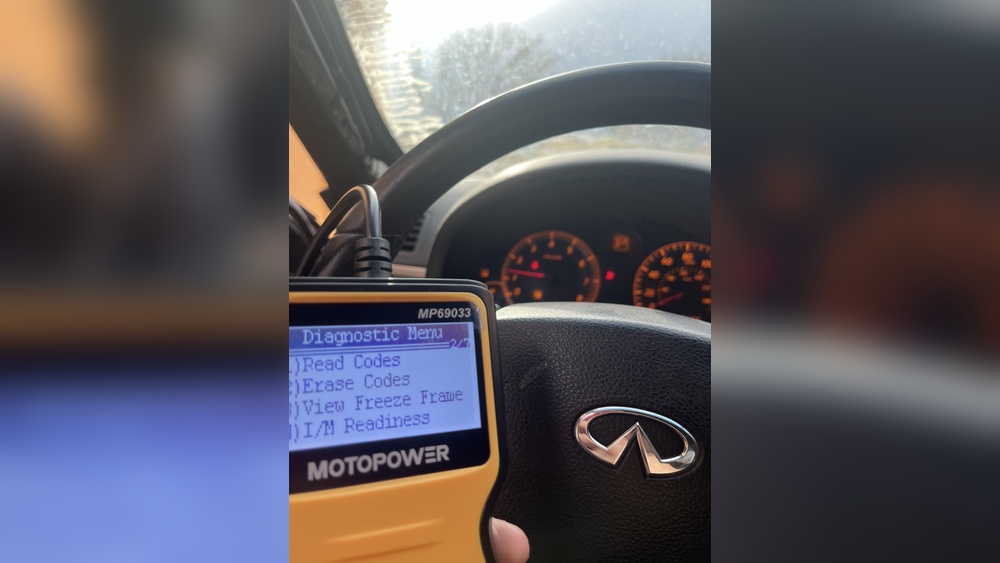
Start by finding out why the check engine light is on. Use an OBD-II scanner to read error codes. These codes point to specific issues with your car. Many auto parts stores offer free code reading. Knowing the exact problem helps avoid unnecessary repairs.
Repair Options And Cost Considerations
After diagnosing, explore repair choices. Some problems are simple, like a loose gas cap. Others need professional help, such as fixing sensors or engine parts. Compare repair costs with the car’s value. Choose affordable fixes that keep your car safe and reliable.
Resetting The Check Engine Light
Resetting the light is possible after repairs. Use the OBD-II scanner to clear error codes. The light should stay off if the problem is fixed. If it returns, the issue remains. Remember, some states fail cars with an active check engine light.
Credit: www.chapelhilltire.com
Frequently Asked Questions
Can A Car With A Check Engine Light Pass Inspection?
A car with a check engine light usually fails inspection. The light means there is a problem with the engine or emissions system. Inspectors want to make sure your car is safe and clean.
What Causes The Check Engine Light To Turn On?
The check engine light can come on due to many reasons. Common causes include a loose gas cap, faulty oxygen sensor, or engine misfire. It signals the need for a car diagnosis.
Does A Check Engine Light Affect Emissions Test Results?
Yes, the check engine light often causes a failed emissions test. It indicates the vehicle’s emissions may be too high or the system is not working properly. Fixing the issue is necessary before retesting.
How Can I Fix A Check Engine Light Before Inspection?
Start by checking the gas cap and tightening it if loose. Use an OBD-II scanner to read error codes or visit a mechanic. Fixing the issue helps your car pass the inspection.
Conclusion
A check engine light can affect your car inspection results. Many states fail cars with this warning on. Sometimes minor issues cause the light to come on. Ignoring it might lead to bigger problems later. Getting the light checked helps you pass inspection.
Fixing the issue keeps your car safe and reliable. Always clear the code before the inspection day. This small step can save time and money. Stay informed and keep your vehicle in good shape.