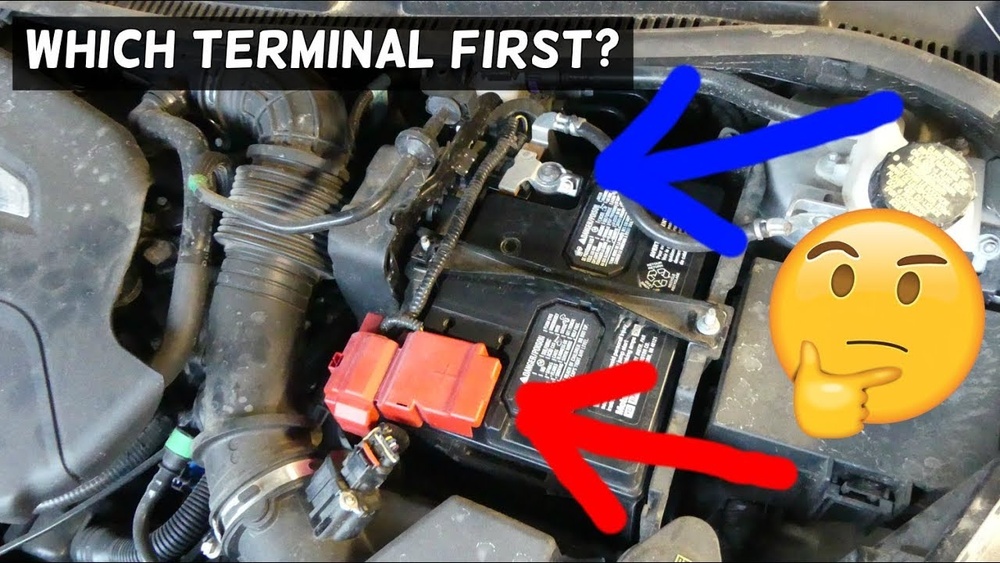
When Disconnecting a Car Battery Which Terminal First: Essential Safety Tips
When you need to disconnect your car battery, knowing which terminal to remove first can save you from sparks, damage, or even injury. It might seem like a simple task, but one wrong move could cause big problems.
You’ll learn the exact step-by-step process to safely disconnect your battery. By following these easy instructions, you’ll protect both yourself and your vehicle. Keep reading to find out the crucial details that many people overlook but you won’t have to.

Credit: www.tycorun.com
Why Terminal Order Matters
Disconnecting the negative terminal first helps prevent sparks and short circuits. This order keeps you safe and protects the car’s electrical system. Always follow the right steps to avoid damage or injury.
Disconnecting a car battery might seem simple. Yet, the order of terminals is very important. The right order protects you and your car’s electrical system. It stops sparks and short circuits.
When you remove the wrong terminal first, electricity can jump and cause shocks. This can damage your car’s electronic parts. It can also cause a small explosion or fire.
Following the correct order keeps the work safe and quick. It helps you avoid costly repairs and injury. Knowing why terminal order matters makes battery work safer and easier.
Disconnecting The Negative Terminal
Disconnecting the negative terminal of a car battery is the safest first step. This terminal is usually marked with a minus (-) sign and has a black cable. Removing it first helps prevent sparks and electrical shorts.
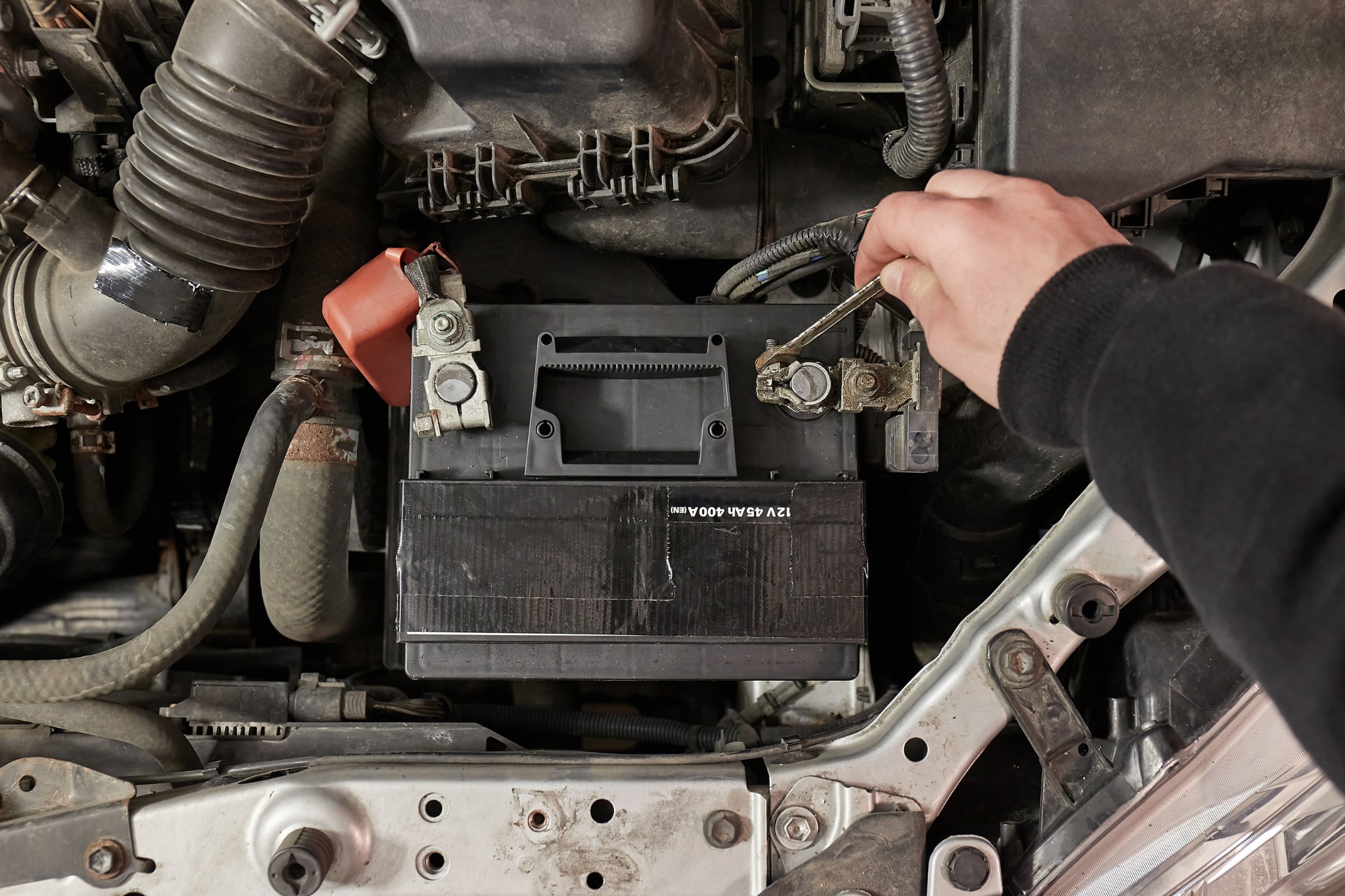
Start by turning off the car and all electrical accessories. Use a wrench to loosen the nut on the negative terminal clamp. Do not touch both terminals at the same time with metal tools.
Once the nut is loose, gently lift the cable off the battery post. Make sure the cable end does not touch the battery or any metal part. This stops accidental electricity flow.
Keep the negative cable away while working on the battery. This reduces the risk of electric shock or damage. Always handle the battery with care for safety.
Why Disconnect The Negative Terminal First?
Disconnecting the negative terminal first prevents short circuits. This terminal connects directly to the car’s metal frame. Removing it breaks the circuit and cuts power safely.
Tools Needed To Disconnect The Negative Terminal
You need a wrench or socket set that fits the terminal nut. Most cars use 10mm nuts. Wear gloves to protect your hands from acid or dirt.
Safety Tips During Disconnection
Wear eye protection to shield against sparks or acid splashes. Avoid touching the positive terminal with metal tools. Work in a well-ventilated area to avoid fumes.
Handling The Positive Terminal Safely
Handling the positive terminal of a car battery requires care and attention. This terminal carries a high voltage that can cause sparks or shocks. Taking the right steps ensures safety and protects both you and your vehicle.
Always disconnect the negative terminal first before touching the positive one. This reduces the chance of accidental short circuits. After the negative terminal is safe, focus on the positive terminal carefully.
Wear Protective Gear
Wear gloves and safety glasses before handling the positive terminal. These protect your skin and eyes from acid or sparks. Always work in a well-ventilated area.
Use The Right Tools
Use insulated tools to prevent electrical contact. A wrench with a rubber grip works best. Avoid using metal tools without insulation.
Loosen The Terminal Slowly
Loosen the bolt on the positive terminal slowly. Avoid sudden movements that may cause sparks. Hold the terminal clamp firmly while loosening.
Keep Metal Objects Away
Keep all metal tools and jewelry away from the positive terminal. Metal can cause a short circuit if it touches the battery post. Remove rings, watches, and bracelets before starting.
Store The Terminal Safely
After removing the terminal, place it where it cannot touch the battery or car frame. This prevents accidental reconnection or sparks. Cover it with a cloth or plastic cap for extra safety.
Credit: www.carparts.com
Additional Safety Tips For Battery Removal
Removing a car battery can be risky without the right safety steps. Follow these extra tips to avoid accidents and damage. Safety is key during battery removal. Protect yourself and your vehicle by sticking to these guidelines.
Wear Protective Gear
Always wear gloves and safety glasses. Batteries contain acid that can hurt your skin and eyes. Protect your hands and face to avoid burns or injuries.
Work In A Well-ventilated Area
Batteries can release harmful gases. Open windows or work outside to avoid breathing dangerous fumes. Good airflow keeps you safe.
Avoid Sparks And Flames
Do not smoke or use tools that cause sparks near the battery. Batteries can explode if exposed to flames or sparks. Stay clear of anything that might ignite.
Keep Metal Objects Away
Do not let metal tools touch both battery terminals at once. This can cause a short circuit or sparks. Use insulated tools when possible.
Secure The Vehicle
Turn off the engine and remove the keys. Engage the parking brake to stop the car from moving. This prevents accidents while you work.

Credit: www.youtube.com
Frequently Asked Questions
Which Car Battery Terminal Should Be Disconnected First?
Always disconnect the negative terminal first. This prevents sparks and short circuits during removal.
Why Disconnect The Negative Terminal Before The Positive?
Negative terminal is connected to the car’s chassis. Disconnecting it first reduces the risk of electric shock.
Can Disconnecting The Positive Terminal First Cause Damage?
Yes, it can cause sparks and short circuits. This may damage the car’s electrical system or battery.
How To Safely Reconnect Car Battery Terminals?
Reconnect the positive terminal first, then the negative. This order avoids electrical shorts and ensures safety.
Conclusion
Always disconnect the negative terminal first to stay safe. This simple step helps avoid sparks and short circuits. Next, remove the positive terminal carefully. Reconnecting follows the reverse order—positive first, then negative. Taking these precautions protects both you and your vehicle.
Remembering this order makes battery work easy and safe. Keep this tip in mind for any battery maintenance or replacement. Safety comes first when handling car batteries.