How Much Transmission Fluid Should Be on the Dipstick: Essential Guide
If you want your car’s transmission to run smoothly, knowing how much transmission fluid should be on the dipstick is crucial. Too little fluid can cause serious damage, while too much can lead to leaks and other problems.
But how can you tell if your transmission fluid is at the right level? You’ll learn exactly what to look for, why it matters, and how to check it properly. Keep reading to make sure your transmission stays healthy and your car drives like new.

Credit: community.cartalk.com
Checking Transmission Fluid Levels
Checking your transmission fluid levels is a key part of car maintenance. This fluid helps your transmission work smoothly. Low or high fluid levels can cause problems. It is important to check the levels regularly to avoid damage.
Checking the fluid is simple. It requires finding the dipstick, reading the fluid level, and spotting signs of low or high fluid. Here is how to do it right.
Locating The Dipstick
Open the car hood and look for the dipstick. It usually has a bright handle, often yellow or red. The dipstick is near the engine. It may say “transmission” on the handle. If you cannot find it, check your owner’s manual. Some cars have sealed transmissions without a dipstick.
Reading The Fluid Level
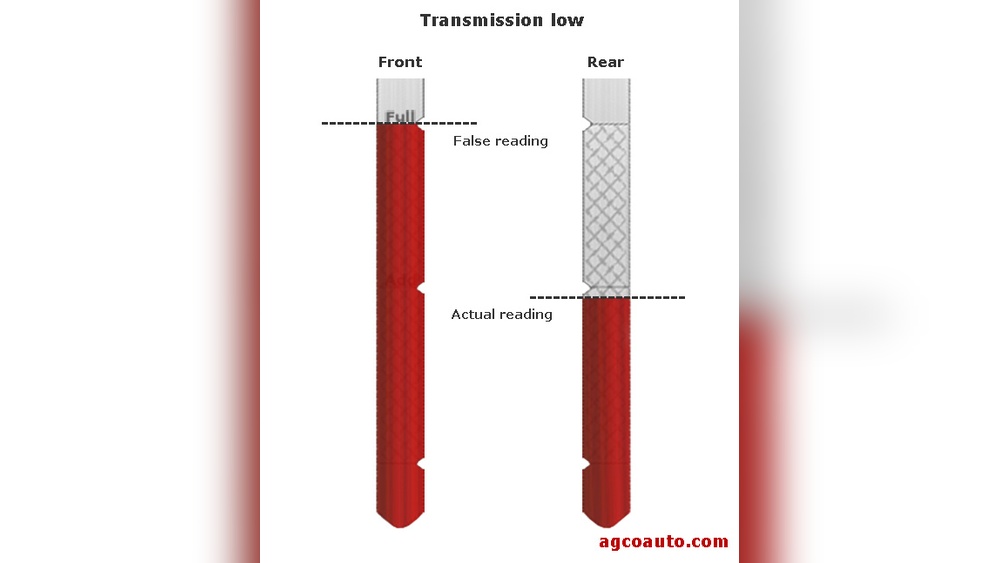
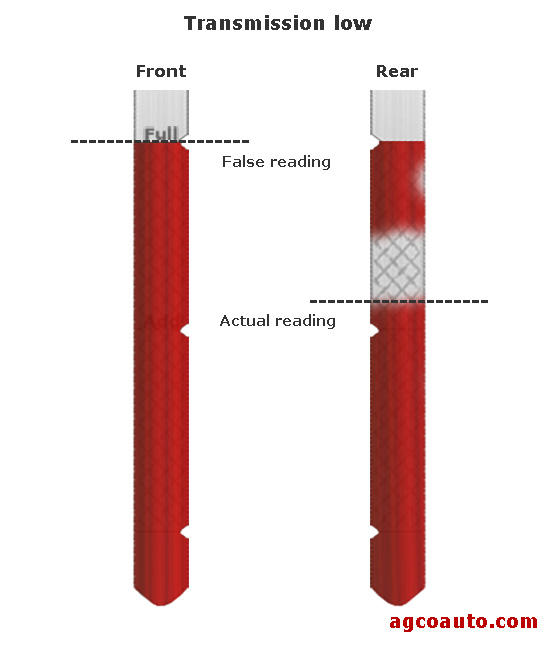
Pull the dipstick out carefully. Wipe it clean with a cloth. Insert the dipstick back all the way in. Pull it out again to check the fluid level. The fluid should be between the “full” and “add” marks. If it is below the mark, you need to add fluid. Be sure to use the correct type of transmission fluid.
Signs Of Low Or High Fluid
Low fluid can cause slipping gears or rough shifts. You might hear strange noises from the transmission. High fluid levels can lead to leaks or foaming. Foamy fluid looks bubbly and can harm the transmission. Check for any dark color or burnt smell. Healthy fluid is usually red or pink and clear.
Credit: www.agcoauto.com
Recommended Fluid Amounts
Knowing the right amount of transmission fluid on the dipstick is essential. Too much or too little fluid can cause problems. The recommended fluid amount varies by vehicle and manufacturer. Checking the correct level helps keep your transmission running smoothly. Below, we explore how manufacturers guide fluid levels and how vehicle types affect these amounts.
Manufacturer Guidelines
Manufacturers provide specific fluid level ranges for each vehicle model. These are often marked on the dipstick with “Full” and “Add” lines. Following these guidelines ensures the transmission has enough fluid to operate properly. The owner’s manual is the best source for exact fluid amounts and checking procedures. Some newer vehicles use sealed transmissions without dipsticks. For these, fluid levels are checked by a mechanic using special tools.
Variations By Vehicle Type
Different vehicles need different fluid amounts. Small cars usually require less fluid than trucks or SUVs. Heavy-duty vehicles might need more fluid due to larger transmissions. Automatic and manual transmissions also differ in fluid capacity. Understanding your vehicle type helps determine the right fluid level. Checking fluid regularly is important for all vehicles to avoid damage and maintain performance.
Adding Transmission Fluid
Adding transmission fluid is important to keep your car running smoothly. The right amount helps the transmission work well and lasts longer. Too little or too much fluid can cause problems. Follow simple steps to add fluid safely and correctly.
Choosing The Right Fluid
Use the fluid type recommended in your owner’s manual. Different cars need different kinds of transmission fluid. Using the wrong fluid can damage the transmission. Look for labels that match your vehicle’s requirements. Always buy from a trusted brand for quality and safety.
Proper Filling Techniques
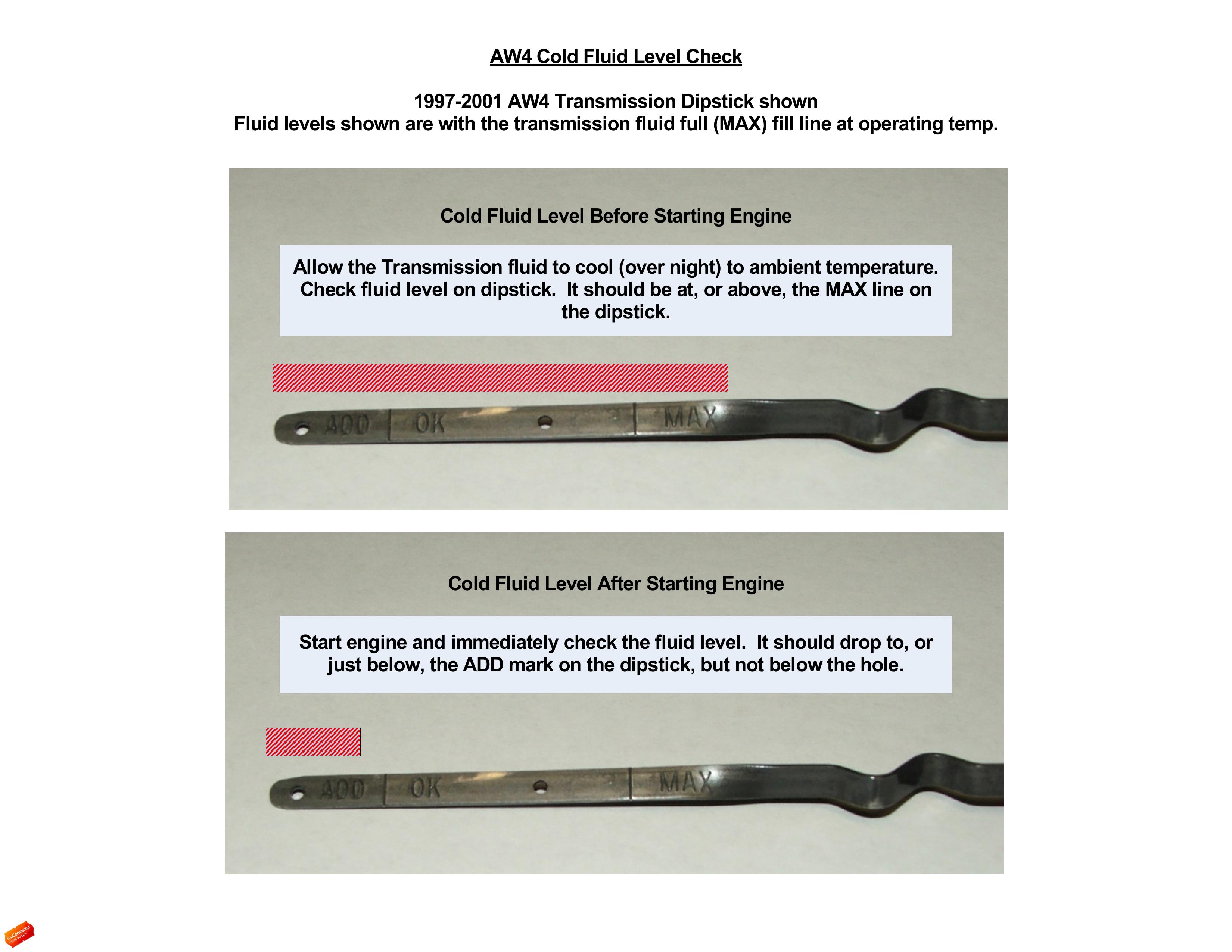
Park your car on a level surface and keep the engine warm. Remove the dipstick and wipe it clean. Add fluid slowly through the dipstick tube using a funnel. Check the level often to avoid overfilling. Stop adding fluid once it reaches the “Full” mark on the dipstick. Replace the dipstick securely before driving the car.
Credit: www.cherokeeforum.com
Common Transmission Fluid Issues
Transmission fluid is vital for your car’s smooth operation. It lubricates parts and helps shift gears. Problems with this fluid can cause serious car issues. Knowing common problems helps you maintain proper fluid levels and avoid costly repairs.
Issues often start with leaks or incorrect fluid levels. Both can affect how your transmission works. Pay close attention to your dipstick readings and fluid condition to keep your vehicle healthy.
Causes Of Fluid Leaks
Leaks happen due to worn seals or damaged gaskets. Over time, these parts can break down and let fluid escape. Loose or cracked transmission lines also cause leaks. Sometimes, the transmission pan gets dented or rusted. This can create small holes for fluid to leak out. Checking these parts regularly prevents fluid loss and keeps your transmission safe.
Effects Of Incorrect Fluid Levels
Too much or too little fluid harms your transmission. Low fluid causes poor lubrication and overheating. This leads to slipping gears and rough shifts. Too much fluid creates pressure inside the system. It may cause leaks or damage seals. Both extremes reduce transmission life and increase repair costs. Always keep the fluid level on the dipstick within the recommended range.
Frequently Asked Questions
How Do I Check Transmission Fluid Level On The Dipstick?
Pull out the transmission dipstick, wipe it clean, then reinsert it fully. Pull it out again and check where the fluid level reaches between the marks.
What Is The Ideal Transmission Fluid Level On The Dipstick?
The fluid level should be between the “Full” and “Add” marks on the dipstick. Too low or too high fluid can cause transmission problems.
How Often Should Transmission Fluid Be Checked Using The Dipstick?
Check your transmission fluid at least once a month or every few hundred miles. Regular checks help catch leaks or fluid issues early.
Can Overfilling Transmission Fluid Harm My Car?
Yes, too much transmission fluid can cause leaks or damage seals. Always keep the fluid level within the recommended range on the dipstick.
Conclusion
Checking transmission fluid on the dipstick is simple but important. The fluid level should fall between the “Full” and “Add” marks. Too little fluid can cause shifting problems or damage. Too much fluid can lead to leaks or foaming. Always check the level when the engine is warm and running, following your vehicle’s instructions.
Regular checks help keep your transmission healthy and your car running smoothly. Keep an eye on the dipstick to avoid costly repairs later. Simple steps, big difference.