Do You Need to Replace Ignition Coils With Spark Plugs: Essential Guide
Are you wondering if you need to replace your ignition coils when you change your spark plugs? It’s a common question that many car owners face.
Both parts play a crucial role in making your engine run smoothly, but do they wear out at the same time? If you get this wrong, you might spend more money than necessary or risk damaging your engine. Keep reading to find out exactly when and why you should replace your ignition coils along with your spark plugs—and save yourself time, money, and headaches down the road.

Credit: www.youtube.com
Role Of Ignition Coils And Spark Plugs
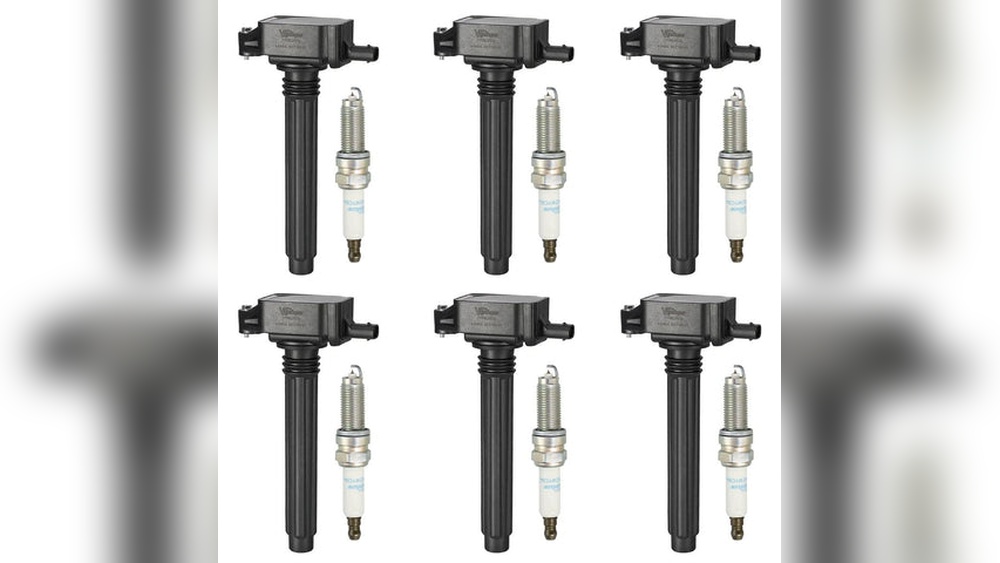
The ignition coils and spark plugs play key roles in your car’s engine. Both parts work together to start the engine and keep it running smoothly. Understanding their roles helps you know why you might need to replace one or both parts.
Ignition coils create the power needed for the spark plugs. Spark plugs use that power to light the fuel inside the engine. Without either part working well, your engine can misfire or stop running.
How Ignition Coils Work
Ignition coils take low voltage from the battery and turn it into high voltage. This high voltage is needed to create a spark. The coil sends this strong spark to the spark plugs.
Each coil connects to one or more spark plugs. When the coil works correctly, it ensures a strong spark to ignite the fuel. If a coil fails, the spark becomes weak or stops.
Function Of Spark Plugs
Spark plugs create a spark inside the engine’s cylinders. This spark lights the air-fuel mixture, causing the engine to run. Spark plugs need to be clean and in good condition to work right.
Worn or dirty spark plugs cause weak sparks or no spark at all. This leads to poor engine performance, rough idling, and higher fuel use. Regular checks keep spark plugs in good shape.
Signs Of Faulty Ignition Coils And Spark Plugs
Faulty ignition coils and spark plugs can cause many car problems. They affect engine performance and fuel efficiency. Detecting their issues early can save money and avoid breakdowns. Watch for clear signs that show these parts need attention.
Symptoms Of Ignition Coil Failure
Engine misfires often point to bad ignition coils. The car may shake or run rough. Starting the engine can become difficult. You might notice a drop in power during acceleration. Poor fuel economy is common with coil issues. The check engine light may turn on. Strange noises from the engine can also appear.
Symptoms Of Spark Plug Wear
Worn spark plugs cause slow or rough starts. The engine may hesitate or stall while driving. Fuel consumption tends to increase. The car can feel less powerful. Misfires and uneven engine running happen frequently. You might see black or dirty deposits on plugs. They also wear out over time and need replacing.
When To Replace Ignition Coils And Spark Plugs
Knowing when to replace ignition coils and spark plugs helps keep your car running smoothly. Both parts wear out over time and affect engine performance. Replacing them at the right time prevents engine misfires and poor fuel efficiency. Understanding the replacement intervals and the effect of driving conditions makes maintenance easier.
Replacement Intervals
Spark plugs usually last between 30,000 and 100,000 miles. The exact time depends on the type of spark plug used. Ignition coils often last longer but may need replacement around 100,000 miles. Always check your vehicle’s manual for specific guidelines. Regular inspection helps catch wear early and avoids damage.
Impact Of Driving Conditions
Harsh driving conditions can shorten the life of spark plugs and ignition coils. Frequent stop-and-go traffic, extreme temperatures, and dusty roads put extra stress on these parts. Short trips that don’t let the engine warm up fully also cause faster wear. Adjust replacement schedules based on your driving habits for best results.

Credit: stevesautorepairva.com
Replacement Tips And Maintenance
Replacing ignition coils and spark plugs helps keep your car running smoothly. Proper maintenance avoids engine problems and saves money. Knowing how to choose the right parts and deciding between DIY or professional replacement makes the process easier. This section shares simple tips for replacement and maintenance.
Choosing The Right Parts
Select parts that match your car’s make and model. Use original equipment manufacturer (OEM) parts for best fit and performance. Check the part number on your old ignition coil or spark plug. Avoid cheap, low-quality parts that wear out quickly. Quality parts improve engine efficiency and last longer. Read product reviews to find reliable brands.
Diy Vs Professional Replacement
Replacing spark plugs can be a simple task with basic tools. It may take 30 to 60 minutes depending on your car. Ignition coil replacement can be trickier due to tight spaces and wiring. Mistakes can cause engine damage or poor performance. Professionals have the skills and tools to do the job safely and quickly. Consider your comfort level and experience before attempting DIY. Safety first: disconnect the battery before starting work.

Credit: shop.advanceautoparts.com
Frequently Asked Questions
Do Ignition Coils Wear Out When Replacing Spark Plugs?
Ignition coils can wear out over time, but they don’t always fail with spark plugs. Check coils if your engine misfires after changing plugs. Regular inspection helps catch coil issues early.
Can Bad Ignition Coils Damage New Spark Plugs?
Bad ignition coils can cause spark plugs to wear faster or fail. Weak sparks from coils lead to poor combustion. Replace faulty coils to protect new spark plugs.
Should Ignition Coils And Spark Plugs Be Replaced Together?
Replacing both parts together is ideal but not always necessary. If coils show signs of damage, replace them with spark plugs. Otherwise, replacing just the spark plugs is fine.
How To Know If Ignition Coils Need Replacement?
Look for engine misfires, rough idling, or poor fuel economy. A check engine light can also signal coil problems. Testing coils with a multimeter confirms if replacement is needed.
Conclusion
Replacing ignition coils does not always mean changing spark plugs. Both parts wear out at different times. Check each part carefully for damage or wear. Fixing the right part saves money and keeps your car running well. Regular maintenance helps catch problems early.
Keep an eye on your engine’s performance. Clear, simple checks can prevent bigger issues. Remember, good care means a smoother ride and fewer surprises on the road.