Why are My Brakes Squeaking After I Just Changed Them: Expert Fixes
You just changed your brakes, expecting smooth, quiet stops, but instead, you’re hearing that annoying squeak every time you hit the pedal. It’s frustrating and makes you wonder if something went wrong or if your new brakes are already failing.
You’re not alone—many people face this issue and want to know why it happens and how to fix it. Keep reading to discover the surprising reasons behind squeaky brakes after a replacement and what you can do to silence that noise for good.
Common Causes Of Brake Squeaking
Brake squeaking right after changing pads can feel frustrating. It suggests something is not quite right. Many factors cause this noise. Understanding these can help you fix the problem quickly.
Brake squeaks often come from small issues during installation or part quality. Sometimes, the noise comes from the brake pads or the rotors. Other times, it happens because of missing grease or dirt buildup. Let’s explore the common causes of brake squeaking.
Improper Brake Pad Installation
Brake pads must fit perfectly. If they are loose or not seated well, they can squeak. Incorrect installation leads to uneven pressure on the pads. This causes vibration and noise when braking.
Sometimes, the clips or shims are missing or placed wrong. These small parts help keep pads steady. Without them, the pads move and create noise.
Brake Pad Material Issues
Not all brake pads are the same. Some use harder materials that can squeak more. Low-quality pads often cause noise because they don’t wear smoothly.
New pads might need a break-in period. Until then, they may make sounds. Pads with metal content often squeak louder than ceramic ones.
Lack Of Lubrication
Lubrication is crucial for smooth braking. The back of the brake pads and metal contact points need grease. Without it, metal parts rub together and squeak.
Using the right brake grease stops noise and wear. No lubrication means more friction and louder squeaks.
Rotor Surface Problems
Rotors must be clean and smooth. If the rotor surface is rough or has grooves, it causes noise. Warped rotors also lead to vibration and squeaking.
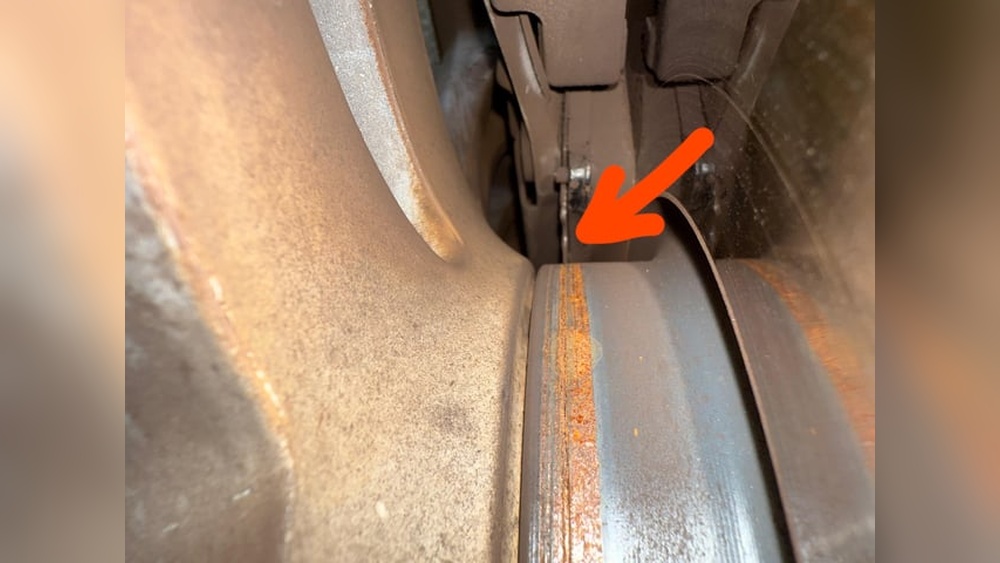
Sometimes, old rust or dirt stays on the rotor after pad change. This can create a squeak until cleaned or replaced.

Credit: www.wikihow.com
How Brake Components Affect Noise
Brake noise can be confusing, especially after changing the brake pads. Several parts inside the brake system can cause squeaking sounds. Knowing how these parts work helps to find the source of the noise. Some parts may need adjustment or cleaning to stop the squeak. Understanding these components makes brake maintenance easier.
Role Of Brake Calipers
Brake calipers hold the brake pads and push them onto the rotor. If calipers stick or do not move smoothly, they can cause noise. Worn or damaged caliper parts may make the pads drag on the rotor. This friction creates a squeaking or squealing sound. Proper caliper function is essential for quiet brakes.
Impact Of Brake Hardware
Brake hardware includes clips, shims, and springs. These parts keep the brake pads in place and reduce vibrations. Missing or damaged hardware can cause the pads to rattle. Loose pads often lead to squeaking noises. Installing all hardware correctly helps reduce unwanted sounds.
Effect Of Brake Dust And Debris
Brake dust builds up on pads, rotors, and calipers. Dirt and small debris can get trapped between brake parts. This causes friction and noise when braking. Cleaning brake components regularly removes dust and grime. Clean brakes work more quietly and last longer.
Quick Fixes To Stop Squeaking
Brake squeaking after a recent change can be annoying. Luckily, some quick fixes can help stop the noise fast. These simple steps often solve the problem without needing a mechanic.
Applying Brake Lubricant
Brake lubricant reduces friction between parts. Apply it to the back of the brake pads and caliper pins. This stops metal parts from rubbing loudly. Use only lubricant made for brakes to avoid damage.
Cleaning Brake Parts
Dirt and dust cause brakes to squeak. Clean the brake rotors, pads, and calipers with brake cleaner spray. Remove all grime and dust before reinstalling parts. Clean parts work smoothly and quietly.
Checking And Adjusting Brake Pads
Incorrectly placed brake pads cause noise. Check if the pads sit evenly on the rotor. Adjust or re-seat them to align properly. Loose pads can also cause squeaks; tighten any bolts or clips.

Credit: www.wikihow.com
When To Seek Professional Help
Brakes that keep squeaking after a recent change can signal deeper problems. Knowing when to seek expert help protects your safety and your car’s health. Some noises need a professional’s eye to stop.
Don’t ignore sounds that last longer than a day or two. A mechanic can check and fix hidden issues quickly.
Persistent Noise After Repairs
If the squeaking stays after brake replacement, something might be wrong. It could be poor installation or worn parts. Persistent noise is a clear sign to see a professional. They can diagnose the cause and prevent bigger damage.
Signs Of Brake Damage
Look for other warning signs like grinding, vibration, or reduced stopping power. These show brake damage that needs urgent repair. Driving with damaged brakes is risky. A mechanic can spot trouble early and keep you safe.
Importance Of Safety Inspections
Regular safety checks catch issues before they grow. Professionals inspect brake pads, rotors, and fluid levels. They ensure your brakes work well and quietly. Safety inspections protect you from accidents and costly repairs.
Credit: www.youtube.com
Frequently Asked Questions
Why Do My New Brakes Make A Squeaking Noise?
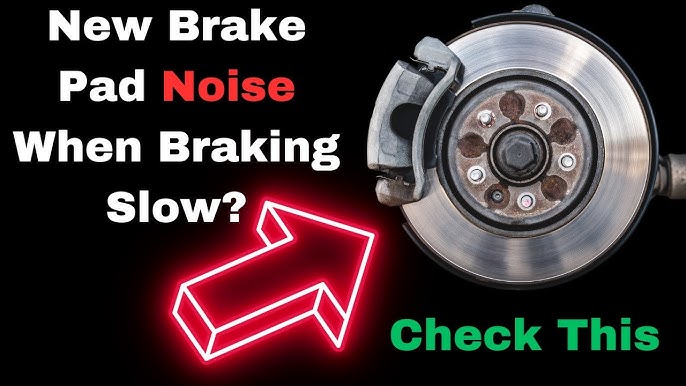
New brakes can squeak due to a thin layer of dust or rust on the rotors. Brake pads also need a short break-in period to stop making noise.
Can Improper Brake Installation Cause Squeaking Sounds?
Yes, incorrect installation can cause squeaking. Missing grease on backing plates or loose parts create noise during braking.
Does Brake Pad Material Affect Squeaking After Replacement?
Brake pads made of hard materials often squeak more than softer ones. Choosing the right pad type helps reduce noise.
How Long Should Brakes Stop Squeaking After Replacement?
Brakes usually stop squeaking after a few hundred miles of normal driving. Proper bedding-in helps pads and rotors fit better together.
Conclusion
Squeaking brakes after a change can feel worrying. Often, dust, moisture, or new pads cause the noise. Sometimes, the parts need time to settle in. Cleaning or adding lubricant can help stop the squeak. Always check if the brake parts fit well.
Ignoring the noise might lead to bigger problems. Keep an eye on your brakes for safety. Taking small steps can bring peace of mind. Your car will run smoother and quieter soon. Stay safe on the road by caring for your brakes.