Is It Normal for Brakes to Squeak After Changing Them? Expert Insights
Have you just changed your brakes and noticed a squeaking sound when you drive? You might be wondering if this noise is normal or a sign that something’s wrong.
The truth is, many people experience brake squeaks after a replacement, but not all squeaks mean trouble. Understanding why your brakes might make noise can save you from unnecessary worry and help you know when to take action. Keep reading to find out what causes brake squeaks and when you should be concerned about your safety.

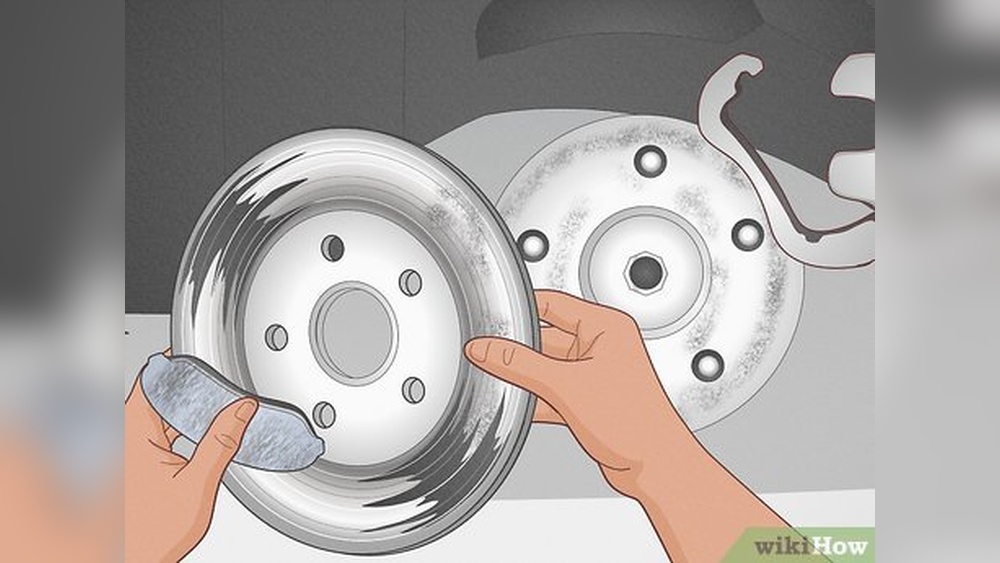
Credit: www.wikihow.com
Common Causes Of Brake Squeaking
Brake squeaking after a brake change is common. It can happen for several reasons. Knowing these causes helps you understand if the noise is normal or a problem.
Some causes are simple and easy to fix. Others may need a mechanic’s help. Here are the most common causes of brake squeaking.
Residual Dust And Debris
Brake dust and small debris can remain on the brake parts. Even after new pads are installed, leftover dust can cause squeaks. This dust creates friction and noise when brakes are applied. Cleaning the brake area can reduce or stop this sound.
Brake Pad Material
Different brake pads use various materials. Some materials are more likely to make noise. For example, metallic pads often squeak more than ceramic pads. New pads might need a short break-in time to stop squeaking. Choosing quieter materials helps reduce noise.
Improper Installation
Installing brakes incorrectly can cause squeaks. If pads are not placed properly, they may rub against parts unevenly. Loose or missing hardware also causes noise. Proper installation ensures parts fit well and work quietly. Always check the installation carefully.

Credit: www.youtube.com
When Squeaking Signals A Problem
Squeaking brakes after a change may not always be harmless. Some sounds warn of real trouble. Ignoring these noises can lead to bigger problems. Understanding when squeaks signal a problem helps keep your car safe and reliable.
Pay attention to the type and timing of the noise. Persistent or loud squeaks often mean something needs fixing. Here are common causes that require a closer look.
Worn Brake Components
Brake pads wear down over time. Thin or damaged pads cause squeaking. The noise comes from metal parts rubbing against the rotor. This signals the pads need replacing soon. Driving with worn pads can damage other brake parts.
Lack Of Lubrication
Brake parts need proper lubrication to work smoothly. Without it, parts rub and create noise. Caliper slides and backing plates often need grease. Lack of lubrication can cause squeaks even if pads are new. Regular maintenance prevents this problem.
Rotor Issues
Rotors can develop grooves or warps over time. Damaged rotors cause uneven contact with brake pads. This leads to noise and reduced braking power. New pads on old rotors may squeak until rotors get resurfaced or replaced. Check rotors if squeaks persist after a brake change.
How To Reduce Or Eliminate Brake Noise
Brake noise can be annoying after changing brake pads. This noise often happens because of dust, dirt, or friction. Reducing or stopping the noise is possible with some simple steps. These steps help your brakes work quietly and last longer.
Cleaning And Lubricating
Clean the brake parts carefully. Remove dust and dirt from the rotors and pads. Use a brake cleaner spray for best results. Apply a thin layer of brake lubricant on the back of the pads. Avoid putting lubricant on the pad surface. This process reduces friction noise and helps parts move smoothly.
Using Quality Brake Pads
Choose brake pads made from good materials. Cheap pads wear out quickly and make more noise. High-quality pads fit better and cause less squeaking. They also last longer and protect your rotors. Investing in better pads saves money and stress later.
Proper Bedding-in Process
New brake pads need a bedding-in period. This means gently using your brakes several times after installation. Avoid hard stops during this time. The pads and rotors create a smooth surface together. Proper bedding reduces noise and improves braking performance.
Credit: www.youtube.com
When To Seek Professional Help
Brakes may squeak after replacement, but some signs show a need for expert attention. Knowing when to seek professional help is crucial for safe driving. Watch for unusual sounds and brake behavior. Your safety depends on well-functioning brakes.
Persistent Noise After Maintenance
Squeaking that lasts beyond a few days needs checking. Constant noise may mean improper installation or worn parts. Professional mechanics can inspect and fix the issue quickly. Do not ignore lasting sounds from your brakes.
Unusual Brake Performance
Brakes that feel weak or grab suddenly require expert review. Poor performance can indicate problems with pads, rotors, or fluid. A mechanic can diagnose and repair these issues. Avoid driving with brakes that do not respond well.
Safety Concerns
Any brake issue affecting your car’s safety calls for immediate help. Strange noises combined with vibrations or pulling need urgent attention. Professionals ensure your brakes work properly to protect you and others. Always prioritize brake safety above all.
Frequently Asked Questions
Why Do Brakes Squeak After Being Replaced?
New brakes often squeak due to a thin layer of protective coating. This sound usually fades after driving for a short time. Dust or moisture can also cause temporary noise.
How Long Do Brake Squeaks Last After Replacement?
Brake squeaks typically stop within a few days of normal driving. If noise continues beyond a week, it may need inspection. Persistent squeaks might indicate an installation issue or worn parts.
Can Brake Squeaking Damage My Vehicle?
Squeaking itself usually doesn’t harm brakes or vehicle parts. It often signals normal wear or minor dust buildup. Ignoring constant loud noise, though, could risk brake performance.
Should I Use Lubricant To Stop Brake Squeaks?
Applying brake lubricant can reduce squeaks if used correctly. Only apply it on the back of brake pads, not the surface. Too much or wrong lubricant may cause more noise or damage.
Conclusion
Brake squeaking after a change is quite common at first. New pads and rotors need time to settle. Small noises usually fade after a few drives. Clean and properly installed brakes reduce most sounds. Persistent squeaks may signal a need for inspection.
Don’t ignore loud or constant noise while driving. Regular maintenance keeps your braking system safe and smooth. Knowing what to expect helps ease any worry. Stay alert and keep your brakes in good shape. Safe driving depends on well-functioning brakes every time.