How to Charge a Car Battery Without a Battery Charger: Easy DIY Methods
Imagine this: you’re ready to hit the road, but your car won’t start because the battery is dead. You don’t have a battery charger on hand, and help seems far away.
What do you do? Don’t panic. You can actually charge your car battery without a charger using some simple, safe methods. You’ll discover easy steps to bring your battery back to life quickly. Keep reading, because knowing these tricks could save you time, money, and a lot of frustration when you need it most.
Safety Tips Before Charging
Charging a car battery without a charger needs care and attention. Safety is the top priority. Batteries hold power and chemicals that can be dangerous. Taking proper steps can prevent accidents and injuries. Follow these important safety tips before starting.
Protective Gear To Wear
Wear safety glasses to protect your eyes from sparks. Use gloves to keep your hands safe from acid and electricity. Long sleeves and pants help avoid skin contact with battery acid. Avoid loose clothes that can catch on parts or wires.
Preparing The Car And Battery
Turn off the car and remove the keys from the ignition. Open the hood and find the battery. Clean any dirt or corrosion from the battery terminals with a brush. Make sure the battery is secure and won’t move during charging. Keep metal tools away from the battery terminals to avoid short circuits.
Avoiding Common Hazards
Work in a well-ventilated area to avoid harmful gas buildup. Do not smoke or use open flames near the battery. Avoid sparks by connecting cables carefully, starting with the positive terminal. Keep children and pets away from the work area. Always double-check connections before applying power.
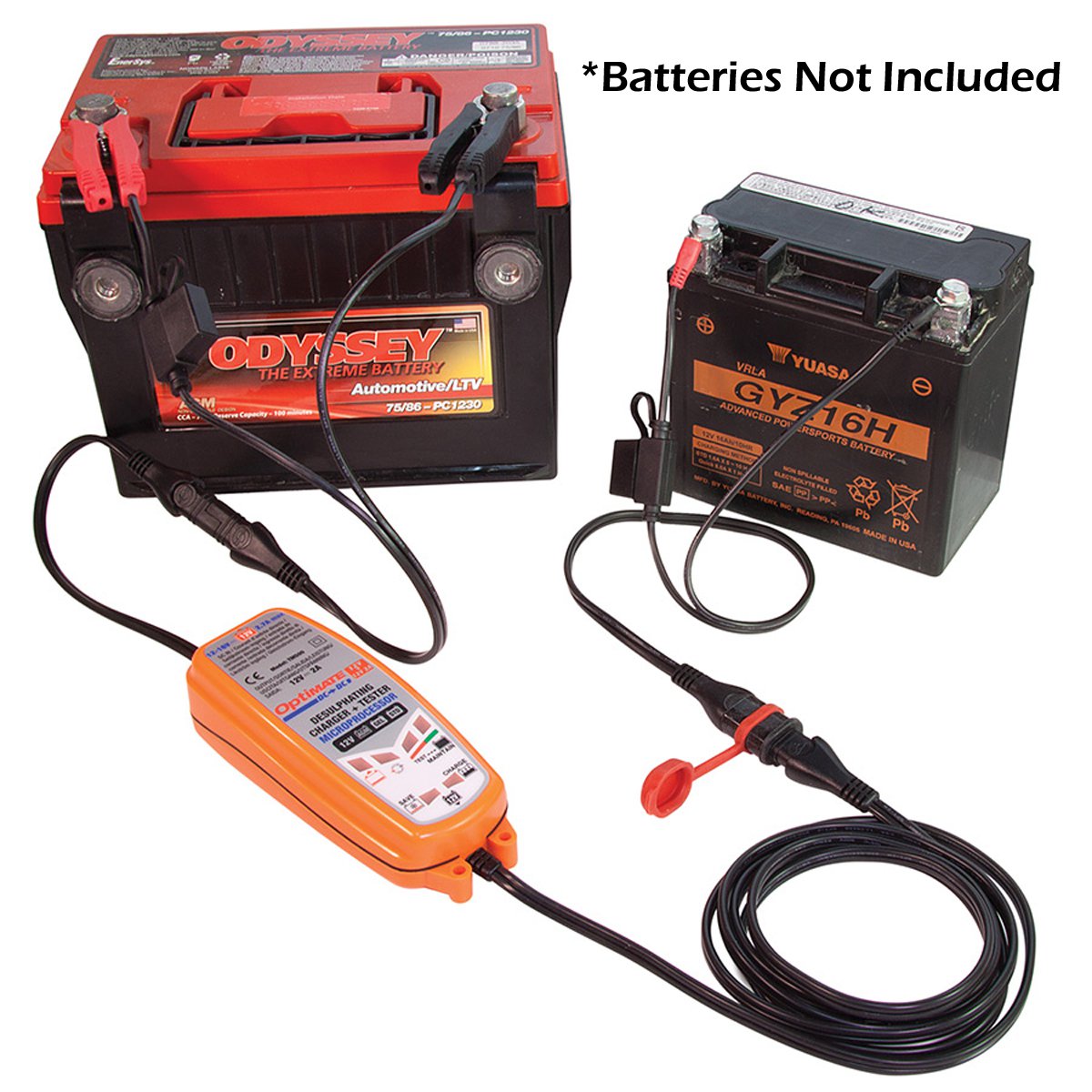
Credit: www.batterystuff.com
Using Jumper Cables With Another Vehicle
Using jumper cables with another vehicle is a common way to charge a dead car battery. This method relies on borrowing power from a working car to start your vehicle. It is a quick and effective solution when you do not have a battery charger. Safety is important throughout the process to avoid damage or injury.
Identifying Proper Connection Points
First, locate the batteries in both cars. Most car batteries have two terminals: positive (+) and negative (–). The positive terminal is usually red or marked with a plus sign. The negative terminal is black or marked with a minus sign. Connect the jumper cables only to these terminals. Avoid touching the cable clamps together during the process.
Step-by-step Jump Start Process
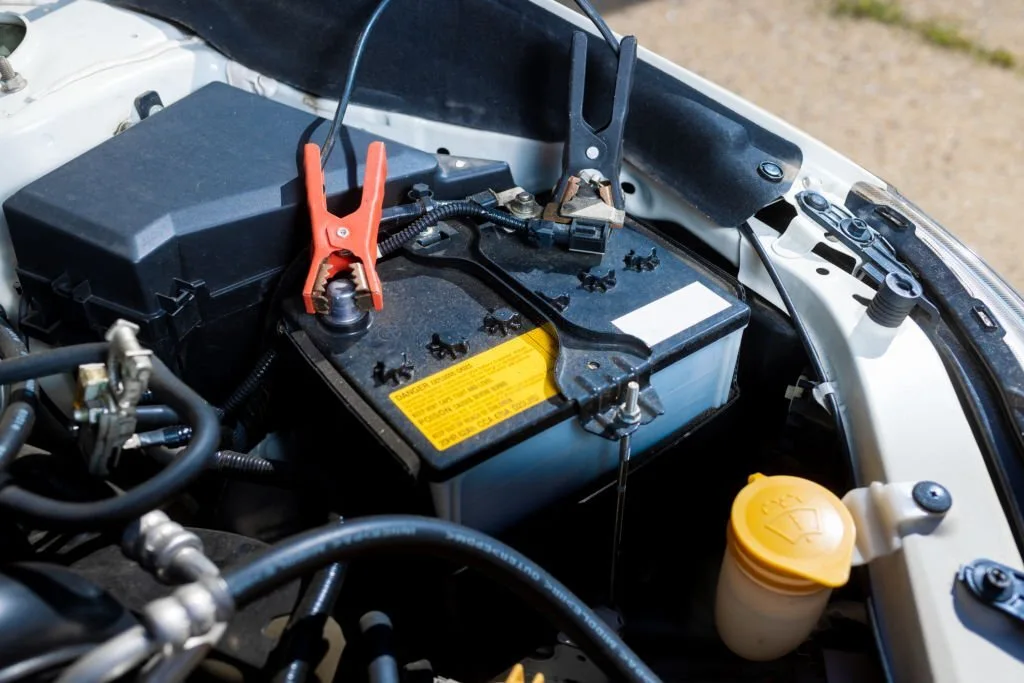
Park the working vehicle close to the dead car, but do not let them touch. Turn off both cars before connecting cables. Attach one red clamp to the dead battery’s positive terminal. Connect the other red clamp to the positive terminal of the working battery. Next, connect one black clamp to the negative terminal of the working battery. Finally, attach the other black clamp to an unpainted metal surface on the dead car’s engine. This acts as a ground and reduces spark risk. Start the working car and let it run for a few minutes. Then, try to start the dead car. Once it starts, remove the cables in reverse order.
Precautions During Jump Starting
Wear safety glasses and gloves if possible. Avoid smoking or open flames near the batteries. Ensure the cables are in good condition without exposed wires. Double-check the clamp connections for secure attachment. Do not lean over the batteries during the process. If the dead car does not start after a few attempts, stop and seek professional help. Jump starting incorrectly can damage the vehicle’s electrical system.
Charging With A Diy Power Source
Charging a car battery without a charger may sound tough. Using a DIY power source can help in such situations. This method uses common items to provide power safely. It is a handy skill during emergencies or when no charger is nearby. Let’s explore simple ways to charge your car battery using DIY power sources.
Using A Portable Power Bank
A portable power bank can give your car battery a small boost. Choose one with a 12-volt output to match the car battery. Connect the power bank’s positive terminal to the battery’s positive post. Then, connect the negative terminal to the battery’s negative post. Keep the connections secure and avoid sparks. This method works best for a slow, gentle charge.
Creating A Makeshift Charger
You can create a simple charger using a 12V power supply or old laptop adapter. Use wires with alligator clips to attach the power source to the battery terminals. Attach the positive clip to the battery’s positive post. Attach the negative clip to the battery’s negative post or a metal ground. Ensure the power supply voltage matches the battery voltage. Monitor closely to avoid overheating or damage.
Monitoring Charging Progress
Careful monitoring is key to safe charging. Check the battery voltage with a multimeter every 15 minutes. Look for signs of overheating, swelling, or leaking. Stop charging if the battery gets too hot or shows damage. Never leave the battery unattended during the charging process. Safe steps help extend battery life and prevent accidents.
Credit: www.swbatteries.com.au
Alternative Methods To Boost Battery
Sometimes, a car battery dies, and no charger is nearby. Alternative methods can help boost the battery enough to start the car. These methods use simple tools or techniques that anyone can try. They are useful in emergencies or when standard chargers are unavailable.
Manual Crank Starters
Manual crank starters are old but effective tools. They work by turning the engine manually to generate power. You attach the crank to the engine’s crankshaft and turn it by hand. This motion helps create a spark to start the engine. It requires some strength and care to avoid injury. This method is best for small engines or older cars.
Solar Panel Charging Options
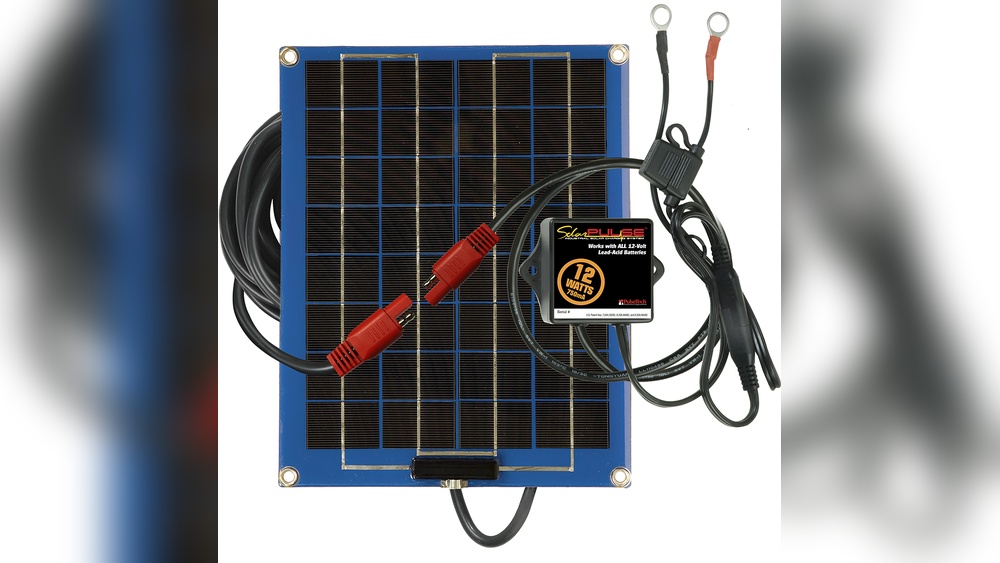
Solar panels offer a green way to charge a battery. Small, portable solar panels can connect directly to the battery terminals. They slowly provide power using sunlight. This method takes time but works well if the car can wait. Solar panels are silent and need no fuel. This option is good for remote areas or sunny days.
Towing And Push Start Techniques
Towing or push starting can jump-start a car without a charger. For manual transmission cars, push the car to gain speed. Release the clutch quickly to start the engine. Towing uses another vehicle to pull the car, then the driver tries to start it. Both methods depend on road conditions and help restart the battery. Always ensure safety before trying these techniques.
Credit: riiroo.com
Frequently Asked Questions
How Can I Charge A Car Battery Without A Charger?
You can use jumper cables and another car’s battery to charge your battery. Connect positive to positive and negative to a metal part of the car. Let the working car run for a few minutes to charge the dead battery.
Is It Safe To Charge A Battery Using A Car’s Alternator?
Yes, charging with a car’s alternator is safe if done carefully. Start the engine and keep it running to charge the battery slowly. Avoid turning off the engine until the battery has enough power.
Can Solar Panels Charge A Car Battery Without A Charger?
Small solar panels can charge a car battery slowly in sunlight. They work best for maintaining charge rather than quickly charging a dead battery. Use a solar charge controller to protect the battery.
How Long Does It Take To Charge A Battery Without A Charger?
Charging time depends on the method and battery size. Using jumper cables can take 10-15 minutes to get enough power to start the car. Solar or alternator charging may take several hours for a full charge.
Conclusion
Charging a car battery without a charger is possible with care. Always follow safety steps to avoid risks. Use tools like jumper cables or a running car battery. Check connections to ensure they are tight and clean. Never rush the process; patience is key.
This method can save time in emergencies. Keep your battery healthy by regular checks. Stay safe and confident when handling car batteries.