What Does the Yellow Exclamation Mark Mean in My Car: Urgent Warning Explained
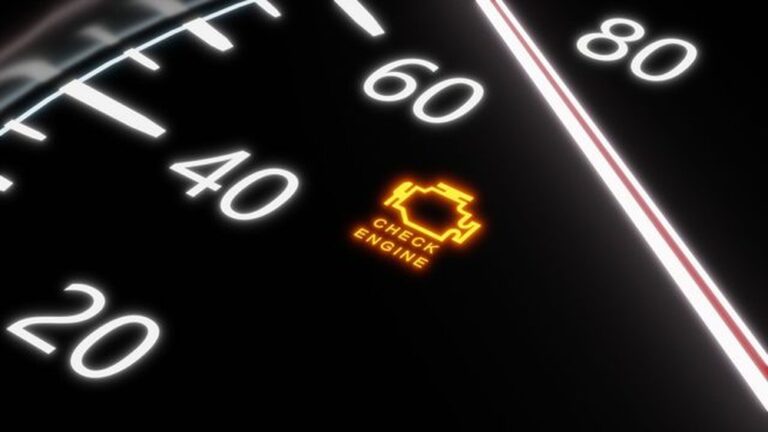
Have you ever glanced at your car’s dashboard and noticed a yellow exclamation mark glowing at you? It can be confusing and a bit unsettling, right?
That little symbol is your car’s way of telling you something needs your attention—but what exactly does it mean? You might wonder if it’s an emergency or something you can safely ignore for now. Understanding this warning light can save you time, money, and even keep you safe on the road.
Keep reading to find out what that yellow exclamation mark means and what steps you should take next to keep your car running smoothly.
Tire Pressure Warning Light
The Tire Pressure Warning Light signals a problem with your car’s tire pressure system. It alerts you that one or more tires may have low air pressure. Proper tire pressure is essential for safe driving and better fuel efficiency. Ignoring this warning can lead to poor handling and increased tire wear. Understanding this light helps you maintain your vehicle and stay safe on the road.
What The Symbol Looks Like
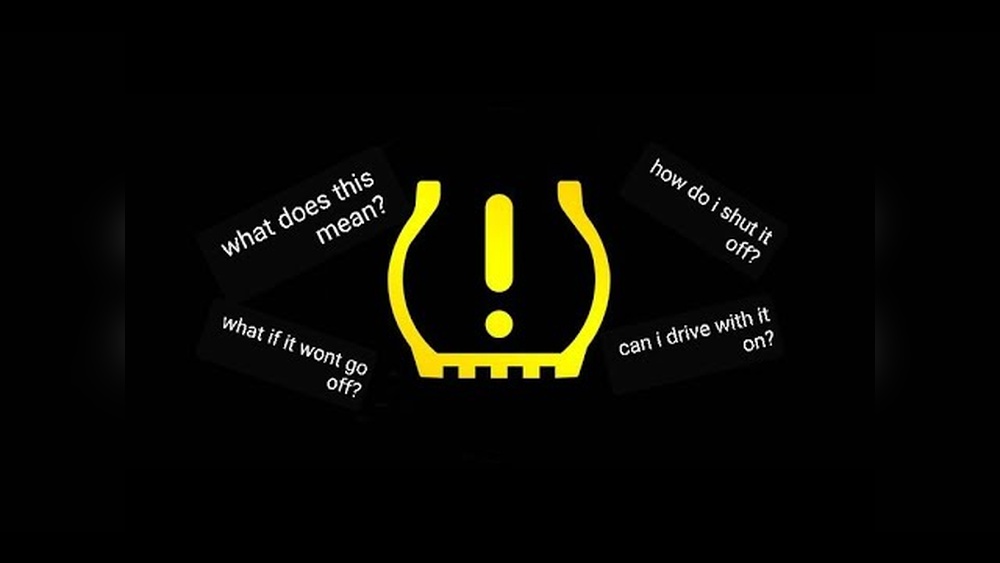
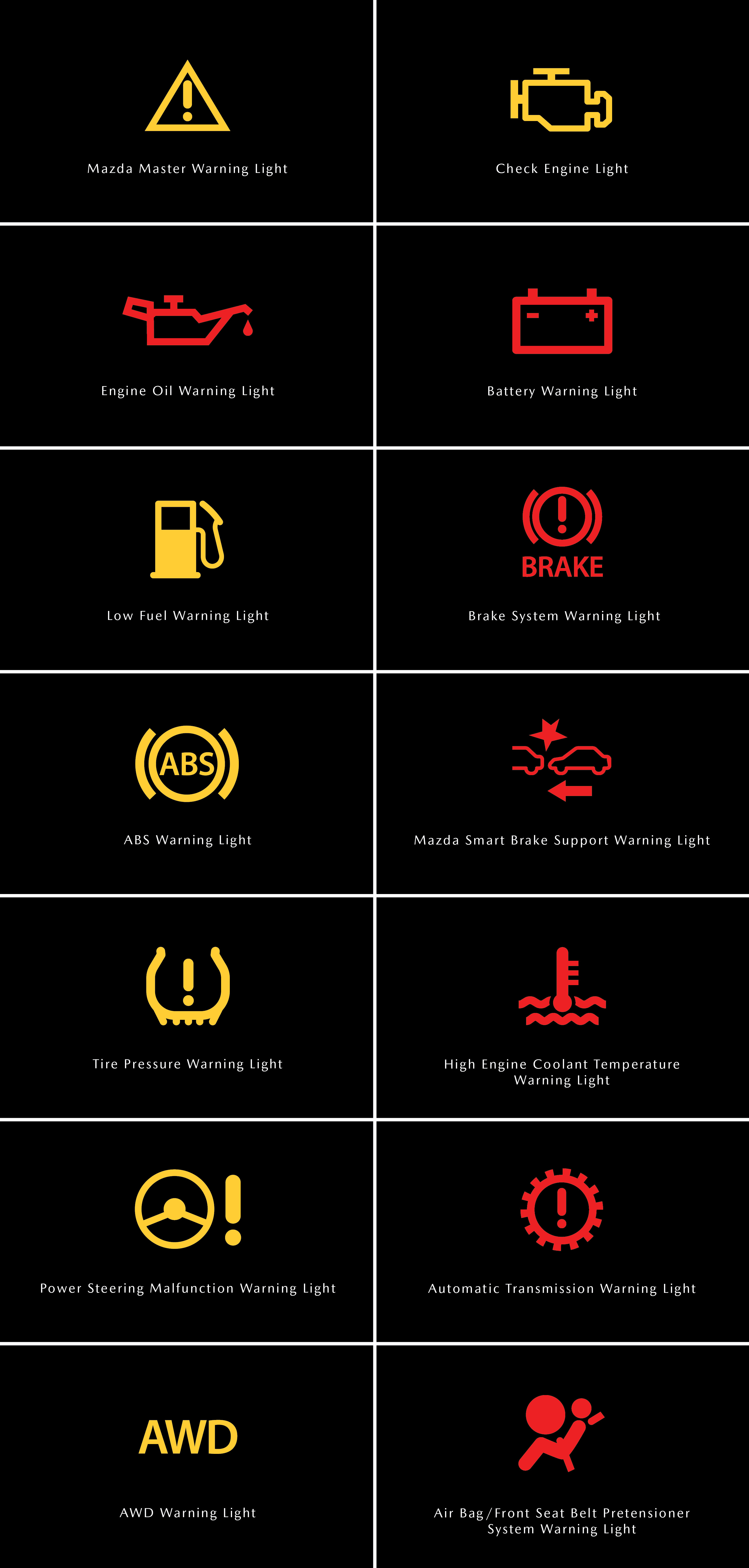
The symbol shows an exclamation mark inside a horseshoe shape. This shape represents a flat tire from a side view. The color is usually yellow or amber. It may appear on the dashboard when tire pressure is low. Some cars also display the warning with the letters “TPMS” nearby.
How Low Tire Pressure Affects Driving
Low tire pressure reduces traction and vehicle control. It can cause longer stopping distances and poor cornering. Tires with low air pressure wear out faster and unevenly. It also lowers fuel efficiency, making your car use more gas. Driving with underinflated tires increases the risk of tire blowouts. This makes your trips less safe and more expensive.
Steps To Fix Tire Pressure Issues
Check your tire pressure using a reliable gauge. Compare the readings to the recommended pressure in your owner’s manual. Inflate tires to the correct level at a service station or with a home air compressor. Inspect tires for visible damage like cuts or punctures. If the warning light stays on, have the system checked by a mechanic. Regularly check your tire pressure to avoid future warnings.
Abs Warning Indicator
The ABS warning indicator is a key dashboard symbol related to your car’s braking system. ABS stands for Anti-lock Braking System, which helps prevent wheel lock-up during sudden stops. When the yellow exclamation mark lights up, it signals a potential issue with this system. This warning means your ABS may not work properly, affecting your car’s safety.
Understanding this indicator can help you respond correctly. It does not usually mean the entire braking system has failed, but it calls for attention. Ignoring it can lead to less control when braking on slippery roads.
Difference Between Red And Yellow Exclamation
The color of the exclamation mark matters. A red exclamation mark often means a serious brake problem. It could indicate low brake fluid or the parking brake is engaged. This requires immediate action.
The yellow exclamation mark is less urgent but still important. It usually points to an ABS issue, not a full brake failure. Your normal brakes still work, but ABS might not activate during hard braking.
Common Causes Of Abs Alerts
Several reasons can trigger the yellow ABS warning light. A faulty wheel speed sensor is a common cause. These sensors monitor wheel movement for the ABS system.
Damaged wiring or a blown fuse can also cause the warning. Low brake fluid sometimes triggers the light, even if the brakes feel normal. Another cause is a malfunction in the ABS control module.
When To Seek Professional Help
Visit a mechanic as soon as the yellow ABS light appears. They can run diagnostics to find the exact problem. Driving with a faulty ABS increases risk in emergency stops.
If the red brake warning light comes on, stop driving immediately. For yellow ABS alerts, avoid harsh braking and get the system checked soon. Timely repairs keep your car safe and reliable.
General System Alerts
The yellow exclamation mark on your car’s dashboard signals a general system alert. It warns you that something needs attention but isn’t an emergency. This alert helps you catch issues early to avoid bigger problems. You should check the specific system related to the warning soon.
Many systems in your vehicle use this symbol to show a warning. Understanding what each alert means can help you respond correctly. The yellow exclamation mark is often linked to safety or maintenance systems, like tire pressure or braking.
Other Systems That Use Exclamation Marks
The yellow exclamation mark appears in several systems. It commonly shows in the tire pressure monitoring system. Low tire pressure triggers this alert to keep you safe on the road. Another system is the Anti-lock Braking System (ABS). If ABS has a fault, the light will turn yellow to warn you.
Some cars use this mark for traction control or stability control alerts. It may also show for general system malfunctions that do not require immediate stopping. Knowing which system uses the exclamation mark helps you find the problem quickly.
Interpreting Flashing Vs. Solid Lights
A solid yellow exclamation mark means a problem exists but is not urgent. You can continue driving but should get the vehicle checked soon. A flashing yellow light means a more urgent issue. It signals a system fault that needs attention as soon as possible.
Flashing lights often warn of safety-related concerns. Ignoring them can lead to further damage or unsafe driving conditions. Always treat flashing exclamation marks with higher priority than solid ones.
What To Do When Multiple Warnings Appear
Sometimes, more than one warning light will come on at once. This can mean multiple systems need attention or a single issue affects several systems. Start by checking the car manual to identify each warning light.
Focus on the most critical alerts first, especially if any lights are red. Schedule a service appointment promptly to diagnose and fix all issues. Avoid driving long distances with multiple warnings active to prevent damage or safety risks.

Credit: www.youtube.com
Driving With The Warning Light On
Seeing a yellow exclamation mark light on your dashboard can be unsettling. This warning symbol signals that your vehicle needs attention. Driving with this light on requires caution and awareness. Understanding what this light means helps you make safer decisions on the road.
Is It Safe To Continue Driving?
The yellow exclamation mark usually means a non-critical issue. Most of the time, it relates to tire pressure or a minor system alert. You can drive short distances but avoid long trips. Keep your speed moderate and watch for changes in vehicle behavior. Plan to check the problem soon to prevent further damage.
Risks Of Ignoring The Warning
Ignoring the yellow exclamation mark can lead to bigger problems. Low tire pressure can cause poor handling and increased tire wear. Other system warnings may affect safety features, like brakes or stability control. Small issues can quickly turn into costly repairs. Your car’s performance and safety may decline over time.
When To Pull Over Immediately
Not every yellow exclamation mark is urgent, but some signs need immediate attention. Pull over if you notice unusual sounds, smells, or smoke. Also stop if the car pulls to one side or the brake feels weak. Use hazard lights to alert other drivers. Call for roadside assistance if unsure about continuing to drive.
Preventive Maintenance Tips
Preventive maintenance keeps your car safe and reliable. It stops small issues from becoming costly repairs. Paying attention to warning signs, like the yellow exclamation mark, helps you act early. Simple checks save time and money. Follow these tips to maintain your vehicle’s health.
Regular Tire Pressure Checks
Low tire pressure often triggers the yellow exclamation mark. Check tire pressure at least once a month. Use a tire gauge for accurate readings. Inflate tires to the manufacturer’s recommended level. Proper tire pressure improves fuel efficiency and tire life. It also ensures better handling and safety on the road.
Brake System Inspections
The yellow warning light may also signal brake issues. Inspect brake pads and fluid regularly. Listen for unusual noises when braking. Replace worn brake pads promptly. Check brake fluid levels and top off if needed. Well-maintained brakes prevent accidents and costly repairs.
Using Diagnostic Tools At Home
Home diagnostic tools help identify problems early. Many affordable scanners plug into your car’s OBD-II port. They read error codes linked to warning lights. This lets you know the exact issue. Use the tool before visiting a mechanic. It saves time and helps you understand your car better.
Credit: www.bergemazda.com

Credit: www.reddit.com
Frequently Asked Questions
How To Fix Yellow Exclamation Mark On Car?
Check tire pressures and inflate any low tires to the recommended levels. Reset the tire pressure monitoring system if needed. If the light persists, inspect the ABS system or consult a mechanic.
Can I Drive With The (!) Light On?
You can drive with the (!) Light on, but do not ignore it. Check tire pressure or braking system soon.
Can I Drive With A Yellow Exclamation Point?
A yellow exclamation point warns of low tire pressure or ABS issues. You can drive but fix the problem soon. Check and inflate tires to the recommended pressure. Don’t ignore this warning to ensure safety and avoid further damage.
What Does (!) Mean On My Car Dashboard?
The (!) Symbol on your car dashboard usually indicates low tire pressure or an issue with the Anti-lock Braking System (ABS). Check tire pressures and brake fluid levels promptly. Addressing this warning helps maintain safety and vehicle performance.
What Does The Yellow Exclamation Mark On My Dashboard Mean?
The yellow exclamation mark usually signals low tire pressure or a minor system issue. It warns you to check tires or other vehicle functions soon.
Conclusion
The yellow exclamation mark warns you to check your car soon. It often means low tire pressure or a minor system issue. Driving with this light on is usually safe, but don’t ignore it. Address the problem to avoid bigger repairs or safety risks.
Keep your vehicle in good shape by paying attention to dashboard warnings. Staying alert helps you drive safely and avoid unexpected breakdowns. Remember, small issues can become big problems if left unchecked.