How Can You Tell If Odometer Has Been Tampered With: Key Signs
Have you ever wondered if the car you’re about to buy is really telling the truth about its mileage? Odometer tampering is a sneaky trick that can cost you thousands of dollars and leave you with unexpected problems.
But how can you tell if an odometer has been tampered with before it’s too late? You’ll discover simple, practical ways to spot the signs of mileage fraud. Knowing these tips will help you protect your investment and avoid getting tricked.
Keep reading—your next car purchase depends on it.

Credit: www.youtube.com
Check The Odometer Numbers
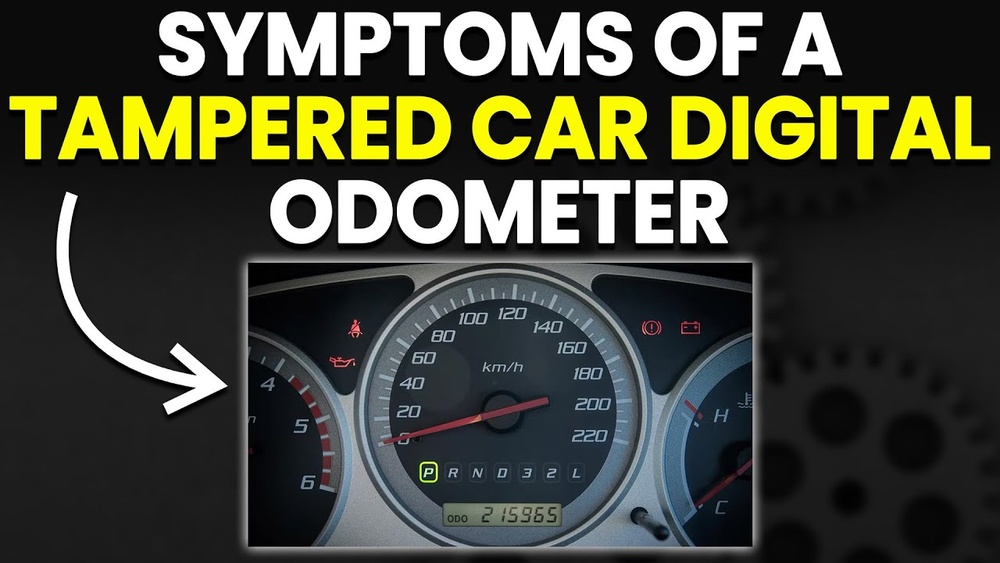
Checking the odometer numbers is a key step in spotting tampering. The odometer shows the total miles a car has driven. Any changes here can hide the true use of the vehicle.
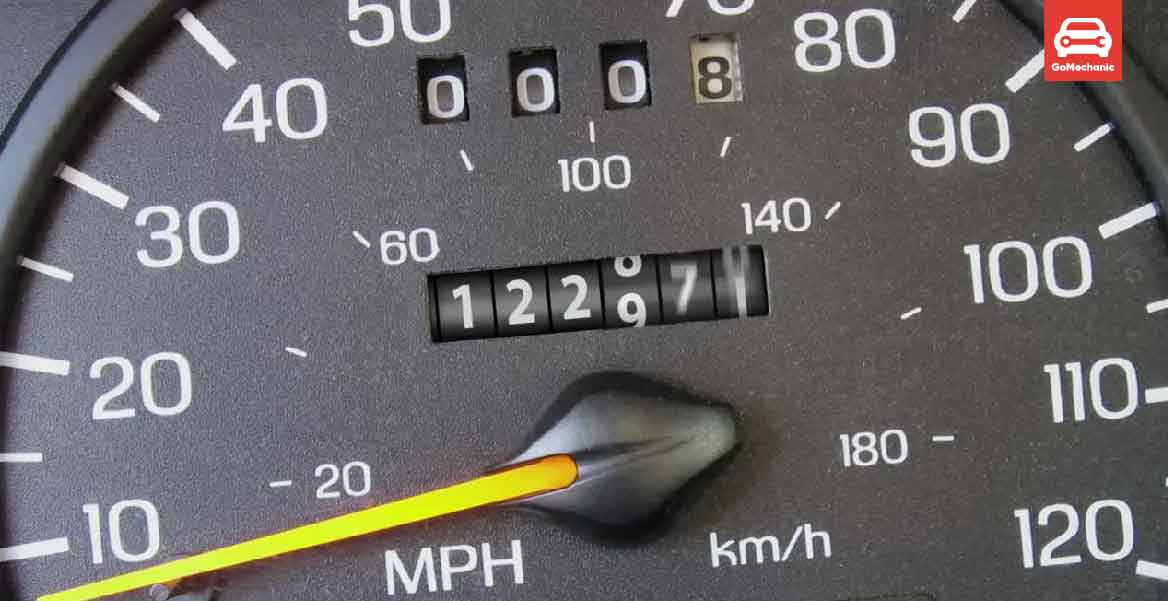
Look closely at the numbers on the odometer. They should line up perfectly without gaps or scratches. Uneven or crooked digits may mean someone tried to roll back the mileage.
Look For Misaligned Or Loose Numbers
Numbers that are not aligned neatly might have been tampered with. Loose or shaky digits can show signs of manual spinning or rolling back.
Check For Scratches Or Wear Around The Display
Scratches near the odometer suggest it was opened or altered. Normal wear should be consistent with the car’s age and use.
Compare The Odometer Reading To The Vehicle Age
Very low miles on an old car can be suspicious. The mileage should fit what you expect for the car’s age and condition.
Look At The Last Digit Carefully
The last digit is the easiest to roll back. If it looks off or different, the odometer may be fake.
Credit: gomechanic.in
Inspect The Dashboard For Irregularities
Inspecting the dashboard is a simple way to check for odometer tampering. The dashboard holds clues that may reveal if the mileage has been altered. Small details can show signs of tampering. Pay close attention to these details.
Look closely at the numbers on the odometer. They should line up evenly. Numbers that are crooked or do not match the rest may be a sign of tampering. Mechanical odometers might have uneven digits if rolled back.
Examine The Dashboard Lights
The dashboard lights should work as expected. A flickering or missing light near the odometer can suggest recent tampering. Lights that don’t come on during startup may mean the dashboard was removed or changed.
Look For Scratches Or Loose Panels
Check for scratches around the dashboard or odometer area. Loose or misaligned panels can mean someone opened the dashboard. These marks may indicate attempts to access the odometer.
Compare The Odometer To The Trip Meter
The trip meter resets, but it should not show higher mileage than the odometer. If the trip meter shows more miles, it might mean the odometer was rolled back. This is a subtle but important detail.
Compare Vehicle History Reports
Comparing vehicle history reports is a smart way to check an odometer’s truthfulness. These reports hold key details about the car’s past mileage records. They help spot any strange changes or inconsistencies.
Vehicle history reports collect data from many sources. Service shops, state agencies, and insurance companies all share mileage info. This makes the report a reliable source for checking odometer accuracy.
Check For Mileage Inconsistencies
Look for mismatched numbers in different reports. If mileage goes down or jumps up suddenly, that raises a red flag. Honest odometers usually show steady, logical increases over time.
Compare Service And Inspection Records
Service records often list the car’s mileage during repairs. Compare these numbers with the current odometer reading. Differences might suggest tampering or errors in reporting.
Review Title And Registration Data
Title changes and registration renewals also show mileage figures. Examine these for signs of rollback or alteration. A sudden drop in mileage here is a warning sign.
Use Multiple Report Providers
Check reports from different companies for a fuller picture. Each provider may have unique records, adding layers of verification. Consistent mileage across all reports means less chance of tampering.
Examine Wear And Tear
Examining wear and tear can reveal signs of odometer tampering. The idea is to check parts of the car that match the mileage. These parts wear down naturally over time.
Low mileage should show less wear. High mileage means more use and more damage. If wear and mileage don’t match, the odometer might be altered.
Check The Pedals
Look at the brake, clutch, and gas pedals. Worn pedals mean the car has been driven a lot. New or little worn pedals may not match a high mileage reading.
Inspect The Steering Wheel
Steering wheels get shiny or smooth with use. A rough or new-looking wheel can mean low miles. This might not fit with a high odometer number.
Look At The Seats And Carpets
Seats and carpets wear down with time. Cracks, tears, or faded fabric show heavy use. New-looking interiors with high miles can be suspicious.
Examine The Gear Shift
The gear shift knob wears out from frequent handling. A clean, new gear shift means less use. This may not match a high mileage claim.
Review Maintenance And Service Records
Reviewing maintenance and service records helps verify a car’s true mileage. These documents show the odometer reading at different times.
Regular service records usually list the mileage. They help spot any sudden drops or strange changes.
Check For Consistent Mileage Entries
Look for a steady increase in mileage over time. Large drops or repeated low numbers can indicate tampering.
Compare Service Dates And Mileage
Make sure the dates and mileage make sense together. A car cannot go backward in mileage between services.
Look For Missing Or Altered Records
Missing records or pages could hide odometer changes. Altered or unclear handwriting may also raise doubts.
Verify With Official Service Centers
Ask for service history from authorized dealers. They keep accurate records linked to your car’s VIN.
Look For Signs Of Physical Tampering
Checking for physical tampering is a key step in spotting odometer fraud. It involves examining the odometer closely for any signs that someone tried to alter the mileage.
Physical tampering often leaves clues. These clues can help you decide if the odometer reading is real or not. Here are some common signs to watch for.
Loose Or Misaligned Numbers
Check if the numbers on the odometer line up properly. Numbers that are crooked or not perfectly aligned may indicate tampering. The digits should be evenly spaced and straight.
Scratches Or Tool Marks Around The Odometer
Look for scratches, scuffs, or marks near the odometer’s edges. These marks may show where tools were used to open or change the device. Clean, untouched surfaces are normal.
Foggy Or Scratched Glass Cover
The glass or plastic cover over the odometer should be clear and smooth. If it looks scratched, foggy, or replaced, someone might have accessed the odometer.
Inconsistent Dashboard Panel
Check if the dashboard panel fits well around the odometer. A loose or uneven panel may mean it was removed or replaced to alter the mileage.
Unusual Sounds When The Odometer Rolls
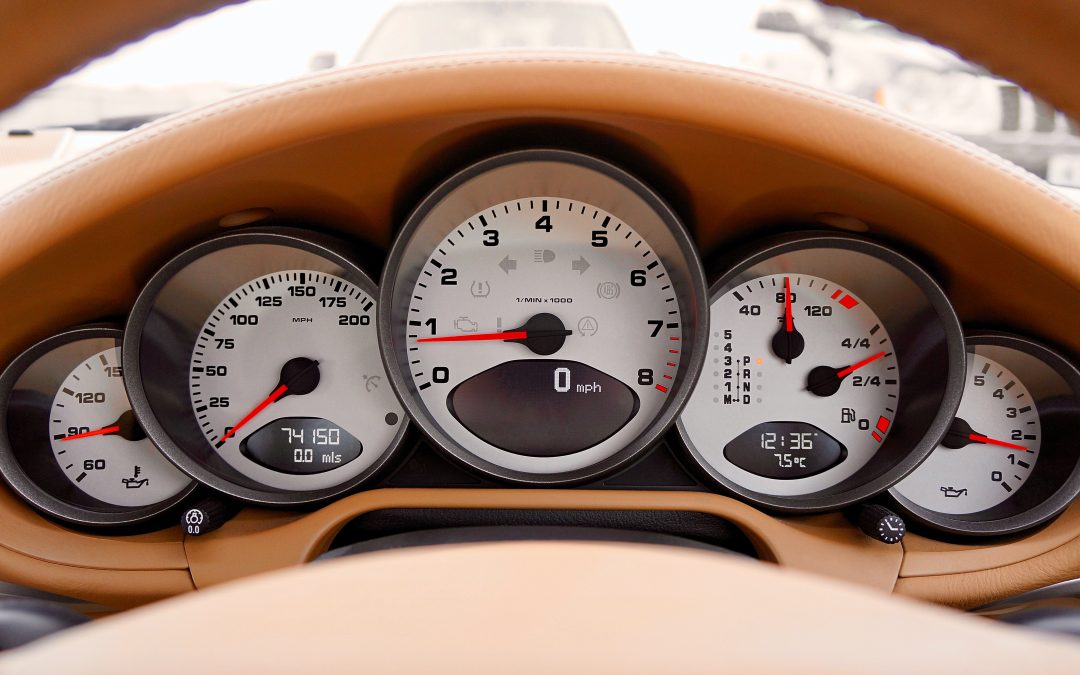
Turn the ignition and listen to the odometer. Strange noises or hesitation when the numbers roll could indicate a problem or tampering attempt.
Credit: ineedappi.com
Frequently Asked Questions
How Can I Spot Odometer Tampering On A Used Car?
Look for inconsistent mileage in service records and wear on pedals or seats. Check if the odometer numbers look misaligned or scratched. These signs suggest possible tampering.
What Tools Help Detect Odometer Fraud?
A vehicle history report reveals mileage inconsistencies and past ownership. OBD-II scanners can compare stored mileage with the odometer reading. These tools help verify true mileage.
Can Physical Odometer Damage Indicate Tampering?
Yes, scratched or loose odometer dials may signal tampering attempts. Broken seals or unusual marks near the dashboard are also red flags. Such damage often means someone tried to alter mileage.
Why Do Sellers Tamper With Odometers?
Lower mileage makes a car seem newer and more valuable. Some sellers want to sell the vehicle faster and for a higher price. This dishonest practice misleads buyers about the car’s condition.
Is It Legal To Tamper With An Odometer?
No, tampering with an odometer is illegal in most places. It can result in heavy fines and criminal charges. Laws protect buyers from fraud and false mileage claims.
Conclusion
Knowing how to spot odometer tampering protects your money. Check the car’s history and look for unusual wear. Compare the odometer reading with the car’s condition. Trust your gut if something feels off. Taking these steps helps avoid costly surprises later.
Stay alert and be smart when buying a used car. Your careful inspection can save you from trouble. Always remember: a little effort goes a long way.