Can You Drive a Car With a Bad Catalytic Converter? Essential Facts
Have you noticed your car acting up lately? Maybe it’s running rough, making strange noises, or your check engine light just won’t go off.
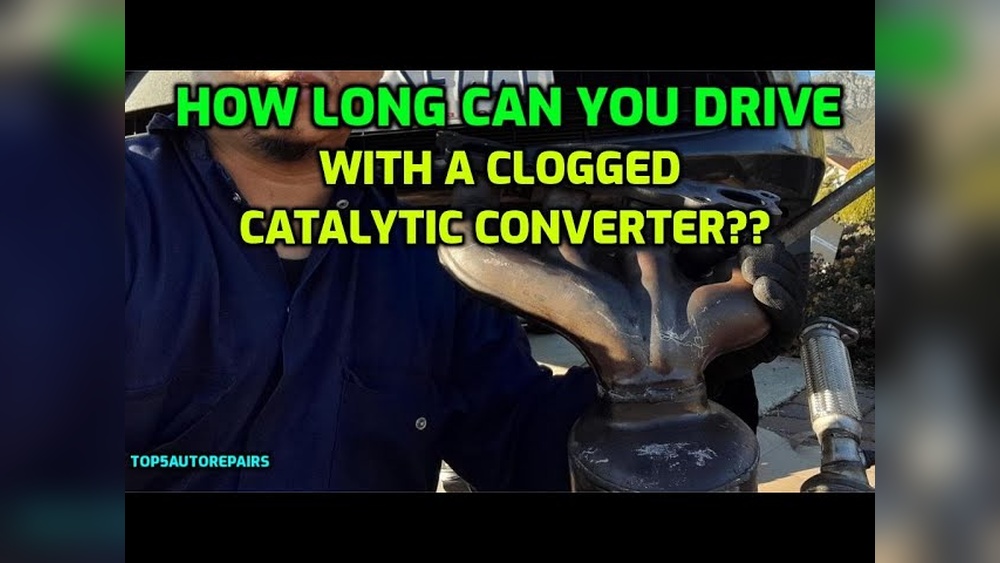
One common culprit could be a bad catalytic converter. But here’s the big question: can you still drive your car with a faulty catalytic converter? Before you hit the road or rush to the mechanic, it’s important to understand what risks you’re taking and what signs to watch for.
Keep reading to find out how a bad catalytic converter can affect your car’s performance, safety, and your wallet. This knowledge could save you from costly repairs or even dangerous situations down the line.
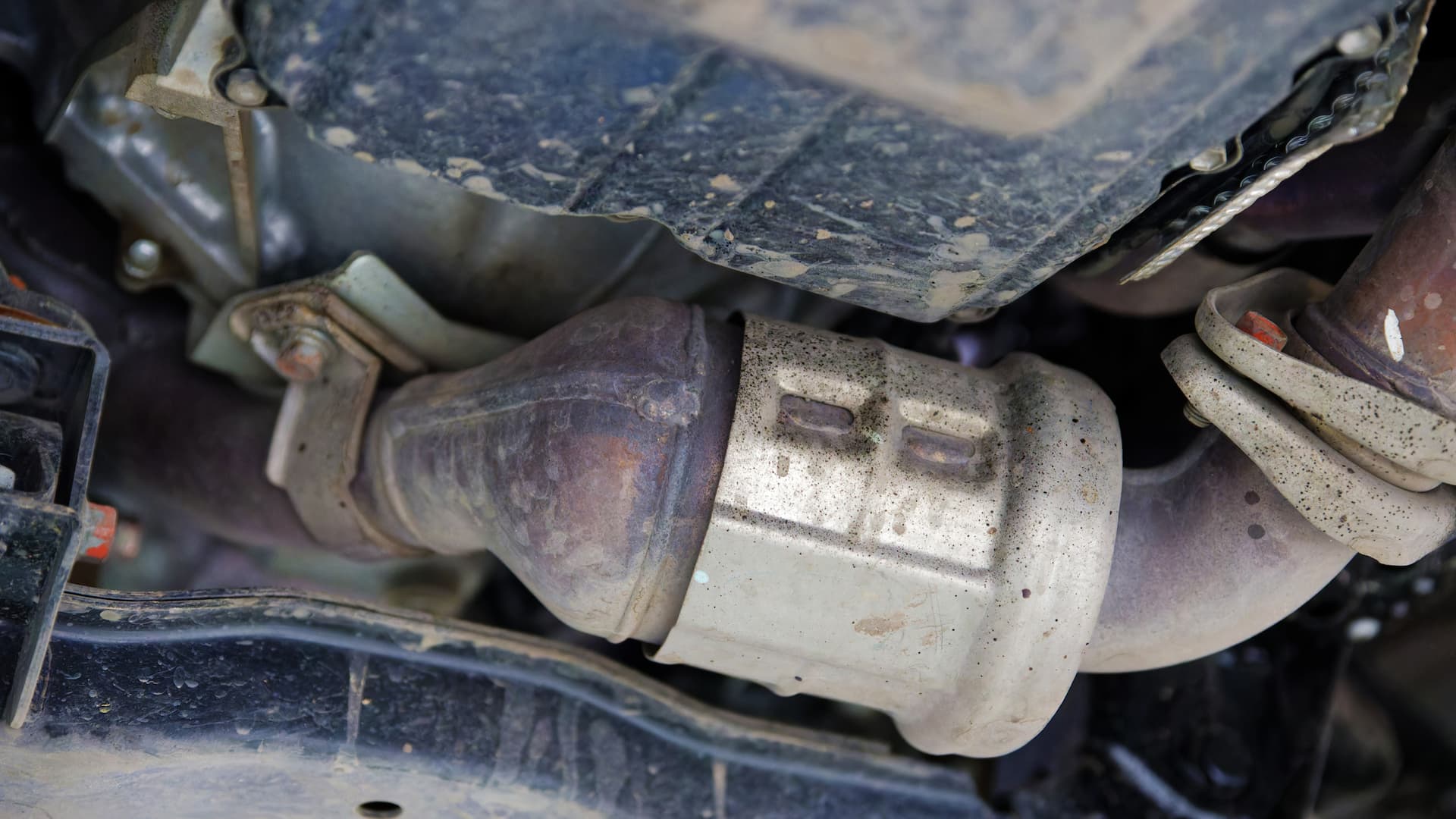
Credit: www.autonationmobileservice.com
Signs Of A Failing Catalytic Converter
A catalytic converter plays an important role in reducing harmful emissions from your car. When it starts to fail, your vehicle may show clear signs. Recognizing these signs early can save you from costly repairs and keep your car running smoothly.
Paying attention to your car’s behavior and performance can help detect a bad catalytic converter. Some symptoms are easy to notice, while others affect how the car drives. Knowing what to watch for helps you act quickly.
Common Symptoms To Watch For
A failing catalytic converter often causes a strong, rotten egg smell near the car. This smell comes from sulfur in the exhaust. Also, your check engine light might turn on without warning. This light is a key indicator of engine or emission system problems.
Another symptom is dark or black smoke from the exhaust pipe. This shows incomplete burning of fuel. You might also hear rattling noises from under the vehicle, especially when starting the engine or accelerating. These sounds mean the internal parts of the converter are breaking apart.
Impact On Vehicle Performance
A bad catalytic converter can reduce your car’s power and acceleration. Your vehicle may feel sluggish or slow to respond. This happens because exhaust gases cannot flow properly, causing engine strain.
Fuel efficiency drops as the engine works harder to push exhaust through the clogged converter. You might notice your gas mileage worsening without any other changes. The engine may also misfire, causing rough idling and poor driving experience.
Risks Of Driving With A Bad Converter
Driving with a bad catalytic converter can cause serious problems. It affects more than just your car’s performance. Understanding the risks helps you avoid costly repairs and unsafe situations. This section explains the main dangers of ignoring a faulty converter.
Potential Engine Damage
A bad catalytic converter can block exhaust flow. This causes pressure to build inside the engine. Over time, this stress can damage engine parts. Your car may lose power and run poorly. Ignoring the issue can lead to expensive engine repairs.
Unburned fuel can also enter the converter. This creates heat and may cause the converter to overheat. Overheating can damage the engine’s exhaust valves. Early repair saves your engine from severe damage.
Safety Concerns On The Road
A failing catalytic converter can cause your car to stall unexpectedly. This creates dangerous situations, especially on busy roads. You might lose power during acceleration or while climbing hills. Sudden loss of power can lead to accidents.
Bad converters increase harmful emissions. This reduces air quality and harms the environment. Driving a car with a faulty converter also risks failing emissions tests. This can lead to fines or your car being taken off the road.
Legal And Environmental Implications
Driving a car with a bad catalytic converter has serious legal and environmental consequences. This part helps reduce harmful gases from your car’s exhaust. Without it working properly, your vehicle pollutes more. Authorities enforce strict rules about emissions. Breaking these rules can lead to fines and penalties. The environment also suffers because air quality drops. Understanding these effects helps you see why fixing a bad catalytic converter matters.
Emissions Regulations And Fines
Governments set limits on car emissions to protect public health. Cars must pass emissions tests to be legal on the road. A faulty catalytic converter often causes test failure. Authorities may issue fines if your car emits too many pollutants. Repeated offenses might lead to vehicle registration suspension. Repairing the converter keeps your car within legal limits. It also prevents costly fines and legal troubles.
Effect On Air Quality
The catalytic converter reduces dangerous gases like carbon monoxide. Without it, the car releases more toxins into the air. This pollution harms lungs and causes respiratory problems. It also contributes to smog and acid rain. Clean air is vital for people and nature. Fixing the catalytic converter helps keep the air cleaner. It supports healthier communities and a safer environment.
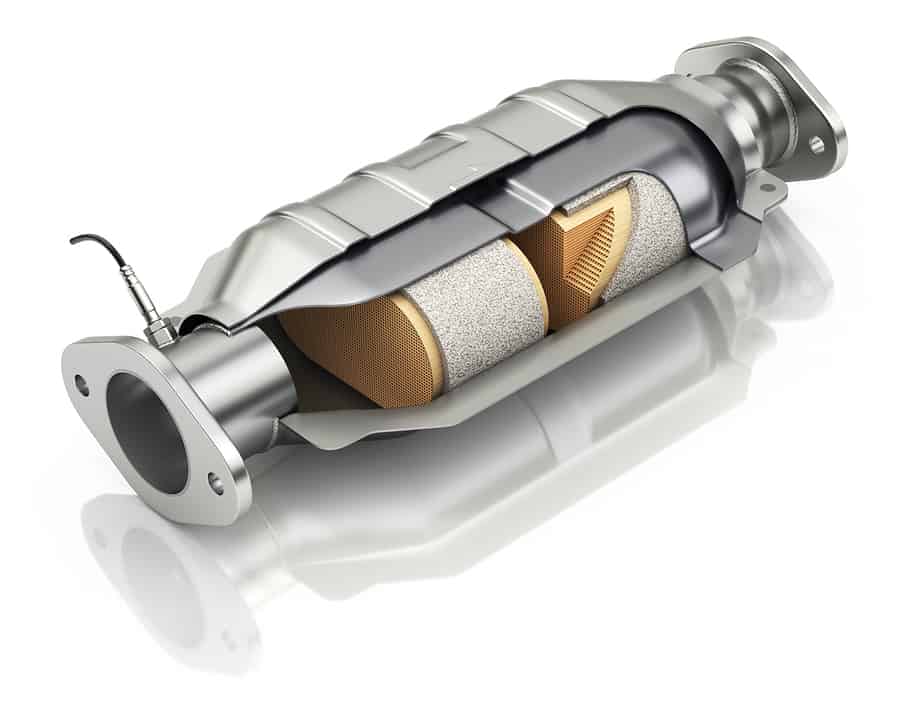
Credit: www.breakerlink.com
How A Faulty Converter Affects Fuel Efficiency
A faulty catalytic converter can lower your car’s fuel efficiency. It affects how well your engine burns fuel. This leads to more fuel being used than normal.
The catalytic converter helps clean harmful gases from your exhaust. When it is damaged, exhaust flow can get blocked. This makes your engine work harder and use extra fuel.
Reduced Engine Performance
A bad catalytic converter slows down the exhaust gases. This causes back pressure in the engine. The engine loses power and struggles to run smoothly. To keep going, it burns more fuel.
Incomplete Fuel Combustion
The converter helps burn fuel completely. A faulty one causes incomplete combustion. This wastes fuel inside the engine. It lowers your miles per gallon and wastes money.
Engine Warning Light And Fuel Usage
The check engine light often turns on with converter issues. The car’s computer may adjust fuel flow to protect the engine. This can increase fuel consumption until the problem is fixed.
Temporary Solutions Before Replacement
Driving with a bad catalytic converter is not ideal, but sometimes replacement cannot happen immediately. Temporary solutions can help keep your car running safely for a short time. These fixes may reduce symptoms like rough idling or poor acceleration. They do not repair the converter but can help you avoid further damage. Use these solutions carefully and watch your car’s performance closely.
Diy Fixes To Consider
Cleaning the catalytic converter can sometimes improve its function. Use a fuel additive designed to clean the exhaust system. Add it to your gas tank according to instructions. This may help clear small blockages inside the converter.
Another option is to check for exhaust leaks. Small leaks can cause poor engine performance. Tighten loose bolts or replace damaged gaskets to reduce leaks. Make sure the exhaust system is sealed properly.
Keep your engine tuned and oil changed regularly. A well-maintained engine produces fewer harmful emissions. This reduces stress on the catalytic converter.
When To Seek Professional Help
Visit a mechanic if your car shows warning lights or strange noises. A professional can diagnose the exact problem quickly. They may use special tools to check the converter’s efficiency.
Do not ignore signs like stalling, poor fuel economy, or strong smells. These can mean the converter is failing badly. Driving longer without repair can damage the engine or exhaust system.
Experts can recommend repair or replacement based on your car’s condition. They ensure the solution follows safety and emission rules. Get help early to avoid costly repairs later.
Replacing A Catalytic Converter
Replacing a catalytic converter is important for your car’s health and the environment. A bad catalytic converter can cause poor engine performance and higher emissions. Fixing or replacing it helps your car run smoothly and meet emission standards.
Many drivers delay this repair, but a timely replacement can save money and avoid bigger problems. Understanding the costs and choosing the right part are key steps in this process.
Cost Factors And Options
The price to replace a catalytic converter varies. It depends on the car’s make and model. Labor costs and part quality also affect the total cost.
OEM parts usually cost more but fit perfectly. Aftermarket parts are cheaper but may not last as long. Some shops offer refurbished converters at a lower price.
The age of your car and local emissions rules can change the cost too. Shop around and get several quotes before deciding.
Choosing The Right Replacement Part
Pick a catalytic converter that matches your car’s specifications. Using the wrong part can cause more damage or fail emissions tests.
OEM parts come from the car manufacturer. They guarantee compatibility and quality. Aftermarket parts come from third-party makers and vary in quality.
Check reviews and warranties before choosing. A good converter improves engine efficiency and reduces pollution. Ask your mechanic for advice based on your budget and needs.

Credit: www.edmunds.com
Frequently Asked Questions
Can A Car Run With A Bad Catalytic Converter?
Yes, a car can run with a bad catalytic converter, but performance may drop. You might notice less power and poor fuel efficiency.
How Does A Bad Catalytic Converter Affect Car Emissions?
A bad catalytic converter increases harmful emissions by not cleaning exhaust gases well. This can cause your car to fail emission tests.
Can A Bad Catalytic Converter Cause A Car To Stall?
Yes, a clogged catalytic converter can cause the engine to stall or hesitate. It blocks exhaust flow, making the engine struggle.
Is It Legal To Drive With A Faulty Catalytic Converter?
Driving with a faulty catalytic converter is usually illegal in many states. It can lead to fines and failed vehicle inspections.
How To Know If The Catalytic Converter Is Bad?
Look for signs like poor engine performance, strange smells, or a check engine light. A mechanic can run tests to confirm the issue.
Conclusion
Driving with a bad catalytic converter can cause many problems. It may reduce your car’s power and increase fuel use. Your vehicle might fail emissions tests and pollute more. Ignoring this issue can harm your engine over time. Fixing the converter soon saves money and stress.
Safe driving means keeping your car in good shape. Don’t wait until the problem gets worse. Take care of your car for a smoother ride.