Can a Weak Alternator Cause Poor Engine Performance? Shocking Truths!
Have you noticed your car’s engine acting up lately? Maybe it’s sluggish, stalling, or just not running as smoothly as before.
You might be wondering if a weak alternator could be the hidden culprit behind your poor engine performance. Understanding this connection is key to keeping your vehicle reliable and safe. You’ll discover exactly how a weak alternator can affect your engine and what signs you should watch for.
Keep reading, because knowing this could save you from costly repairs and frustrating breakdowns.
Credit: www.krishnaautoelectric.com
Role Of The Alternator
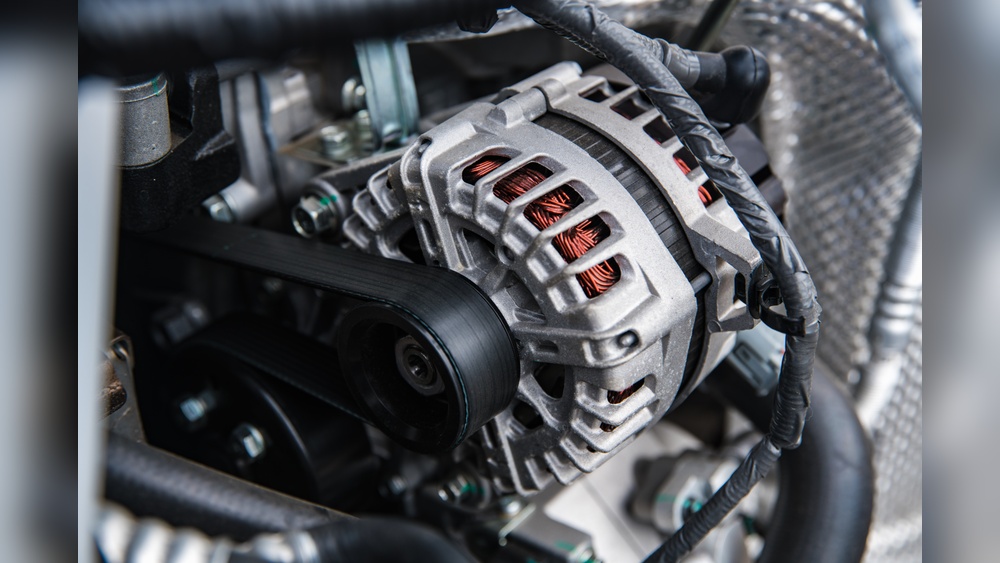
The alternator plays a vital role in your car’s electrical system. It keeps your battery charged and powers electrical parts. This includes headlights, radio, and engine controls. Without a working alternator, your car cannot run smoothly.
The alternator works while the engine runs. It changes mechanical energy into electrical energy. This process helps keep the battery full and the vehicle’s systems functioning. A weak alternator can cause many engine problems.
How The Alternator Powers Your Vehicle
The alternator produces electricity by spinning a coil inside a magnetic field. This happens when the engine runs. The electricity flows through wires to power the car’s electrical parts. It also charges the battery for later use.
Electricity from the alternator keeps the engine control unit working. This unit manages fuel and air mix for the engine. Poor power from the alternator can cause the engine to run poorly or stall.
Alternator Vs Battery: Key Differences
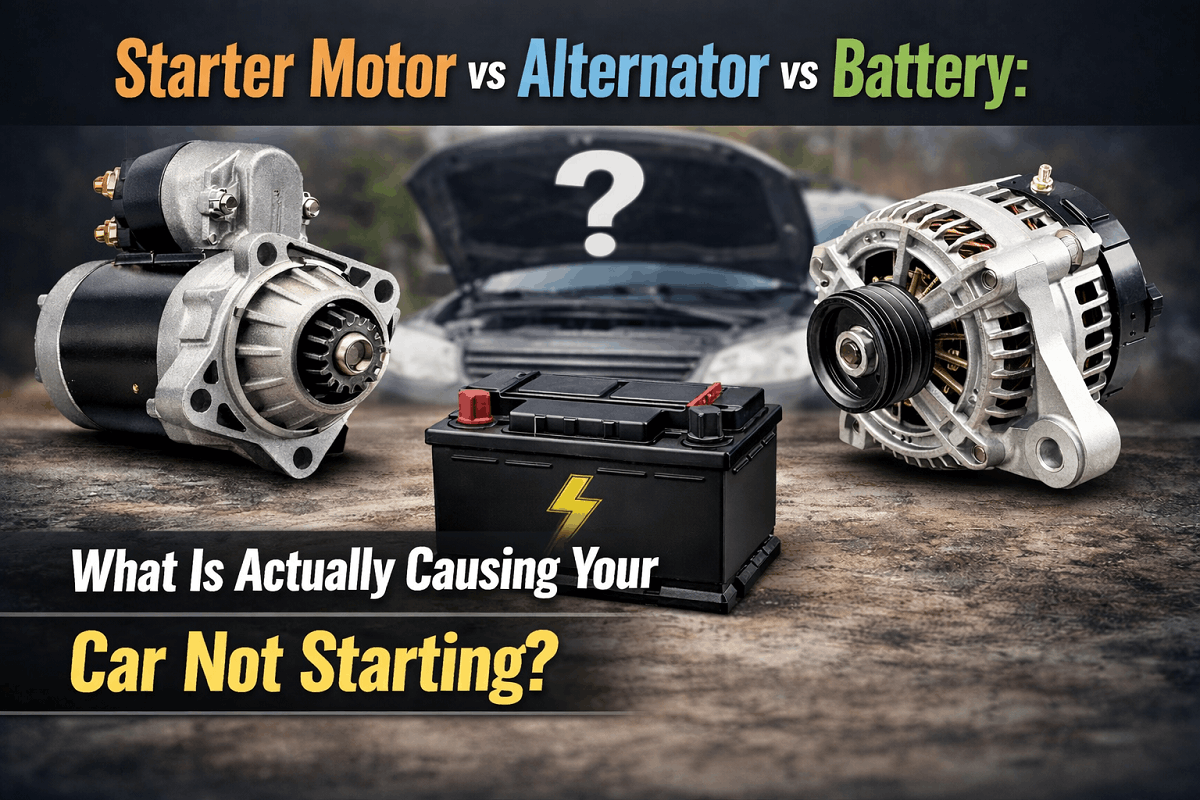
The alternator and battery serve different purposes. The battery stores electrical energy for starting the car. The alternator creates electricity while the engine runs. It keeps the battery charged and powers the car’s systems.
The battery alone cannot power the car for long. It needs the alternator to recharge it. A weak alternator means the battery will drain quickly. This can lead to poor engine performance and car breakdown.
Signs Of A Weak Alternator
Signs of a weak alternator often show up as electrical problems or strange engine actions. The alternator helps power your car’s electrical system and keeps the battery charged. When it starts to fail, your car may not work right. Watch for these signs to catch a weak alternator early.
Dim Lights And Electrical Issues
Dim headlights or dashboard lights can mean the alternator is weak. Lights may flicker or change brightness as the engine runs. Other electrical parts like power windows or radio might work slowly or stop. These problems happen because the alternator can’t supply enough power to the car’s systems.
Unusual Engine Behavior
The engine may run rough or stall unexpectedly with a weak alternator. You might notice a loss of power or poor acceleration. The car can hesitate when you try to start it. This happens because the battery is not charging properly, causing the engine to struggle.
Impact On Engine Performance
A weak alternator can affect how your engine runs. The alternator provides power to many parts of your car. When it fails, the engine may not work as well. This section explains how a weak alternator impacts engine performance.
Reduced Power Output
The alternator charges the battery and powers electrical parts. A weak alternator means less electricity for the engine. This shortage can lower the engine’s power. You may feel the car is slow or weak during acceleration.
Without enough power, the engine cannot perform at its best. Lights and other systems may dim, affecting overall driving. The engine’s efficiency drops, causing poor performance on the road.
Stalling And Misfires
Engine stalling happens when the alternator fails to supply enough power. The spark plugs need electricity to ignite fuel. A weak alternator can cause weak or no sparks.
This leads to engine misfires and sudden stalling. The car may stop running unexpectedly. This problem is dangerous, especially at high speeds or intersections.
Keeping the alternator in good condition helps prevent these issues. A strong alternator ensures smooth engine operation and safer driving.
Diagnosing Alternator Problems
Diagnosing alternator problems is essential to understand poor engine performance. A weak alternator can cause various issues in your vehicle. Knowing how to identify these problems helps prevent further damage. It also saves time and money on repairs. The process involves testing the voltage and using specific diagnostic tools. Both methods provide clear signs of alternator health. This section explains how to perform these tests effectively.
Testing Voltage And Output
Testing the alternator’s voltage is a simple way to check its condition. Use a multimeter set to measure DC voltage. Connect the meter’s positive lead to the battery’s positive terminal. Attach the negative lead to the battery’s negative terminal. A healthy alternator usually produces between 13.5 and 14.5 volts while the engine runs. A reading below this range indicates a weak alternator. It means the battery is not charging properly. Check the output again with the engine off. The voltage should be close to 12.6 volts. Lower voltage at rest means the battery might be weak or discharged.
Using Diagnostic Tools
Diagnostic tools provide detailed information about the alternator’s performance. Many auto repair shops use an oscilloscope or a specialized alternator tester. These tools measure the alternator’s output frequency and voltage ripple. Abnormal readings point to internal problems like worn brushes or a faulty diode. A scan tool can also read trouble codes related to the charging system. These codes help pinpoint the exact issue. Using diagnostic tools is more accurate than simple voltage tests. It can detect early signs of alternator failure. This approach ensures proper maintenance and prevents unexpected breakdowns.
Common Causes Of Alternator Failure
The alternator is a vital part of your vehicle’s electrical system. It charges the battery and powers the electrical components. Many factors can cause an alternator to fail. Understanding these causes helps spot issues early. This can save you from poor engine performance and breakdowns.
Worn Bearings And Brushes
Bearings support the moving parts inside the alternator. Over time, they wear out from constant use. Worn bearings cause noise and reduce alternator efficiency. Brushes transfer electricity to the rotating part. These brushes wear down with use and can break. When brushes fail, the alternator cannot produce enough power.
Faulty Voltage Regulator
The voltage regulator controls the amount of electricity the alternator produces. If it fails, the alternator may overcharge or undercharge the battery. Overcharging can damage the battery and electrical parts. Undercharging leads to low battery power and weak engine performance. A faulty regulator often causes flickering lights and electrical issues.

Credit: www.youtube.com
Preventive Measures And Repairs
Taking care of your car’s alternator helps avoid poor engine performance. Regular checks and timely repairs keep your engine running smoothly. Preventive measures can save money and reduce breakdown risks.
Regular Maintenance Tips
Check the alternator belt for wear and tightness. A loose or cracked belt lowers alternator output. Clean battery terminals to prevent power loss. Inspect wiring for damage or corrosion. Listen for unusual noises like grinding or whining. Test the battery and alternator voltage regularly. These steps help spot problems early before they affect engine performance.
When To Replace The Alternator
Replace the alternator if the battery light stays on. Dim headlights or electrical failures signal alternator trouble. Frequent battery drainage also indicates a weak alternator. If the alternator makes loud noises, it may fail soon. Replacement is necessary if repair costs exceed half the alternator price. Timely replacement avoids engine stalls and electrical system failures.

Credit: speedalternators.com
Frequently Asked Questions
Can A Weak Alternator Cause Engine To Stall?
Yes, a weak alternator can cause the engine to stall. It fails to provide enough power to the spark plugs and fuel system.
How Does Alternator Affect Engine Performance?
The alternator powers key engine components like ignition and fuel injection. If weak, it can lead to poor engine running and misfires.
What Are Signs Of A Failing Alternator?
Dim lights, slow electrical accessories, and engine stalling are common signs. A weak alternator can’t keep the battery charged properly.
Can A Bad Alternator Drain The Battery?
Yes, a weak alternator cannot recharge the battery well. This causes the battery to drain quickly and leads to starting problems.
Is Engine Roughness Linked To Alternator Problems?
Engine roughness or hesitation can be linked to a failing alternator. Insufficient power disrupts fuel and spark timing, affecting smooth running.
Conclusion
A weak alternator can cause poor engine performance in many ways. It may not supply enough power to the engine’s electrical parts. This can lead to dim lights, slow acceleration, and even stalling. Paying attention to these signs helps avoid bigger problems.
Regular checks keep your car running smoothly. Don’t ignore strange engine behavior—it could mean your alternator needs help. Taking action early saves time and money. Keep your vehicle’s charging system in good shape for better driving.