Is It Safe to Drive With a Bad Catalytic Converter? Essential Facts
Is it safe to drive with a bad catalytic converter? If you’ve noticed your car struggling to accelerate, emitting a strange rotten egg smell, or showing that dreaded Check Engine light, this question is probably on your mind right now.
You might wonder if you can keep driving without making an immediate repair, or if continuing to use your vehicle could cause serious damage or even put your safety at risk. The truth is, the answer isn’t simple—it depends on how badly your catalytic converter is failing.
Keep reading, because understanding the warning signs and risks could save you from costly repairs, legal trouble, and dangerous breakdowns on the road. Your car—and your peace of mind—are worth it.

Credit: rrcats.com
Types Of Catalytic Converter Issues
Catalytic converters can face several problems that affect your car’s performance. These issues range from mild to severe. Understanding them helps decide if driving is safe or not.
Some problems reduce efficiency, while others can cause serious engine damage. Knowing the type of issue can save costly repairs.
Low Efficiency
This happens when the converter’s internal metals wear down. The car still runs, but pollution control drops. You may see a Check Engine light. Driving is usually safe for a short time. Emissions tests will likely fail.
Clogged Or Blocked Converter
Exhaust gases get trapped inside the converter. This causes high backpressure and heat. Engine parts can overheat and break quickly. Driving in this state is risky. Stop immediately and seek help.
Physical Damage
Impact from road debris or accidents can crack or dent the converter. Damage may cause leaks or blockages. This affects exhaust flow and efficiency. It can also trigger warning lights on the dashboard.
Contamination
Substances like oil or coolant can enter the converter. They coat the internal parts and reduce function. This leads to poor engine performance and emissions issues. Early repair prevents further harm.

Credit: www.autonationmobileservice.com
Symptoms Of A Failing Converter
Driving with a blocked catalytic converter brings serious risks. This part helps reduce harmful emissions by cleaning exhaust gases. When it becomes blocked, exhaust cannot flow freely. This causes pressure to build up in the engine. The engine struggles to work properly and may overheat. Ignoring these problems can cause costly damage and safety issues. Understanding these risks helps you make safer choices about your car.
Engine Overheating And Damage
A blocked converter causes exhaust gases to back up. This forces the engine to work harder. Heat builds up quickly inside the engine. Overheating can warp or crack engine parts. This leads to expensive repairs or even engine failure. Driving with a blocked converter increases the chance of severe engine damage.
Reduced Engine Performance
Exhaust blockage lowers engine power. Your car may feel weak or slow to accelerate. The engine may stall or hesitate while driving. Fuel efficiency also drops because the engine runs less efficiently. Reduced performance makes driving unsafe and less enjoyable.
Increased Emissions And Pollution
A blocked catalytic converter cannot clean exhaust gases well. Harmful pollutants escape into the air. This harms the environment and can cause your vehicle to fail emissions tests. Higher pollution levels also affect air quality and public health.
Potential Safety Hazards
Excess heat from a blocked converter may damage nearby parts. Wiring and fuel lines can melt, increasing fire risk. Engine stalls or sudden power loss may cause accidents. These safety risks make driving with a blocked converter dangerous.

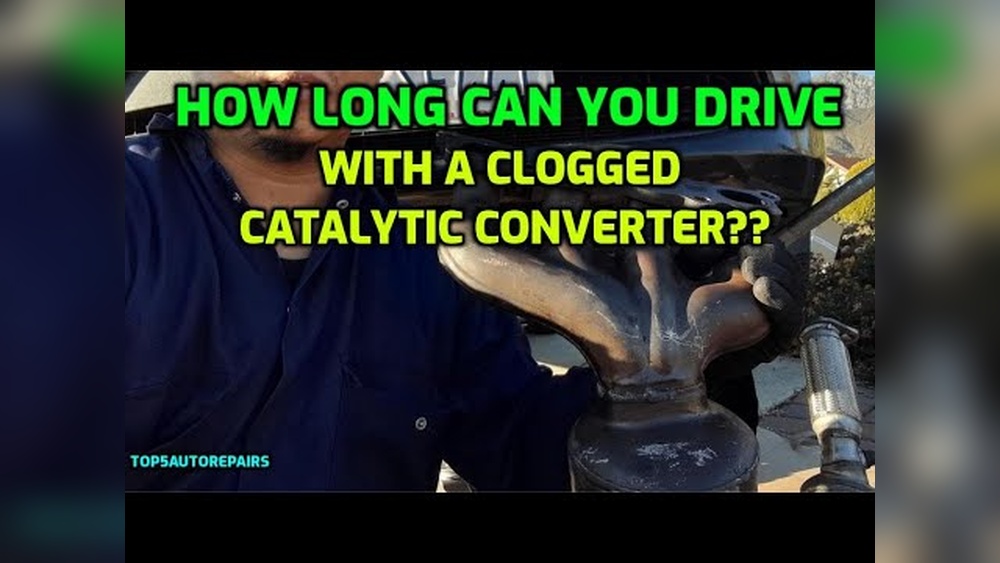
Credit: www.youtube.com
Frequently Asked Questions
How Long Can I Drive Without Replacing The Catalytic Converter?
You can drive short-term with a degraded catalytic converter but must replace it once symptoms like poor acceleration or foul smell appear. Driving with a clogged converter risks engine damage and safety hazards. Replace it promptly to avoid costly repairs and maintain vehicle performance.
Will A Bad Catalytic Converter Ruin Your Engine?
A bad catalytic converter can damage your engine if clogged, causing backpressure and overheating. Replace it promptly to avoid engine harm.
Is It Worth Fixing A Catalytic Converter?
Fixing a catalytic converter is worth it to restore performance, pass emissions tests, and prevent engine damage. Ignoring issues risks costly repairs and poor fuel efficiency.
What Are Two Symptoms Of A Failed Catalytic Converter?
Two symptoms of a failed catalytic converter are poor acceleration and a strong rotten egg smell from the exhaust.
Conclusion
Driving with a bad catalytic converter can harm your vehicle quickly. A slight problem might let you drive short-term. Severe blockage causes engine damage and safety risks. Watch for poor acceleration, strange smells, or warning lights. These signs mean stop driving and get help fast.
Fixing the converter protects your car and the environment. Don’t wait until small issues become costly repairs. Stay safe by addressing problems early. Your car and your wallet will thank you.