What Year Did They Start Putting Computers in Cars: The Definitive History
Have you ever wondered when cars first got their own “brains”? The shift from purely mechanical machines to smart vehicles packed with computers changed everything about how cars run, how safe they are, and even how they feel to drive.
But what year did they start putting computers in cars? Knowing this can help you understand the rapid pace of automotive technology and why your car today is so different from one made just a few decades ago. Stick around, because uncovering the history behind computerized cars will give you a fresh perspective on the vehicles you rely on every day—and maybe even a glimpse into what’s coming next.

Credit: www.amazon.com
Early Car Electronics
Computers began appearing in cars around 1968, mainly to control engine functions. By the 1970s, electronic fuel injection systems improved performance and fuel efficiency. Early car electronics laid the foundation for today’s advanced vehicle technology.
The first electronics in cars appeared in the late 1960s. These early systems were simple and mostly controlled engine functions. They helped improve fuel efficiency and reduce emissions.
Before computers, cars used mechanical parts to manage engine timing and fuel flow. Electronics started to replace these parts gradually. This shift marked the beginning of car computerization.
First Electronic Controls In Cars
In 1968, the American Motors Corporation introduced the first electronic fuel injection system. It used sensors to manage fuel delivery better than carburetors. This system was a major step toward computerized engines.
Other manufacturers soon followed. They added basic electronic controls for ignition and fuel systems. These early systems were not full computers but paved the way for future developments.
The Role Of Engine Control Units (ecus)
By the 1970s, Engine Control Units, or ECUs, started appearing in cars. They processed data from sensors to optimize engine performance. ECUs made engines run cleaner and more efficiently.
These units were simple compared to today’s standards. They controlled fuel injection and ignition timing based on sensor input. ECUs laid the foundation for modern car computers.
Advances In Safety Electronics
Alongside engine control, safety electronics began to emerge. Anti-lock braking systems (ABS) appeared in the late 1970s and early 1980s. ABS used sensors and computers to prevent wheel lockup during braking.
These systems improved car safety significantly. They showed how electronics could enhance both performance and driver protection. Early safety electronics marked a new era for car technology.
First Computerized Engines
Computerized engines first appeared in cars around 1968. Early systems controlled fuel injection and ignition for better performance. By the 1970s, more vehicles used computers to improve engine efficiency and reduce emissions.
The first computerized engines appeared in the late 1960s. Car makers began using electronic controls to improve engine performance. These early systems helped control fuel injection and ignition timing.
In 1968, American Motors introduced the first electronic fuel injection system. It was used in the 1968 Rambler American. This system allowed the engine to run more efficiently and cleanly than before.
Early Electronic Fuel Injection
Early electronic fuel injection replaced traditional carburetors. Computers measured air and fuel mixture to optimize combustion. This led to better fuel economy and lower emissions.
Bosch, a German company, improved this technology in the early 1970s. Their Jetronic system became widely used in many cars. It used sensors to monitor engine conditions and adjust fuel delivery precisely.
Benefits Of Engine Computerization
Computerized engines improved power and reduced pollution. They allowed cars to meet stricter emission laws. Engines became more reliable and easier to start in cold weather.
These systems also paved the way for modern engine control units (ECUs). ECUs manage many engine functions and improve overall vehicle performance.
Advancements In Engine Control
Computers first appeared in cars in the late 1960s to control engine functions. By the early 1970s, electronic systems improved fuel efficiency and emissions. These advancements marked the start of computerized engine control in vehicles.
Early Electronic Engine Controls
In the late 1960s, car makers started using simple electronic systems. These early devices helped manage fuel delivery and ignition timing. They replaced older mechanical parts to improve engine efficiency. One of the first systems was the electronic fuel injection in 1968. It allowed better control of air and fuel mixture. This change helped engines run cleaner and saved fuel.
Introduction Of Engine Control Units (ecus)
In the 1970s, Engine Control Units (ECUs) became common in cars. ECUs are small computers that monitor many engine parts. They adjust fuel, air, and spark to optimize performance. This meant engines could run smoother and produce fewer emissions. The ECU collects data from sensors and makes real-time changes. This technology marked a big step forward in engine control.
Advances In Sensor Technology
Sensors played a key role in improving engine control. Oxygen sensors, introduced in the 1980s, measured exhaust gases. They helped ECUs adjust fuel mixture for better combustion. Other sensors tracked engine temperature, speed, and pressure. These inputs allowed precise engine tuning. Cars became more reliable and fuel-efficient as a result.
Modern Engine Control Systems
Today’s engine control systems use powerful microprocessors. They handle complex tasks like variable valve timing and turbo boost control. ECUs can communicate with other car systems for safety and performance. Modern cars achieve higher power and lower emissions than before. These advancements started decades ago and keep evolving.

Credit: www.amazon.com
Expansion Of Computer Systems
Computers in cars started small but grew quickly over the years. Early systems focused on engine control. They helped improve fuel efficiency and reduce emissions. As technology advanced, more computer systems joined the car’s network.
These systems began to handle tasks beyond the engine. Safety features, entertainment, and navigation became part of the car’s electronics. This expansion changed how cars operate and how drivers interact with them.
Early Adoption In The 1970s
The first computer systems appeared in cars during the late 1960s and early 1970s. They mainly controlled fuel injection and ignition timing. This early use helped cars meet new pollution standards. It also improved engine performance and reliability.
Growth Through The 1980s
By the 1980s, computers managed more than just the engine. Anti-lock braking systems (ABS) and electronic dashboards became common. These systems improved safety and convenience. Automakers started adding multiple control units to handle different tasks.
Integration Of Advanced Features In The 1990s
In the 1990s, computer systems grew more complex. Cars gained features like cruise control and automatic transmission controls. Onboard diagnostics (OBD) systems also became standard. These helped mechanics find problems faster and made repairs easier.
Modern Cars And Networked Systems
Today, cars contain dozens of computers connected through networks. These manage everything from engine control to entertainment systems. Advanced driver assistance systems (ADAS) rely heavily on computer technology. The expansion of computer systems has made cars safer and smarter.
Modern Computer Integration
The first cars with computers appeared in the late 1960s, starting around 1968. Early systems helped control engine functions and improved fuel efficiency. By the 1970s, computerized controls became more common in vehicles worldwide.
Modern cars rely heavily on computers for many functions. These computers help control the engine, safety features, and entertainment systems. They improve fuel efficiency, reduce emissions, and increase driver comfort. The integration of computers in cars has grown rapidly since the 1980s.
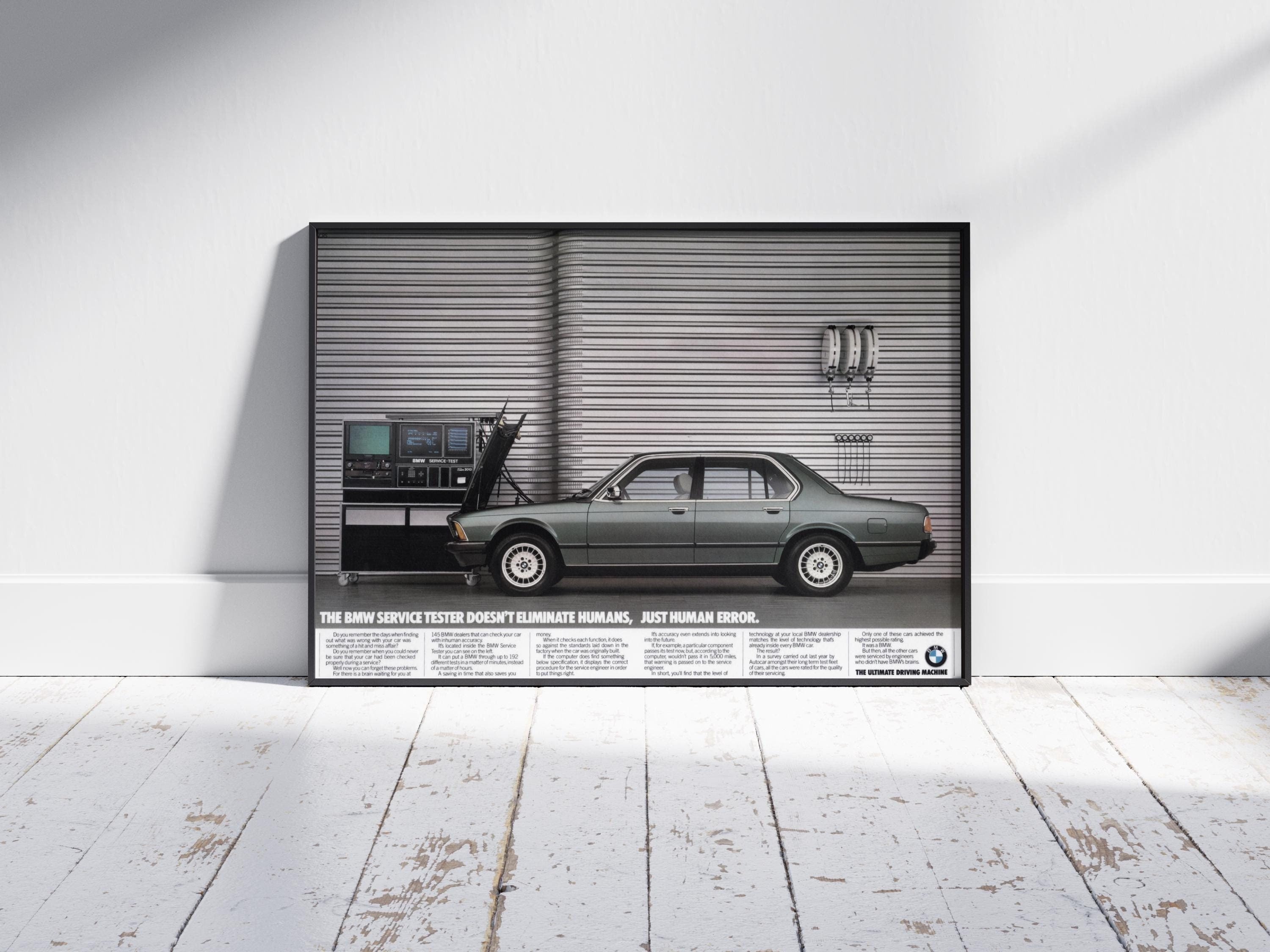
Today, cars use multiple computers called Electronic Control Units (ECUs). Each ECU manages a specific task, such as braking or air conditioning. These systems communicate through networks inside the car. This allows the vehicle to respond quickly to changing conditions.
Engine Control Units (ecus)
ECUs monitor and control engine performance. They adjust fuel injection, ignition timing, and air intake. This ensures the engine runs smoothly and efficiently. ECUs reduce harmful emissions and improve power output. They replaced older mechanical controls by using sensors and software.
Safety Systems And Computers
Computers manage many safety features in modern vehicles. Anti-lock Braking Systems (ABS) prevent wheel lock during hard braking. Electronic Stability Control (ESC) helps maintain control in slippery conditions. Airbag deployment is also controlled by onboard computers. These systems save lives and reduce accidents.
Infotainment And Connectivity
Modern cars include computer-based infotainment systems. They provide navigation, music, and smartphone integration. Voice commands and touchscreens improve ease of use. These systems receive updates to add new features or fix bugs. Connectivity also supports emergency calls and vehicle tracking.
Advanced Driver Assistance Systems (adas)
ADAS use computers and sensors to assist drivers. Features include adaptive cruise control, lane-keeping assist, and automatic parking. These systems enhance safety and convenience. They process data from cameras, radar, and lidar sensors. ADAS represent a step toward fully autonomous vehicles.
Credit: www.etsy.com
Frequently Asked Questions
What Was The Last Year Cars Were Made Without Computers?
The last cars without computers were produced around 1973. After that, electronic controls became standard.
What Cars Will Run After An Emp?
Older cars without electronic ignition or fuel injection, typically pre-1980 models, are more likely to run after an EMP. Simple, mechanical vehicles with minimal electronics stand the best chance of operating post-EMP. Modern cars with complex computer systems usually fail after an EMP event.
How To Tell If Your Car Has A Listening Device?
Check for unusual wires, small hidden devices, or strange sounds in your car. Use a bug detector or scan your vehicle with a radio frequency (RF) scanner to find hidden listening devices.
What Car Is Hardest To Steal?
The hardest cars to steal often include newer models with advanced anti-theft systems, like Tesla, BMW, and Audi. They use keyless entry, immobilizers, and GPS tracking, making theft difficult and risky for thieves.
Conclusion
Computers first appeared in cars in the late 1960s. By the 1970s, more vehicles used them to control engines. This change helped improve fuel efficiency and reduce emissions. Today, computers manage almost every part of a car’s function. Understanding this history shows how technology shaped modern driving.
Cars without computers are now rare and mostly found in older models. The journey from simple controls to complex systems took decades. This evolution continues as cars become smarter and safer.