Can You Switch from Full Synthetic to Synthetic Blend? Expert Tips
Are you wondering if it’s okay to switch from full synthetic oil to a synthetic blend for your car? You want to keep your engine running smoothly without risking damage or losing performance.
Making the right choice can save you money and give you peace of mind. But how do you know if changing your oil type is safe and smart? You’ll discover what happens when you switch, the benefits and risks involved, and expert tips to help you make the best decision for your vehicle.
Keep reading—you’ll find answers that protect your engine and keep your ride running strong.
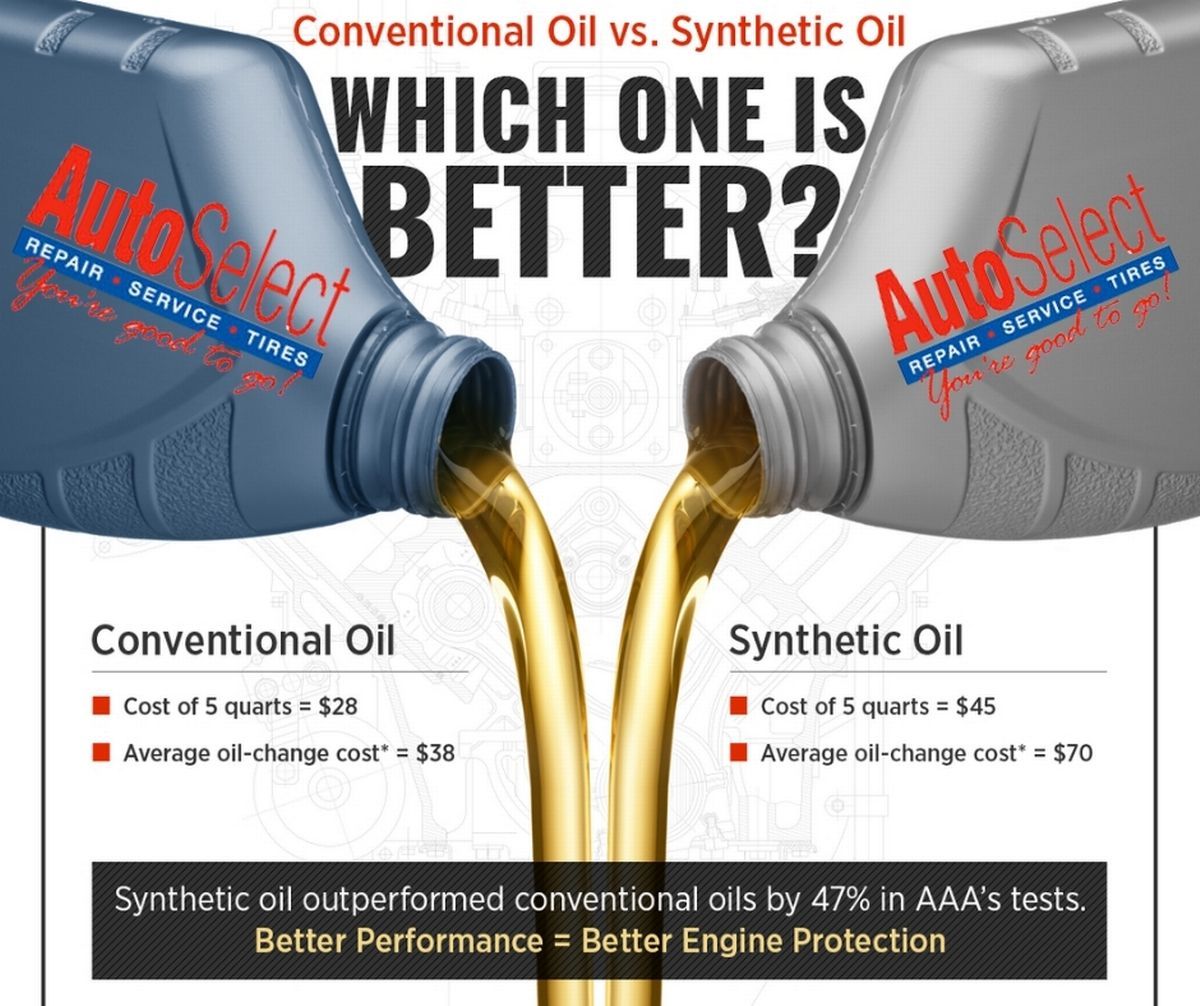
Credit: www.autoselectonline.com
Differences Between Full Synthetic And Synthetic Blend
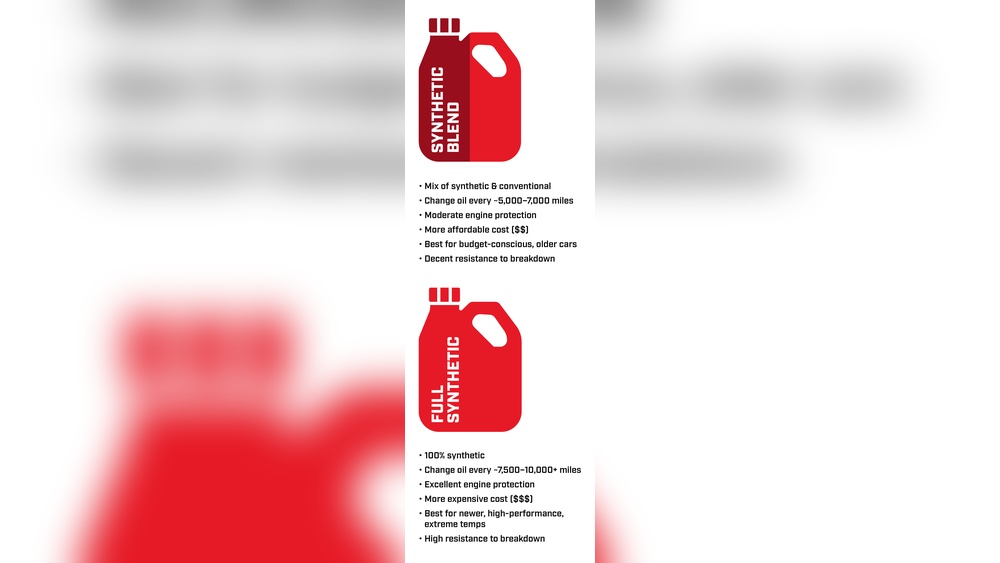
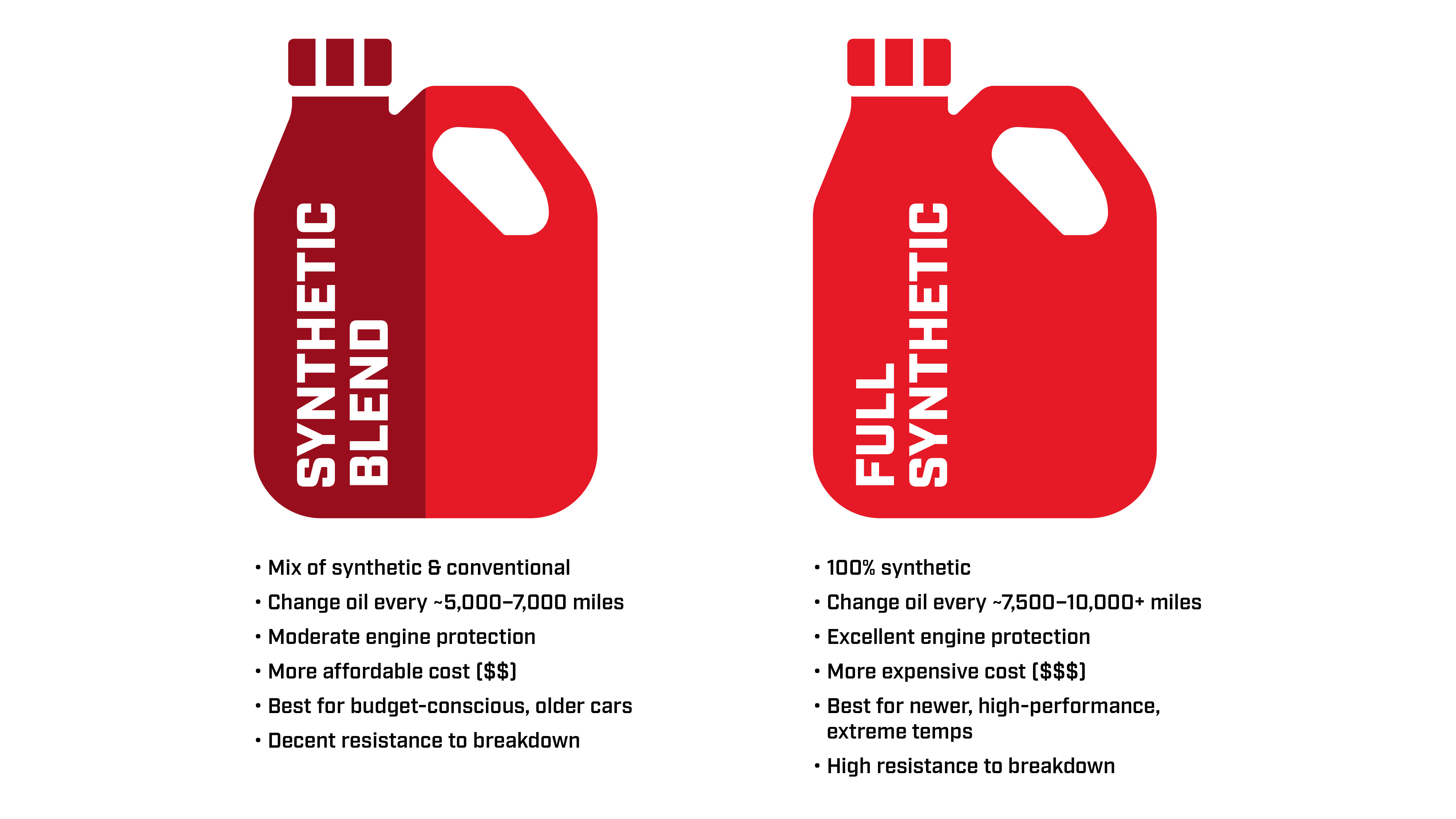
Switching from full synthetic to synthetic blend is possible without harming your engine. Full synthetic offers better protection, while synthetic blend mixes synthetic and conventional oils. Understanding these differences helps you choose the right oil for your vehicle’s needs.
What Is Full Synthetic Oil?
Full synthetic oil is made from pure chemical compounds. It offers better protection for your engine. This oil resists breaking down under heat. It flows smoothly, even in cold weather. Full synthetic oil helps your engine run cleaner and last longer.
What Is Synthetic Blend Oil?
Synthetic blend oil mixes synthetic and conventional oils. It is less expensive than full synthetic oil. It gives better protection than regular oil. This oil works well for everyday driving. Synthetic blends help reduce engine wear but not as much as full synthetic.
Key Differences In Performance
Full synthetic oil performs better at high and low temperatures. It resists sludge and deposits more effectively. Synthetic blend oil offers moderate protection. It does not last as long as full synthetic oil. Engine efficiency and cleanliness are higher with full synthetic.
Cost And Usage Considerations
Full synthetic oil costs more but lasts longer. Synthetic blend oil is cheaper but changes needed more often. Choose full synthetic for high-performance or extreme conditions. Synthetic blend suits older cars or normal driving. Consider your driving style before deciding.
Benefits Of Switching To Synthetic Blend
Switching from full synthetic to synthetic blend oil can offer many benefits. This change balances cost with performance. It suits many drivers who want decent engine protection without high expenses.
Synthetic blends mix synthetic and conventional oils. This mix provides better engine care than regular oil. It also costs less than full synthetic oil.
Improved Engine Protection At Lower Cost
Synthetic blend oils protect engines well. They resist breakdown under heat better than regular oils. This means your engine stays cleaner and lasts longer. Yet, these oils cost less than full synthetic options.
Better Performance In Different Temperatures
Synthetic blends flow smoothly in cold weather. They help engines start easier in winter. In hot conditions, they resist thinning out. This keeps the engine parts lubricated and safe.
Reduced Oil Consumption And Emissions
Blended oils reduce how much oil your engine uses. They also help lower harmful exhaust gases. This supports cleaner air and a healthier environment.
Good Choice For Older Vehicles
Many older cars benefit from synthetic blends. These oils can reduce leaks and oil burning. They provide extra engine care without the full synthetic price.
When To Consider Changing Your Oil Type
Switching from full synthetic to a synthetic blend can save money without harming your engine. Consider this change if your car’s manual allows it or if you drive less often. Always check oil specifications before making the switch to ensure proper engine care.
Assessing Your Vehicle’s Age And Mileage
Older cars with high mileage may benefit from synthetic blends. These oils can help reduce oil consumption and leaks in aging engines. Newer cars often require full synthetic for optimal performance. Check your owner’s manual for specific oil recommendations.
Evaluating Your Driving Conditions
Frequent short trips or stop-and-go traffic can strain engine oil. Synthetic blends offer better protection than conventional oils in these conditions. Full synthetic oils excel under extreme heat or cold and heavy towing. Match the oil type to your daily driving habits.
Considering Oil Change Frequency And Cost
Full synthetic oils usually last longer between changes. Synthetic blends provide a balance between cost and performance. Switching to blends may save money if you change oil often. Follow the oil change intervals suggested by your vehicle’s manufacturer.
Checking For Engine Performance And Oil Compatibility
Some engines require full synthetic oil for warranty and performance. Using the wrong oil type may affect engine health. Consult your mechanic before switching oil types. Monitor engine noise, fuel efficiency, and oil levels after any change.
Credit: www.greasepro.com
Tips For A Smooth Transition Between Oils
Changing your car’s oil type requires care to keep your engine healthy. Switching from full synthetic to synthetic blend oil needs a few steps. These tips help your engine adjust smoothly to the new oil type. Follow them to avoid problems and keep your engine running well.
Check Your Vehicle’s Owner Manual
Your owner manual has important oil guidelines. It shows recommended oil types and viscosities. Confirm that synthetic blend oil suits your car. Using the right oil protects your engine and keeps your warranty valid.
Drain Old Oil Completely
Remove all old oil before adding new oil. This prevents mixing different oil types. Mixing oils can reduce performance and protection. Drain the oil while the engine is warm. Warm oil drains faster and more completely.
Use A Quality Oil Filter
Change your oil filter with the oil switch. A clean filter keeps oil flowing smoothly. It catches dirt and debris that harm the engine. Choose a filter that fits your vehicle and oil type.
Monitor Engine Performance After Switching
After switching, watch how your engine runs. Listen for unusual noises or vibrations. Check oil pressure and temperature regularly. Any changes could mean the oil is not working well. Consult a mechanic if you notice problems.
Keep Up With Regular Oil Changes
Stick to your oil change schedule. Regular changes keep oil fresh and effective. Old oil loses its protective qualities. Follow the recommended mileage or time intervals for oil changes.
Credit: www.aaa.com
Frequently Asked Questions
Can I Switch From Full Synthetic To Synthetic Blend Oil?
Yes, you can switch between full synthetic and synthetic blend oils. Both types protect your engine but have different compositions.
Will Switching Oils Affect My Car’s Performance?
Switching may slightly change engine smoothness or fuel efficiency. Most cars handle both oils well without problems.
How Often Should I Change Synthetic Blend Oil?
Synthetic blend oil usually needs changing every 5,000 to 7,500 miles. Follow your car maker’s advice for best results.
Is Synthetic Blend Oil Cheaper Than Full Synthetic?
Synthetic blend oil costs less than full synthetic. It offers a balance between price and engine protection.
Conclusion
Switching from full synthetic to synthetic blend is possible for many cars. Just check your vehicle’s manual first. Synthetic blends still protect your engine well. They also cost less than full synthetic oils. Keep an eye on your engine’s performance after switching.
Change the oil regularly for best results. Choose the right oil grade to match your car’s needs. This helps your engine run smoothly and last longer. Always pick a reliable brand to ensure quality. Your engine will thank you with better efficiency and protection.