Can You Use a Synthetic Blend After Full Synthetic? Expert Advice
Are you wondering if it’s okay to switch from full synthetic oil to a synthetic blend? You’re not alone.
Many drivers hesitate, worried about engine damage or reduced performance when changing oil types. The truth is, you can safely use a synthetic blend after full synthetic without harming your engine. But before you make the switch, there are a few important things you should know about oil change intervals, engine protection, and when switching makes sense for your vehicle and budget.
Keep reading to discover how to keep your engine running smoothly while choosing the right oil for your needs.

Credit: www.walmart.com
Full Synthetic Vs Synthetic Blend
Understanding the differences between full synthetic and synthetic blend oils helps in making the right choice for your vehicle. Both oils serve to protect your engine but vary in composition and performance.
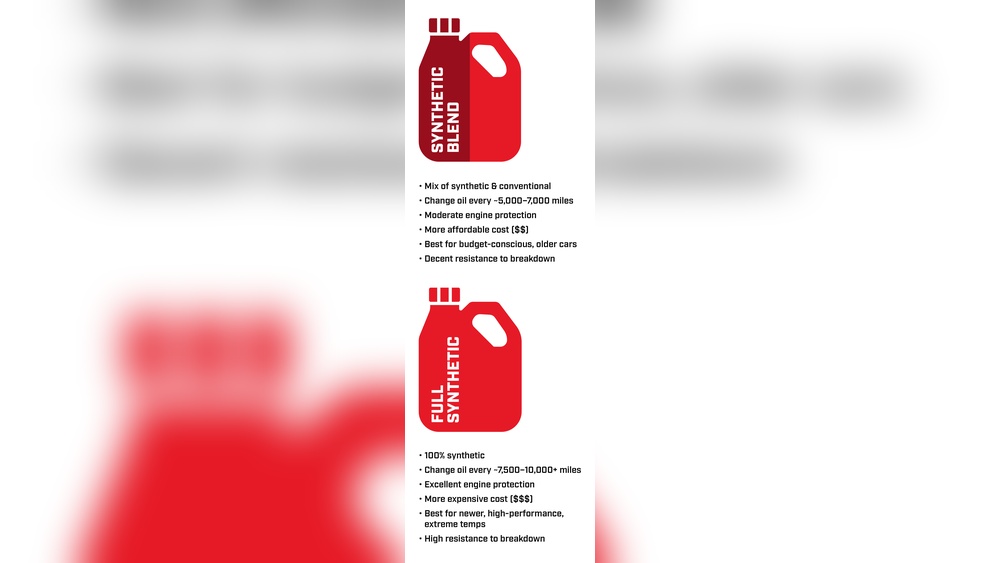
Full synthetic oil contains highly refined base oils and advanced additives. It offers excellent protection against engine wear, high temperatures, and sludge buildup. Synthetic blends mix synthetic oil with conventional oil to balance performance and cost.
What Is Full Synthetic Oil?
Full synthetic oil is engineered for maximum engine protection. It flows smoothly at low temperatures and resists breakdown during heat. This oil type helps engines run cleaner and last longer.
What Is Synthetic Blend Oil?
Synthetic blend oil combines synthetic and conventional oils. It provides better performance than conventional oil alone but is less expensive than full synthetic. It suits drivers who want some synthetic benefits without the full cost.
Performance Differences
Full synthetic oil performs better in extreme conditions. It protects against wear and deposits more effectively. Synthetic blends offer moderate protection and are suitable for normal driving conditions.
Compatibility Between The Two
Full synthetic and synthetic blend oils are compatible. Mixing them does not harm your engine. Switching between the two is generally safe, but check your vehicle’s manual for recommendations.
Credit: www.aaa.com
Compatibility Between Oil Types
Understanding how different motor oils interact is important for vehicle care. Compatibility between oil types affects engine performance and longevity. Mixing oils is common during oil changes or when switching brands. Knowing the basics helps avoid mistakes that might harm the engine.
Synthetic oils and synthetic blends share many properties but differ in formulation. Full synthetic oils are made from highly refined base oils with added chemicals for protection. Synthetic blends combine conventional oils with synthetic base stocks, offering a balance of cost and performance.
Are Synthetic And Synthetic Blend Oils Compatible?
Yes, synthetic and synthetic blend oils are compatible. Both use synthetic base oils, so they mix without issues. The blend simply dilutes the synthetic component with conventional oil. This means you can switch between them without harming your engine.
Switching from full synthetic to a synthetic blend may slightly reduce engine protection. Full synthetics resist heat and wear better, especially in extreme conditions. A synthetic blend still offers good protection but may need more frequent oil changes.
Manufacturer Recommendations
Always check your vehicle’s owner manual before switching oils. Some manufacturers require full synthetic oils for warranty compliance. Others allow synthetic blends or conventional oils. Following these guidelines keeps your engine running smoothly.
Impact On Engine Performance
Switching from full synthetic oil to a synthetic blend affects engine performance in certain ways. The two oils differ in composition and properties. Understanding these differences helps maintain engine health and efficiency.
Full synthetic oils provide excellent protection and performance. Synthetic blends mix synthetic and conventional oils. This mix can change how the engine runs and how well it is protected.
Lubrication Quality
Full synthetic oils have superior lubrication compared to synthetic blends. They reduce friction between engine parts better. Using a synthetic blend may slightly reduce this benefit. The engine still receives good protection, but not at the highest level.
Heat Resistance
Full synthetic oils handle high temperatures very well. They resist breaking down under heat stress. Synthetic blends offer less heat resistance. This means the oil may degrade faster in hot conditions. Engine performance can be affected during heavy use or hot weather.
Engine Wear Protection
Full synthetic oils protect engine parts from wear more effectively. They contain advanced additives that reduce damage. Synthetic blends have fewer additives, which can mean less protection. Over time, this may increase engine wear slightly.
Oil Change Frequency
Full synthetic oils last longer between oil changes. Synthetic blends may require more frequent changes. Following the vehicle’s recommended oil change schedule is important. Using synthetic blends after full synthetic may shorten the interval.
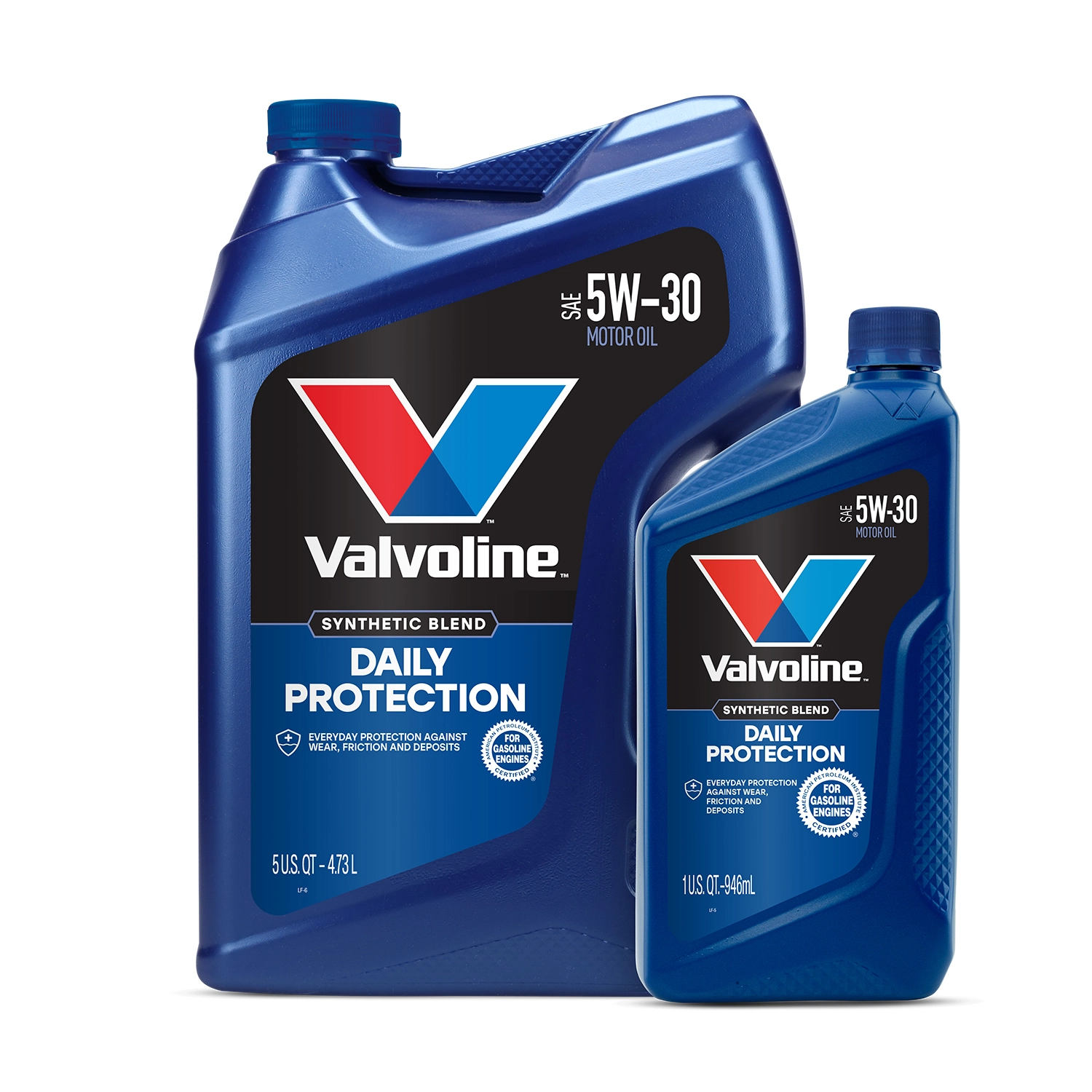
Credit: www.valvolineglobal.com
Adjusting Maintenance Practices
Switching from full synthetic to a synthetic blend is safe and won’t harm your engine. Adjust oil change intervals since blends may not last as long. Check your vehicle’s manual for the right oil type and schedule to keep your engine running smoothly.
Switching from full synthetic to a synthetic blend requires some changes in how you maintain your vehicle. Synthetic blends do not last as long as full synthetic oils. This means you must check your oil more often and change it sooner.
Pay close attention to your car’s oil change schedule. Synthetic blends may need more frequent oil changes. Always follow the vehicle manufacturer’s recommendations for oil type and change intervals.
Engine performance may also need monitoring. Full synthetic oils protect better under heat and stress. A synthetic blend might not provide the same level of protection in tough conditions. Adjust your driving habits if you notice any changes in engine response or noise.
Monitoring Oil Levels More Frequently
Synthetic blends can break down faster than full synthetics. This can cause oil levels to drop quicker. Check your oil level every few weeks to avoid running low. Keeping oil at the right level helps prevent engine damage and maintains smooth operation.
Choosing The Right Oil Filter
Using the right oil filter is important after switching oil types. Some filters work better with full synthetic oils. When using a synthetic blend, select a filter designed for mixed oil types. This ensures proper filtration and protects your engine from contaminants.
Adjusting Driving Habits
Driving style affects oil performance. Synthetic blends handle heat and stress differently than full synthetics. Avoid heavy towing or extreme heat conditions if possible. Gentle driving helps maintain engine health and prolongs oil life.
When To Choose Synthetic Blend
Switching to a synthetic blend after using full synthetic oil is generally safe. Synthetic blends mix conventional and synthetic oils, so they work well together. Check your vehicle’s manual to confirm the right oil type and change intervals.
Choosing synthetic blend oil after using full synthetic depends on your driving habits and budget.
Synthetic blend oil combines conventional oil with synthetic oil. It offers some benefits of full synthetic at a lower cost.
It suits drivers who want better engine protection than conventional oil but do not need the full benefits of synthetic oil.
Consider synthetic blend if your driving is mostly normal, without heavy towing or extreme temperatures.
Cost-effective Option
Synthetic blend costs less than full synthetic oil. It provides a balance between price and performance.
Switching to synthetic blend can save money on oil changes while still protecting the engine better than conventional oil.
Moderate Engine Protection
Synthetic blend offers decent protection against wear and heat. It is not as strong as full synthetic but better than conventional oil.
It works well for daily driving, short trips, and mild weather conditions.
Shorter Oil Change Intervals
Synthetic blends usually require more frequent oil changes than full synthetic oils.
Check your vehicle’s manual for recommended oil change intervals when using synthetic blends.
Adjust your maintenance schedule to keep your engine running smoothly.
Frequently Asked Questions
What Happens If You Switch From Full Synthetic To Synthetic Blend?
Switching from full synthetic to synthetic blend is generally safe and won’t harm your engine. Synthetic blends mix conventional and synthetic oils and remain compatible. Expect slightly shorter oil change intervals and potentially less engine protection under extreme conditions. Always follow your vehicle’s owner manual recommendations.
Does Hyundai Recommend Synthetic Oil?
Yes, Hyundai recommends synthetic oil for better engine performance and protection. Always follow the owner’s manual for specific oil type and viscosity.
Does Lexus Need Synthetic Oil?
Yes, Lexus engines require full synthetic oil for optimal performance and protection. Use only Lexus-approved synthetic oil.
What Are The Drawbacks Of Synthetic Blend Oil?
Synthetic blend oil offers less engine protection and shorter oil change intervals than full synthetic. It may not perform well in extreme conditions.
Conclusion
Switching from full synthetic to synthetic blend is generally safe. Both oils mix well without harming your engine. Synthetic blends cost less but may need more frequent changes. Full synthetics protect better in extreme conditions. Always follow your car’s manual for oil type and change intervals.
Choose the oil that fits your driving needs and budget. Keep your engine healthy by using the right oil regularly.