Is It Bad to Leave Your Parking Brake on Overnight? Shocking Truths!
Have you ever wondered if it’s really okay to leave your parking brake on overnight? You might think it’s harmless or even a good habit to keep your car secure, but could it actually cause problems?
Whether you’re parking on a flat street in Austin or on a chilly night elsewhere, understanding the impact of leaving your parking brake engaged for hours can save you from costly repairs or unexpected hassles. You’ll discover when it’s safe to leave your brake on, what risks to watch out for, and simple tips to protect your vehicle.
Keep reading to make sure your parking routine is doing more good than harm.

Credit: performanceautospecialists.com
Parking Brake Basics
Understanding parking brakes helps you use them safely and effectively. These brakes keep your car from moving when parked. They work differently than your regular brakes. Parking brakes lock the wheels, usually the rear ones. This stops the car from rolling on slopes or flat surfaces.
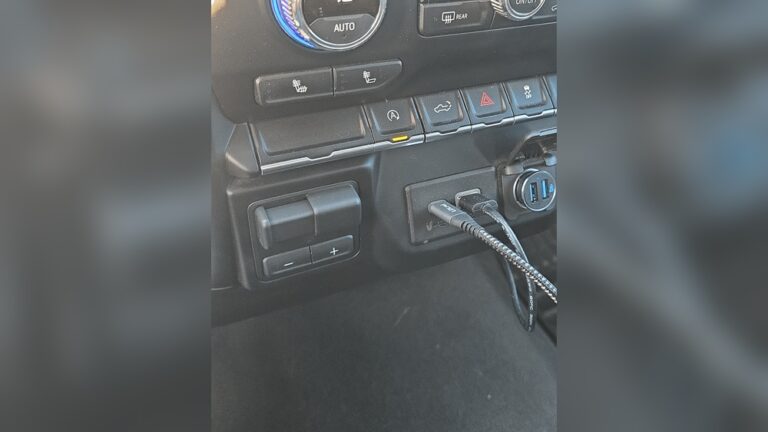
Most cars have a lever or pedal for the parking brake. Some newer models use an electronic switch. The parking brake is often called the emergency brake. It is an important safety tool, especially on hills.
What Is A Parking Brake?
The parking brake is a secondary brake system. It holds the car in place when parked. It acts independently from the main braking system. You can use it if your main brakes fail. It also helps reduce wear on the transmission.
How Does A Parking Brake Work?
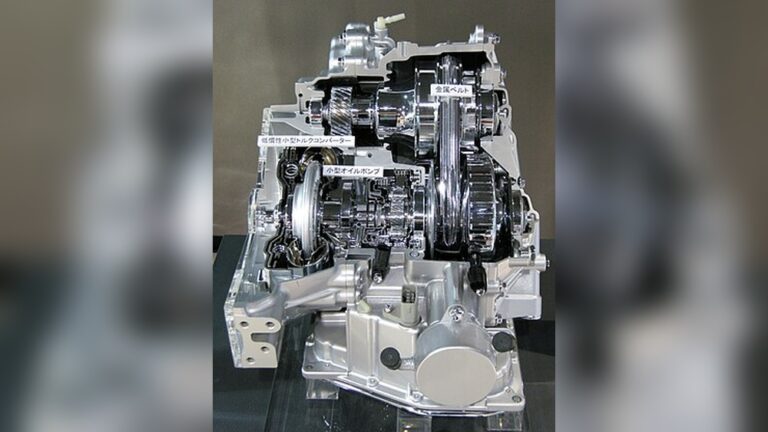
Most parking brakes work by tightening cables around the rear wheels. This locks the wheels and prevents movement. Electronic parking brakes use motors to apply brake pads. Both types create strong resistance to keep the car still.
When Should You Use The Parking Brake?
Always set the parking brake when you park. This includes flat surfaces and hills. Using it reduces stress on the transmission. It also prevents the car from rolling unexpectedly. Never rely only on the transmission’s park setting.

Credit: www.reddit.com
Effects Of Leaving It On Overnight
Leaving your parking brake on overnight usually causes no serious harm. It helps keep the car from rolling and reduces stress on the transmission. Many drivers use it every time they park, even on flat surfaces.
Still, some issues can happen depending on weather and car condition. Understanding these helps you avoid potential problems and keeps your brake system in good shape.
Risk Of Brake Freezing
In cold weather, moisture can freeze brake parts. A frozen brake may stick and not release easily. This happens mostly with cable-type parking brakes. It can cause trouble when trying to drive off in the morning.
Rust And Corrosion
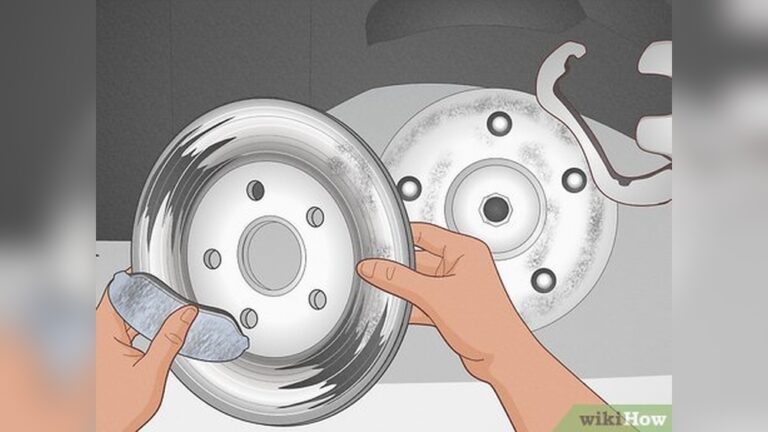
Wet or salty conditions can cause rust on brake pads and rotors. Rust may make the brake stick or produce noise. Usually, this is a short-term issue and clears after driving a bit. Long-term rust can damage brake parts though.
Wear And Tear On Brake Components
Parking brake parts can wear out faster if left engaged too long. Brake cables may stretch or weaken. Brake pads and shoes can also suffer from constant pressure. Regular use is fine, but avoid keeping the brake on for weeks.
Impact On Long-term Vehicle Storage
Leaving the parking brake on during long storage is risky. Brakes may seize and stick completely. It is better to release the brake and use wheel chocks. This prevents damage and keeps the brakes working well.
Risks In Cold And Wet Conditions
Leaving your parking brake on overnight in cold and wet conditions can lead to several issues. Moisture and freezing temperatures create risks that may affect your brake system’s performance. Understanding these risks helps prevent damage and costly repairs.
Freezing Brake Components
Cold weather causes moisture in the brake system to freeze. Frozen brake cables can stick, making it hard to release the parking brake. This can damage the cables or brake pads if you force it. Cars parked outside in freezing temperatures face this risk the most.
Rust And Corrosion
Wet conditions promote rust on brake parts. When brake pads stay wet overnight, they can bond to the rotors. This bonding creates noise and resistance when releasing the brake. Rust weakens the brake components over time, reducing their lifespan and safety.
Brake Seizing From Prolonged Use
Keeping the parking brake engaged for many hours in damp weather raises the chance of the brakes seizing. Seized brakes may not release fully, causing dragging or uneven wear. This problem is common in older vehicles with traditional handbrakes.
Credit: www.reddit.com
Long-term Parking Considerations
Parking your car for a long time requires special care. Leaving the parking brake on overnight is usually fine. But long-term parking needs extra attention to avoid damage.
Brakes can stick or rust if left engaged too long. This can cause problems when you try to drive again. Understanding how your parking brake works helps prevent issues.
How Long-term Parking Affects Your Parking Brake
When a car stays still for weeks, brake parts can gather rust. The brake pads may stick to the rotors. This makes it hard to release the brake later. The longer the brake stays on, the higher the risk.
Moisture and dirt worsen this problem. Wet brakes are more likely to seize up. This means you might hear noises or feel resistance when moving the car.
Best Practices For Long-term Parking
For long stops, avoid leaving the parking brake fully engaged. Release it occasionally to keep parts from sticking. Using wheel chocks adds safety without stressing the brake system.
Park on a flat surface if possible. This reduces pressure on the brake. If parking on a slope, wheel chocks are very helpful. They prevent the car from rolling without relying only on the brake.
Protecting Your Brake From Weather Damage
Cold weather can freeze traditional parking brakes. Moisture in cables or pads turns to ice. This locks the brake in place and makes it hard to release.
Salt and road chemicals speed up rusting. Clean your brakes if you drive in salty or wet areas. This helps keep the brake parts working smoothly for longer.
Tips For Proper Brake Use And Maintenance
Proper brake use and maintenance keep your vehicle safe and reliable. Brakes wear down over time. Taking care of them extends their life and improves performance.
Simple habits help avoid costly repairs. Understanding how to use your parking brake correctly prevents damage. Regular checks catch problems early.
Use The Parking Brake Every Time You Park
Always engage the parking brake when parking. This reduces stress on the transmission. It helps keep the car from rolling. Even on flat surfaces, using the brake is important.
Avoid Leaving The Brake Engaged In Freezing Weather
Cold temperatures can freeze the brake cables. This makes it hard to release the brake. If temperatures drop below freezing, consider releasing the brake. This prevents it from sticking.
Check Brake Pads And Rotors Regularly
Inspect brake pads for wear every few months. Thin pads reduce stopping power and damage rotors. Look for rust or unusual noises. Replace worn pads promptly to keep brakes working well.
Keep Brake Components Clean And Dry
Moisture causes rust and corrosion on brake parts. Dry your brakes after washing or rain. This stops pads from sticking to rotors. Clean brakes improve safety and smooth operation.
Release The Parking Brake During Long Storage
For long-term parking, avoid leaving the brake on. This prevents the brakes from seizing. Use wheel chocks to keep the car from moving. This protects your brakes and saves repair costs.
Frequently Asked Questions
Is It Bad To Leave Your Parking Brake On For A Long Time?
Leaving your parking brake on overnight is generally safe and helps protect your transmission. Avoid it in freezing or wet conditions to prevent brake sticking or rust. For long-term parking, release the brake and use wheel chocks to avoid brake seizing.
Is It Good To Put Your Parking Brake On Every Time You Park?
Using your parking brake every time you park secures your vehicle and reduces transmission wear. Avoid using it during freezing or long-term storage to prevent brake issues.
What Happens If You Drive With The Handbrake On For 20 Minutes?
Driving with the handbrake on for 20 minutes causes brake overheating, reduced efficiency, and potential damage to pads and rotors.
What Happens If You Forget To Take Off The Parking Brake?
Forgetting to release the parking brake can cause brake wear or overheating. Electronic brakes often release automatically when driving. Prolonged engagement may lead to stuck brakes, especially in wet or freezing conditions. Always check and release the brake before driving to avoid damage and ensure safety.
Conclusion
Leaving your parking brake on overnight is usually safe. It helps keep your car from moving and protects the transmission. Watch out for cold or wet weather, which can cause the brake to stick. For long-term parking, release the brake and use wheel chocks instead.
Regular brake care keeps your vehicle in good shape. Use your parking brake every time you park for the best safety. Simple habits protect your car and give you peace of mind.