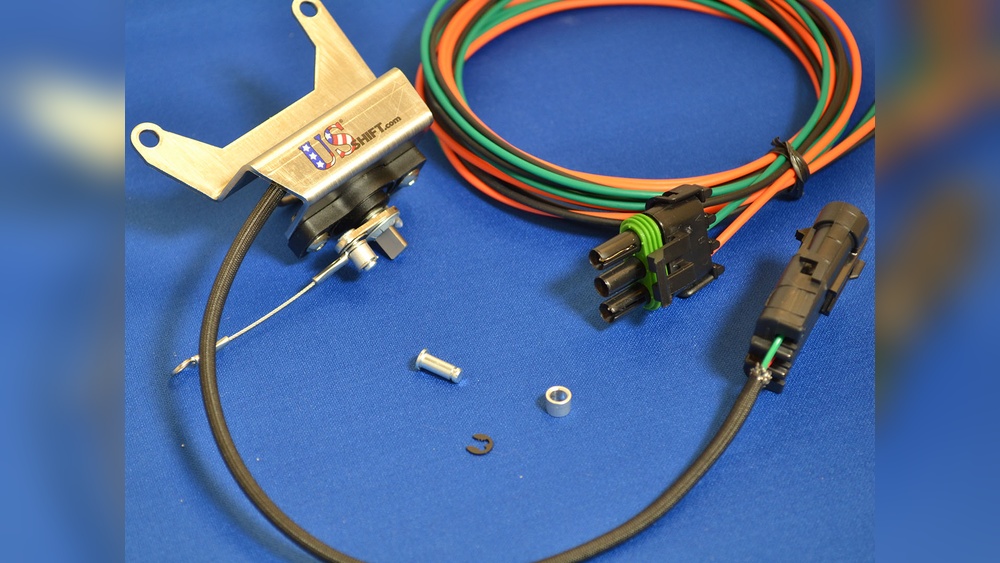
Can Throttle Position Sensor Affect Transmission Shifting? Key Insights
Have you ever noticed your car shifting gears oddly or feeling less smooth while driving? You might be surprised to learn that a small part called the throttle position sensor (TPS) could be the reason behind those transmission problems.
If your vehicle’s shifting feels off, understanding how the TPS works and why it matters can save you time, money, and frustration. Keep reading to discover how this tiny sensor can have a big impact on your transmission’s performance—and what you can do about it.
Credit: carorbis.com
Role Of Throttle Position Sensor
The throttle position sensor tells the car’s computer how much the gas pedal is pressed. This helps control when the transmission shifts gears. A faulty sensor can cause rough or delayed shifting.
What Is The Throttle Position Sensor?
The throttle position sensor (TPS) measures how far the gas pedal is pressed. It sends this data to the car’s engine control unit (ECU). The ECU uses this information to control fuel injection and air intake. This helps the engine run smoothly and efficiently.
How Does The Tps Affect Engine Performance?
The TPS tells the engine how much power the driver needs. When the pedal is pressed more, the sensor signals the ECU to add more fuel. This keeps the engine running properly at different speeds and loads. A faulty TPS can cause rough idling or poor acceleration.
Connection Between Tps And Transmission Shifting
The TPS also impacts the transmission system. The transmission control module uses TPS data to decide the best time to shift gears. If the TPS sends wrong signals, gear shifts may happen too early or too late. This can lead to jerky rides or slipping gears.
Why Accurate Tps Data Matters
Accurate TPS readings help the car shift gears smoothly. Proper shifting improves fuel economy and prolongs transmission life. It makes driving safer and more comfortable. A bad TPS can cause hard shifting or delay in gear changes.
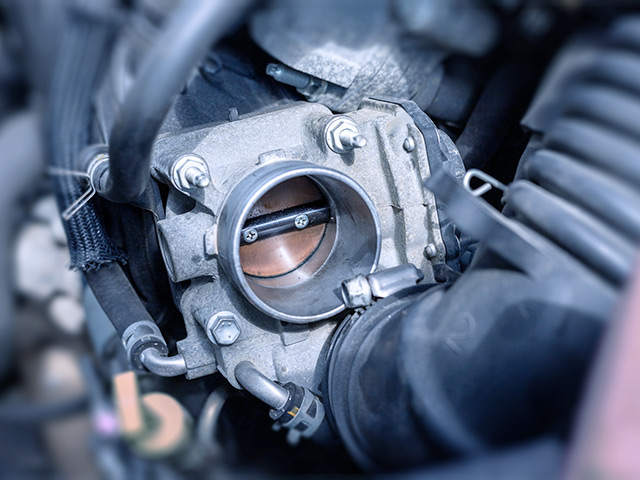
Credit: www.ctscorp.com
How Tps Influences Transmission
The Throttle Position Sensor (TPS) plays a key role in how your vehicle’s transmission shifts gears. It sends data about the throttle opening to the engine control unit (ECU). The ECU uses this data to decide when and how to shift gears smoothly.
A faulty or inaccurate TPS can lead to poor transmission performance. This affects driving comfort and vehicle efficiency. Understanding how TPS affects transmission helps spot issues early.
The Role Of Tps In Gear Shift Timing
The TPS tells the ECU how much the throttle is open. The ECU uses this information to time gear shifts. If the throttle is wide open, the transmission shifts later for more power. If the throttle is partly open, it shifts earlier for smooth driving.
Incorrect TPS signals confuse the ECU. This causes late or early gear shifts. The result is rough or jerky gear changes.
Impact On Transmission Pressure Control
The TPS also affects transmission line pressure. Proper pressure is needed for smooth gear engagement. The ECU adjusts pressure based on throttle position. If TPS data is wrong, pressure control may fail.
Low or high pressure can cause slipping or harsh shifting. This wears down transmission parts faster.
Effect On Shift Quality And Fuel Efficiency
Good TPS data helps the transmission shift smoothly. Smooth shifts mean less wear on parts. They also improve fuel economy by keeping the engine at optimal RPM.
Bad TPS data leads to rough shifts. This wastes fuel and harms the driving experience.
Symptoms Of A Faulty Tps
The throttle position sensor (TPS) helps control engine power and transmission shifting. A faulty TPS causes many problems. It can make your car shift rough or at the wrong time. Recognizing the symptoms early can save you from bigger issues and costly repairs.
Watch for these signs to know if the TPS might be failing.
Erratic Or Harsh Shifting
The transmission may shift too early or too late. Shifts might feel rough or sudden. This happens because the TPS sends wrong signals about throttle position. The transmission cannot adjust properly without correct data.
Engine Stalling Or Hesitation
The engine may stall or hesitate during acceleration. The TPS gives incorrect throttle data, confusing the engine control unit. This causes poor fuel delivery and uneven power. Stalling often happens at stop signs or traffic lights.
Poor Fuel Economy
A bad TPS can cause the engine to use more fuel. Incorrect throttle readings lead to wrong air-fuel mixtures. Your car will consume more gas than usual. This reduces efficiency and increases running costs.
Check Engine Light Comes On
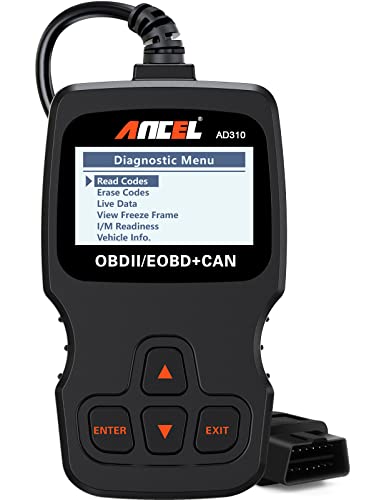
The check engine light may illuminate on the dashboard. The car’s computer detects TPS problems and triggers the warning. A scan tool can read error codes to confirm TPS issues. Do not ignore this light; it signals trouble.
Unstable Idle Speed
The engine idle speed may go up and down without reason. A faulty TPS sends inconsistent throttle position signals. This makes the engine control unit unable to keep a steady idle. You might notice the engine revving oddly at stops.
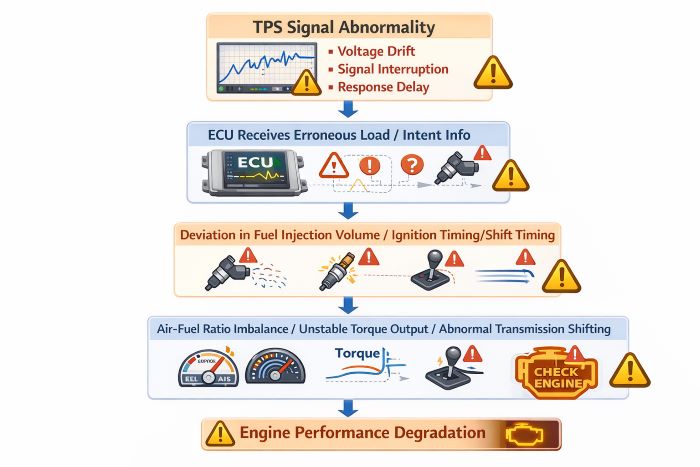
Credit: www.unikeyic.com
Diagnosing Tps-related Issues
Throttle Position Sensor (TPS) problems can cause transmission shifting issues. Faulty TPS signals confuse the transmission control, leading to rough or delayed shifts. Diagnosing TPS faults helps fix shifting problems quickly and improves driving smoothness.
Symptoms Of A Faulty Throttle Position Sensor
The throttle position sensor (TPS) plays a key role in vehicle performance. A bad TPS can cause shifting problems. You might notice rough gear changes or delayed shifts. The engine may stall or hesitate while accelerating. These signs suggest the TPS might need a check.
Using A Diagnostic Scanner
A diagnostic scanner helps find TPS issues quickly. It reads error codes from the car’s computer. Codes related to the TPS often show transmission problems. This tool gives a clear idea about the sensor’s condition. It saves time and avoids guesswork.
Testing The Throttle Position Sensor Manually
Manual testing uses a multimeter to check the TPS voltage. The voltage should change smoothly as the throttle moves. Sudden jumps or drops indicate a faulty sensor. This test confirms if the TPS causes the shifting trouble. It requires basic tools and some care.
Fixes And Preventive Measures
Fixing and preventing problems with the throttle position sensor (TPS) helps keep transmission shifts smooth. A faulty TPS can cause rough or delayed gear changes. Checking the sensor and related parts regularly avoids costly repairs.
Simple steps can restore proper sensor function. Preventive care extends the life of your vehicle’s transmission system.
Checking And Cleaning The Tps
Remove the TPS carefully to inspect it. Dirt and grime can block sensor signals. Clean the sensor with a soft cloth and electrical cleaner. Avoid harsh chemicals that can damage the sensor. After cleaning, reinstall the TPS securely to prevent loose connections.
Replacing A Faulty Throttle Position Sensor
Replace the TPS if cleaning does not fix shifting issues. Use a sensor that matches your vehicle’s specifications. Install it correctly to ensure accurate throttle readings. Faulty sensors cause erratic gear shifts and poor engine performance.
Regular Transmission Fluid Checks
Low or dirty transmission fluid affects gear shifting. Check fluid levels monthly to keep them within the recommended range. Change fluid as per manufacturer guidelines. Clean fluid helps the transmission respond to TPS signals better.
Routine Vehicle Inspections
Inspect the entire throttle and transmission system often. Look for worn cables, loose wires, or leaks. Early detection of issues prevents bigger problems. A professional mechanic can perform detailed diagnostics and repairs.
Frequently Asked Questions
Can A Bad Throttle Position Sensor Cause Shifting Problems?
Yes, a faulty throttle position sensor can cause rough or delayed shifting. It sends wrong signals to the transmission control module. This confuses the system and affects gear changes.
How Does The Throttle Position Sensor Affect Transmission?
The sensor tells the transmission how much you press the gas pedal. This helps the system decide when to shift gears. Wrong data can lead to shifting at the wrong time.
What Are Common Signs Of A Failing Throttle Position Sensor?
You might notice jerky shifts, slipping gears, or delayed acceleration. The check engine light may also turn on. These signs suggest the sensor needs checking.
Can Replacing The Throttle Position Sensor Fix Transmission Issues?
Yes, replacing a bad sensor often improves shifting and performance. It restores proper communication between the throttle and transmission. This helps the car shift smoothly again.
Conclusion
A faulty throttle position sensor can cause rough transmission shifts. It sends wrong signals to the transmission control unit. This can lead to delayed or harsh gear changes. Fixing or replacing the sensor often solves these problems. Regular vehicle check-ups help spot sensor issues early.
Smooth shifting depends on accurate sensor data. Ignoring sensor problems may damage the transmission over time. Pay attention to how your car shifts. It can save you costly repairs later.