When Going down a Long Steep Downgrade You Should Always Brake Safely
When going down a long steep downgrade, your safety depends on what you do next. It’s easy to feel overwhelmed or unsure about the best way to handle the situation.
But knowing the right steps can protect you from losing control, overheating your brakes, or facing serious accidents. You’ll discover simple yet powerful tips that keep you safe and confident every time you tackle a steep descent. Keep reading—your next downhill ride could depend on it.

Credit: www.bigrentz.com
Dangers Of Long Steep Downgrades
Long steep downgrades pose serious risks for drivers. The steep slope causes vehicles to gain speed quickly. This rapid acceleration can make it hard to control the vehicle. Brakes can overheat and fail if used too much. The risk of accidents rises sharply on these roads.
Understanding these dangers helps drivers stay safer. It is important to prepare and drive cautiously on steep declines.
Danger Of Brake Failure
Brakes work hard to slow the vehicle on steep slopes. Continuous braking can cause them to overheat. Overheated brakes lose power and may stop working. This can lead to loss of control and crashes.
Risk Of Vehicle Speeding Out Of Control
Gravity pushes vehicles faster downhill. Speed can increase very quickly on long slopes. High speed reduces reaction time for the driver. It becomes difficult to steer or stop safely. Speeding can cause dangerous accidents.
Increased Chance Of Tire Blowouts
Heat from braking also affects tires. Tires may overheat and burst on steep downgrades. A blowout can cause sudden loss of control. This is especially dangerous on winding roads.
Challenges For Heavy Vehicles
Large trucks face extra risks on steep declines. Their heavy weight makes braking more difficult. They need more distance to stop safely. Brake failure or speeding can lead to severe accidents.
Credit: www.docsity.com
Brake Fade And Overheating Risks
Brake fade and overheating are serious risks on long, steep downgrades. These problems happen when brakes get too hot and lose their power to stop the vehicle. This can make it very hard to control your speed. Understanding these risks helps you drive safer and avoid accidents.
Brakes work by creating friction, which slows your vehicle. Friction makes heat. On long downgrades, this heat builds up fast. When brakes overheat, they stop working well. This is called brake fade. It means your vehicle takes longer to stop. That can be dangerous on steep roads.
What Causes Brake Fade?
Brake fade happens when brake parts get too hot. Brake pads and discs get very hot from constant use. The brake fluid can also boil. This makes brakes less effective. The vehicle may feel like it is not slowing down enough. Drivers must watch out for this feeling.
Signs Of Overheating Brakes
Hot brakes often smell like burning. You may hear a high-pitched squeal or grinding sound. The brake pedal may feel soft or go down too far. The vehicle may pull to one side when braking. These signs mean brakes need rest or service soon.
How To Avoid Brake Overheating
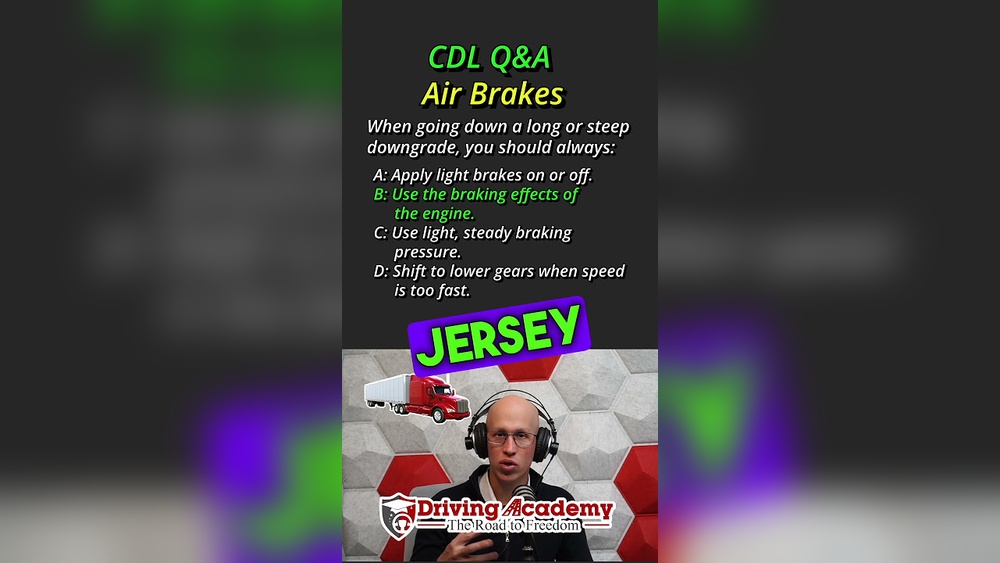
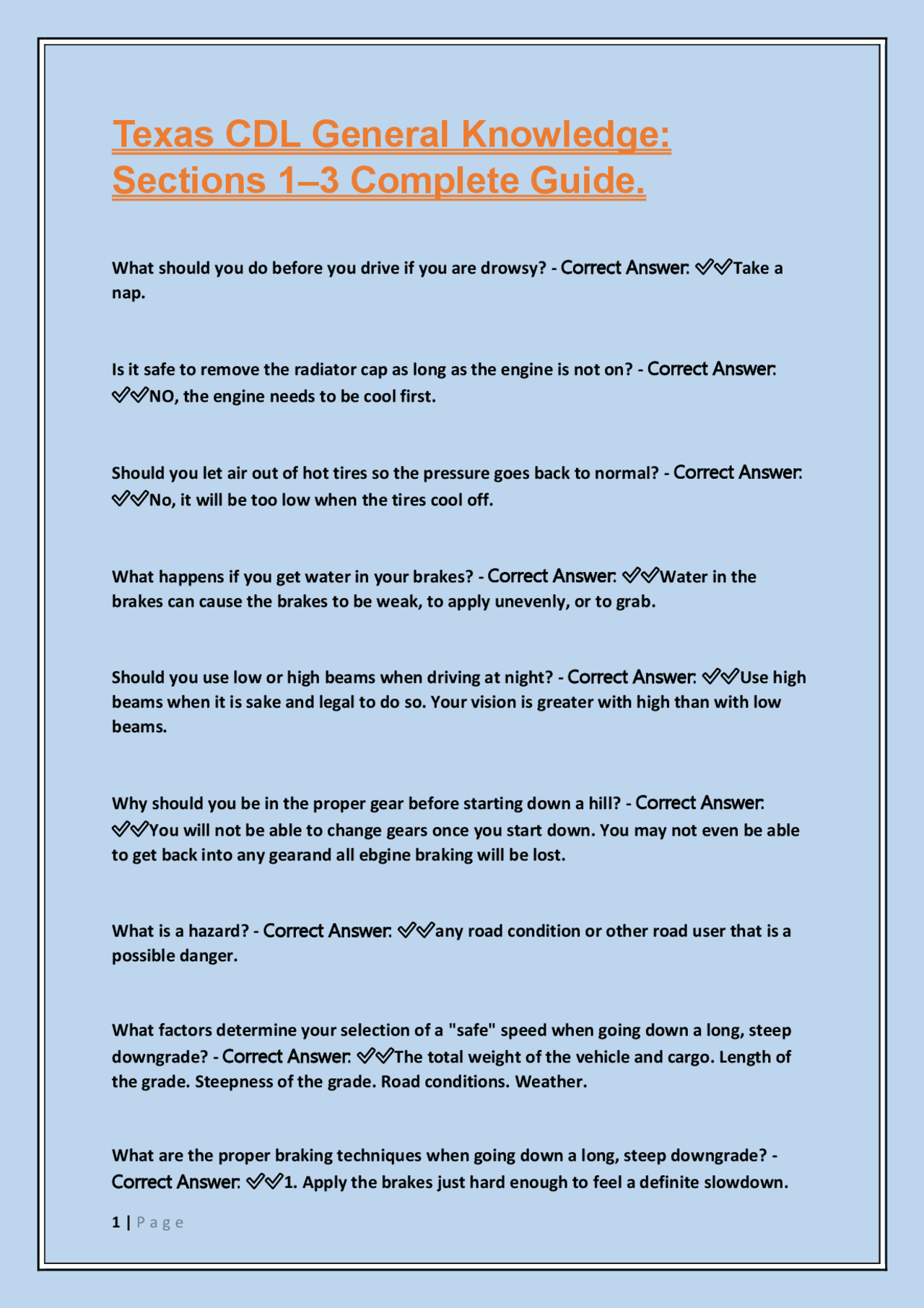
Use engine braking by shifting to a lower gear. This lowers speed without using brakes much. Apply brakes gently and in short bursts. Avoid riding the brakes for a long time. Take breaks on very long hills to let brakes cool down.
Safe Braking Techniques
Safe braking techniques are essential for driving down a long, steep downgrade. Proper braking helps control speed and prevents brake failure. Drivers must use the brakes wisely to stay safe and avoid accidents.
Using Engine Braking
Engine braking means using the engine to slow the vehicle. Shift to a lower gear before the descent starts. This reduces the need to press the brake pedal constantly. It helps keep the brakes cool and prevents overheating.
Intermittent Braking
Press the brake pedal gently and then release it. This method is called intermittent braking. It allows the brakes to cool down between presses. Continuous braking can cause brakes to fail. Intermittent braking keeps the vehicle steady on the slope.
Maintaining Controlled Speed
Keep a steady, slow speed while going downhill. Avoid sudden acceleration or heavy braking. Controlled speed gives you more time to react to road conditions. It also reduces wear on the brakes and tires. Always watch the road ahead and adjust speed safely.
Vehicle Maintenance For Steep Descents
Driving down a long, steep downgrade requires your vehicle to be in top condition. Proper maintenance helps prevent accidents and keeps you safe. Checking key parts of your car before the descent is important.
Focus on the brake system, tires, and cooling system. These areas face the most stress on steep slopes. Keeping them well-maintained ensures better control and reduces risks.
Brake System Checks
Brakes are critical for safe downhill driving. Inspect brake pads for wear and replace them if thin. Check brake fluid levels and top up if low. Test the brake response before starting the descent. Worn or weak brakes can overheat and fail on long slopes.
Tire Condition
Tires must have good tread depth to maintain grip. Check for any cuts, cracks, or bulges on the tire surface. Proper tire pressure helps with control and stability. Underinflated tires can overheat, increasing the risk of blowouts. Well-maintained tires improve safety on steep roads.
Cooling Systems
The engine works harder on long downgrades. Check the radiator and coolant levels before driving. Inspect hoses for leaks or cracks. A healthy cooling system prevents overheating, which can cause engine failure. Keep the cooling system clean and topped off for reliable performance.
Emergency Actions On Downgrades
Driving down a long, steep downgrade can be risky. Emergencies may happen, especially with your brakes. Knowing what to do helps keep you safe. This section explains key emergency actions on downgrades.
What To Do In Brake Failure
Brake failure is a serious problem. First, stay calm and avoid panic. Use your engine to slow down by shifting to a lower gear. Pump the brake pedal fast to build pressure. Use the parking brake slowly, so the wheels do not lock. Look for a safe place to stop and call for help.
Using Escape Ramps
Escape ramps save lives on steep roads. They are soft gravel or sand paths designed to stop vehicles fast. If your brakes fail, steer onto an escape ramp. Keep your foot off the accelerator. Use the ramp to slow down safely and stop your vehicle.
Signaling For Help
Signaling helps others know you need aid. Turn on your hazard lights immediately. Use your horn or flash headlights if safe. Raise the vehicle’s hood or tie a cloth to the antenna. Stay inside your vehicle if the area is unsafe. Call emergency services as soon as possible.

Credit: www.youtube.com
Frequently Asked Questions
What Is The Best Way To Control Speed On A Steep Downgrade?
Use engine braking by shifting to a lower gear before starting the descent. Avoid riding the brakes to prevent overheating. This helps keep your speed steady and safe.
How Often Should You Check Your Brakes Going Downhill?
Check your brakes regularly during the descent, especially on long steep slopes. Make short stops if needed to let brakes cool. This prevents brake failure and keeps you safe.
Why Is Shifting To A Lower Gear Important On Downgrades?
Lower gears increase engine resistance, slowing the vehicle without using brakes. This reduces brake wear and improves control. It’s key for managing speed safely on steep slopes.
Can Riding Brakes On Long Downgrades Cause Accidents?
Yes, riding brakes can cause them to overheat and fail. This may lead to loss of control. Use engine braking and avoid constant brake pressure to stay safe.
Conclusion
Always control your speed and use lower gears to stay safe. Brake gently and avoid riding brakes too long. Keep your focus on the road ahead. Watch for curves and other vehicles carefully. Staying calm helps you react better to changes.
Practice these steps each time you drive downhill. Safety comes first on long, steep downgrades. Remember, careful driving protects you and others. Stay alert, slow down, and enjoy the ride.