Does Jump Starting Someone Else’s Car Damage Your Car? Truth Revealed
Have you ever wondered if jump starting someone else’s car could harm your own? It’s a common question, especially when you’re trying to help a friend or stranger on the road.
You want to be sure that lending a hand won’t lead to costly repairs or unexpected problems for your vehicle. You’ll discover the truth about jump starting and what you need to know to protect your car. Keep reading—your car’s health might depend on it!
Credit: careyandleisure.com
How Jump Starting Works
Jump starting a car sends power from one battery to another to start the engine. It usually does not harm your car if done correctly. Careless connections, though, can cause damage to electrical parts.
Jump starting a car uses the power from another vehicle’s battery. This power helps start the dead battery. It sends electric current through jumper cables.
The working battery acts like a boost. It gives enough energy to start the engine. Once the engine runs, the alternator charges the dead battery.
Role Of The Battery In Jump Starting
The battery stores electrical energy. It powers the starter motor to turn the engine. Without enough power, the engine won’t start.
A dead battery cannot provide this power. The jump start transfers energy from a healthy battery. This transfer allows the engine to start running again.
Using Jumper Cables To Transfer Power
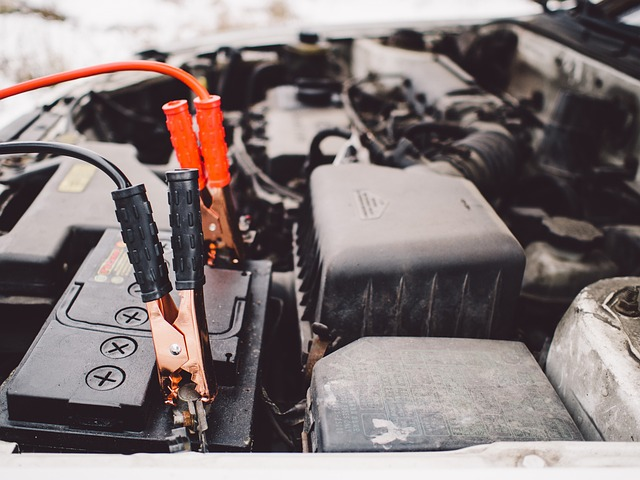
Jumper cables connect two car batteries. Red clips attach to positive terminals. Black clips connect to negative or ground points.
Correct connection is important. It ensures safe and efficient power transfer. Wrong connection can cause sparks or damage.
Engine And Alternator’s Role After Jump Start
Once the engine starts, the alternator takes over. It powers the car’s electrical system. It also recharges the dead battery.
The alternator converts mechanical energy to electrical energy. It keeps the battery charged while the car runs.
Credit: www.stonemountainvw.com
Potential Risks To Your Car
Jump starting another car can be helpful in emergencies. Still, it carries some risks to your vehicle. Knowing these risks helps you avoid damage and keep your car safe.
Even a simple jump start needs care. Mistakes can lead to serious problems for your car’s electrical system or battery.
Battery Damage
Jump starting puts a sudden load on your battery. This strain can shorten its life. If your battery is old or weak, it might fail completely. This means you may need a new battery sooner than expected.
Electrical System Problems
Cars have sensitive electronics inside. A wrong jump start can cause voltage spikes. These spikes can damage important parts like the computer or sensors. Repairing these can be expensive and time-consuming.
Alternator Strain
The alternator helps charge the battery. Jump starting can cause it to work too hard. This extra effort can lead to overheating or early wear. An alternator repair or replacement is often costly.
Risk Of Sparks And Fire
Improper connection of jumper cables can cause sparks. Sparks near the battery may ignite flammable gases. This can lead to a fire or explosion. Always follow safety steps carefully to avoid this danger.
Safe Jump Starting Practices
Jump starting a car safely protects both vehicles and prevents damage. Following clear steps lowers risk and keeps everyone safe. Safety matters most during jump starts. It helps avoid sparks, battery damage, and electrical problems.
Using proper cables and correct order of connection is key. Always check both batteries and cables before starting. Clean battery terminals improve the connection and prevent issues. Never rush the process.
Choose The Right Cables
Use thick, heavy-duty jumper cables. Thin cables can overheat and fail. Red cables connect to positive (+) terminals. Black cables connect to negative (–) terminals. Correct cables and connections avoid sparks and damage.
Connect Cables In The Correct Order
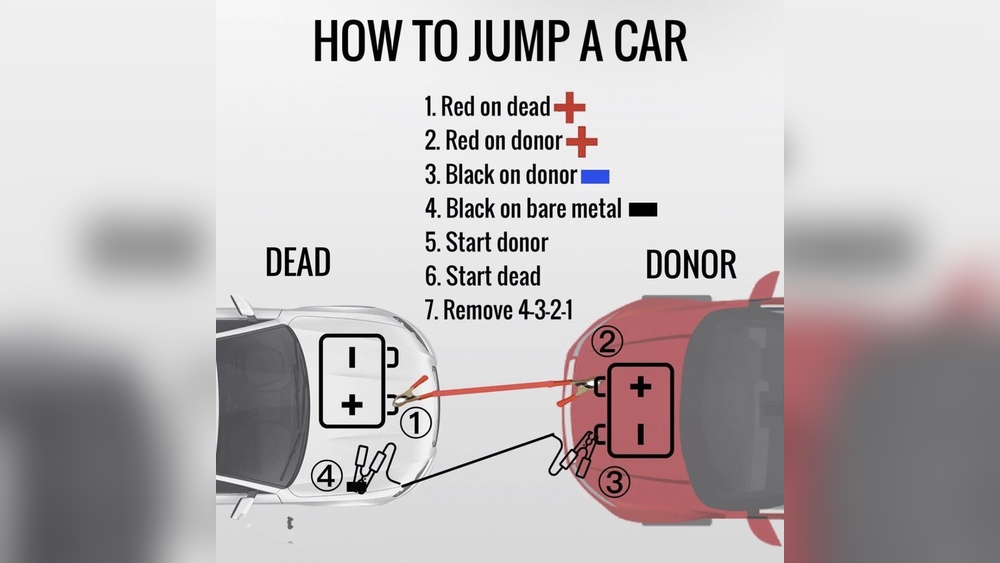
Attach one red clamp to the dead battery’s positive terminal. Attach the other red clamp to the good battery’s positive terminal. Connect one black clamp to the good battery’s negative terminal. Attach the last black clamp to an unpainted metal surface on the dead car’s engine block.
This grounding step reduces spark risk near the battery. Avoid connecting black clamp to the dead battery’s negative terminal.
Keep Both Cars Off Before Connecting
Turn off both vehicles before attaching cables. This prevents electrical surges. Start the working car and let it run for a few minutes. Then try starting the dead car. Remove cables in reverse order after starting.
Inspect Batteries And Cables
Check batteries for cracks, leaks, or damage. Avoid jump starting damaged batteries. Inspect jumper cables for worn or exposed wires. Replace damaged cables before use. Safe equipment prevents accidents and damage.

Credit: www.reddit.com
Signs Of Damage After Jump Starting
Jump starting another car can be helpful but might cause damage. Knowing the signs of damage after jump starting helps protect your vehicle. Some problems show up right away. Others appear after a few days. Watch for unusual changes in your car’s behavior. Early detection can save you from costly repairs.
Battery Issues
The battery may lose charge quickly after a jump start. Look for dim headlights or slow engine cranking. Your car might fail to start again soon. This means the battery could be damaged or weakened. A healthy battery keeps a steady charge and starts the car easily.
Electrical System Problems
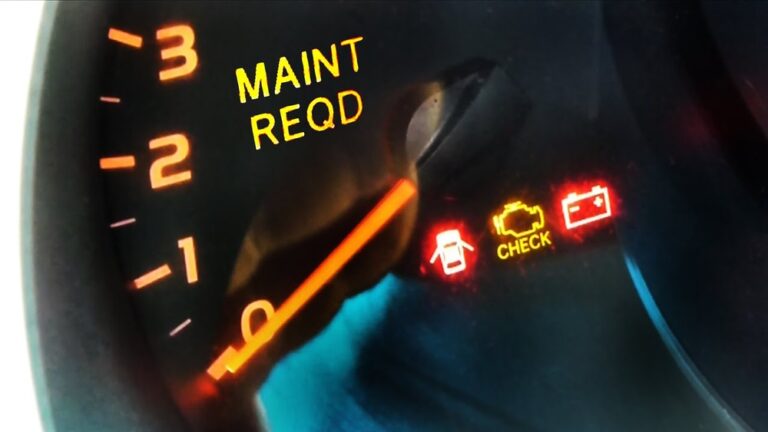
Jump starting can cause electrical glitches. You might see dashboard warning lights flicker or stay on. Radios, lights, or other electronics may work erratically. Strange sounds or smells can also signal electrical damage. These signs mean the jump start affected the car’s wiring or fuses.
Engine Performance Changes
The engine might run rough or stall after a jump start. Hesitation during acceleration or strange noises are warning signs. Your car should run smoothly without interruptions. Any sudden change in engine behavior deserves immediate attention. It may mean damage to the ignition or fuel system.
Alternator Strain
The alternator charges the battery and powers electrical parts. Jump starting can put extra strain on this component. Signs include a whining noise or dimming lights when the engine is running. If the alternator fails, the battery will drain fast. This can leave you stranded without power.
Frequently Asked Questions
Can Jump Starting Another Car Harm Your Battery?
Jump starting another car usually does not harm your battery if done correctly. Using proper jumper cables and following safety steps protects your battery.
Does Jump Starting Cause Electrical Damage To Your Car?
Electrical damage is rare during jump starts if cables connect properly. Incorrect connections or old cables may cause sparks or fuse damage.
How To Safely Jump Start A Car Without Damage?
Connect positive cables first, then negative to a metal ground on the dead car. Avoid touching cables together to prevent sparks and damage.
Can Repeated Jump Starts Wear Out Your Car’s Alternator?
Jump starting itself rarely harms the alternator, but frequent jump starts may strain it. Fixing battery or electrical issues reduces the need to jump start.
Conclusion
Jump starting another car usually does not harm your vehicle. Use the right steps and tools to stay safe. Avoid sparks and keep cables connected properly. Your car’s battery and electrical system handle the process well. Just be cautious with older or weak batteries.
Taking simple precautions protects both cars from damage. Helping someone with a jump start can be quick and easy. Stay calm and follow safety tips for best results. It’s a common car problem that you can solve safely.