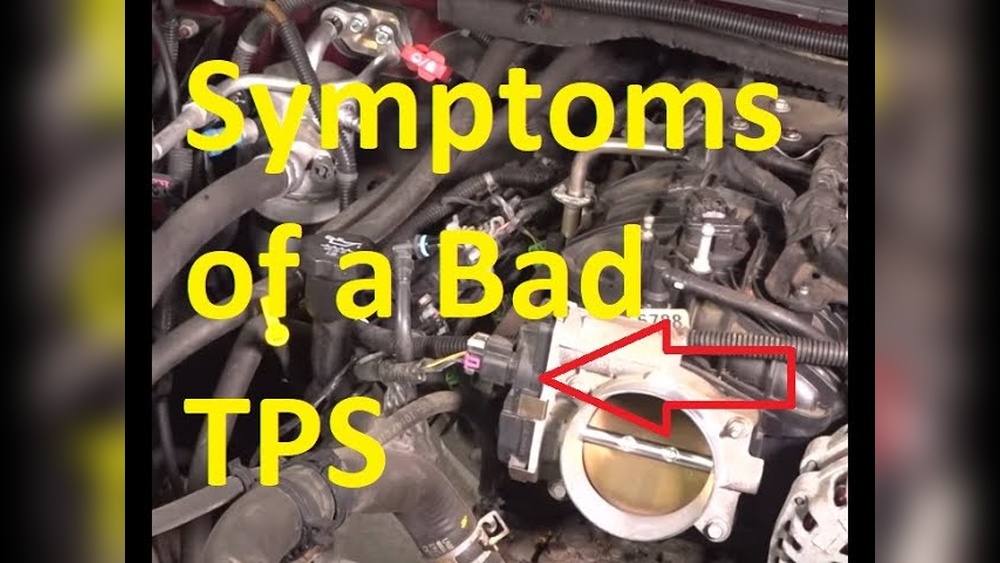
How to Know If Your Throttle Position Sensor is Bad: Easy Signs to Spot
Have you noticed your car acting up lately? Maybe it hesitates when you press the gas or your engine light suddenly turns on.
These could be signs that your throttle position sensor is not working properly. But how do you know for sure if this small but important part is bad? You’ll learn simple ways to spot the warning signs and understand why fixing it quickly can save you from costly repairs.
Keep reading to protect your car and keep it running smoothly.
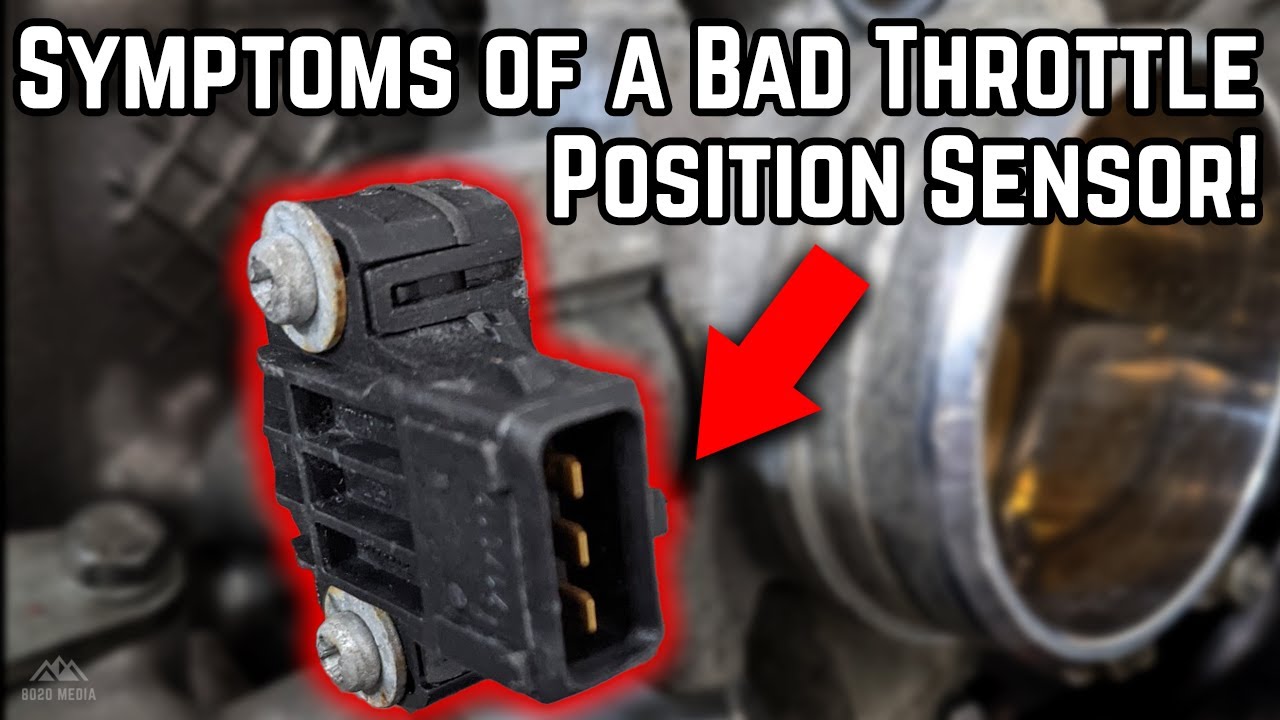
Credit: www.youtube.com
Symptoms Of A Failing Throttle Position Sensor
The throttle position sensor (TPS) controls the throttle valve’s angle. This sensor sends signals to the engine control unit. A bad TPS can cause many engine problems. Recognizing these symptoms early helps avoid bigger issues.
Here are common signs that your throttle position sensor might be failing.
Erratic Or Unstable Idle
The engine may idle roughly or stall unexpectedly. RPMs can jump up and down without warning. This happens because the sensor gives incorrect throttle data.
Poor Acceleration Or Hesitation
Acceleration feels slow or uneven. The car might hesitate when you press the gas pedal. This symptom occurs as the sensor cannot send accurate throttle position signals.
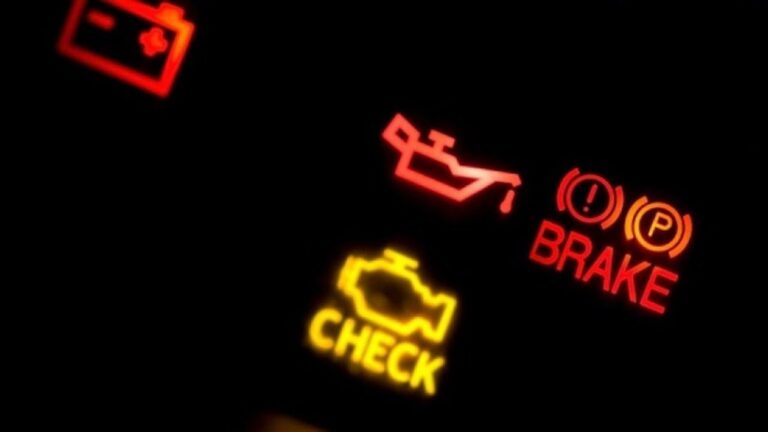
Check Engine Light Turns On
The check engine light often comes on with TPS issues. The engine control unit detects sensor faults and triggers the warning. A diagnostic scan can confirm the problem.
Surging Or Jerking Movements
The vehicle may surge forward or jerk unexpectedly. These movements happen because the sensor sends wrong throttle information. This causes improper fuel and air mixture.
Poor Fuel Economy
The car uses more fuel than usual. A faulty TPS can cause the engine to run rich or lean. This wastes fuel and reduces efficiency.
Difficulty Changing Gears
Automatic transmissions may shift roughly or late. This occurs because the transmission relies on throttle position data. A bad sensor disrupts smooth gear changes.
Common Causes Of Tps Malfunctions
Throttle Position Sensors (TPS) play a key role in how your car runs. They tell the engine how far the throttle is open. This helps control the air and fuel mix. Many things can cause a TPS to stop working right. Knowing these causes helps you spot problems fast. It saves time and money on repairs.
TPS malfunctions can happen from wear and tear or damage. Dirt, heat, and electrical issues often cause problems. Sometimes, the sensor itself just gets old and breaks. Below are some common causes of TPS problems.
Physical Wear And Tear
TPS parts move every time you press the gas pedal. Over time, this movement wears down the sensor. The internal components can get loose or damaged. This wear causes the sensor to send wrong signals to the engine.
Contamination And Dirt
Dirt and dust can get inside the sensor housing. This buildup blocks the sensor’s ability to work well. Oil and grease can also cause problems. Contaminants stop the sensor from reading the throttle position correctly.
Electrical Issues
Wiring problems often cause TPS malfunctions. Loose or broken wires stop the sensor’s signals. Corroded connectors create resistance and signal loss. Faulty wiring can confuse the engine control unit (ECU).
Extreme Heat
Engines get very hot during use. Too much heat can damage the TPS. Plastic parts can melt or warp. Heat can also cause the sensor’s internal electronics to fail.
Faulty Installation
Installing the TPS incorrectly causes early failure. If the sensor is not aligned right, it gives bad readings. Tightening bolts too much can crack the sensor. This leads to poor throttle response and engine issues.
Checking For Engine Performance Issues
Checking for engine performance issues helps identify a bad throttle position sensor. The sensor controls how much air enters the engine. If it fails, the engine may run poorly.
Watch for unusual engine behavior. These signs often point to sensor problems. Noticing them early can prevent bigger car troubles.
Erratic Idling And Stalling
Engine idling may become rough or uneven. The car might stall unexpectedly at stops. This happens because the sensor sends wrong signals about throttle position.
Poor Acceleration Or Hesitation
The vehicle may hesitate when pressing the gas pedal. Acceleration can feel weak or delayed. This lag occurs due to incorrect throttle data reaching the engine control unit.
Surging Or Jerking Movements
The engine may surge forward suddenly without pressing the pedal. Jerking motions during driving are common. These issues arise from inconsistent throttle readings causing fuel delivery errors.
Increased Fuel Consumption
Fuel efficiency drops if the sensor malfunctions. The engine may burn more gas than usual. This waste results from improper air-fuel mixture control.
Credit: repairpal.com
Using A Diagnostic Tool For Tps Testing
A diagnostic tool helps check if the throttle position sensor (TPS) is working right. It reads sensor data to spot any problems early. This tool makes testing quick and clear.
What Is A Diagnostic Tool For Tps Testing?
A diagnostic tool reads signals from your vehicle’s sensors. It helps check if the throttle position sensor (TPS) works right. This tool connects to the car’s computer system through the OBD-II port. It shows live data and error codes from the TPS.
Using this tool saves time and guesswork. It tells you if the TPS sends correct information about throttle position. This step is key to diagnosing throttle issues accurately.
How To Connect The Diagnostic Tool
Locate the OBD-II port under the dashboard near the steering wheel. Plug the diagnostic tool firmly into the port. Turn the vehicle’s ignition on, but do not start the engine. The tool will power up and communicate with the car’s computer.
Follow the tool’s menu to select the TPS sensor. This prepares the tool to read sensor data and detect any faults.
Reading Tps Data With The Diagnostic Tool
The diagnostic tool shows the throttle position as a percentage or voltage. Watch the values change as you press the gas pedal slowly. The readings should increase smoothly without sudden jumps or drops.
Error codes related to the TPS may appear on the screen. Codes like P0120 to P0124 indicate issues with the TPS circuit or sensor. Note these codes for repair or replacement guidance.
Benefits Of Using A Diagnostic Tool For Tps Testing
It provides quick, clear results about TPS health. It avoids replacing parts blindly. The tool helps detect wiring or connection problems. It also confirms if the TPS sensor needs cleaning or full replacement.
Overall, a diagnostic tool makes TPS testing simple and reliable. It guides you to the right fix, saving money and effort.
Physical Inspection Of The Throttle Position Sensor
Physical inspection of the throttle position sensor (TPS) helps find visible problems. This sensor controls the air-fuel mix by measuring throttle opening. Checking it closely can reveal signs of damage or wear. Simple steps make the process easy and fast.
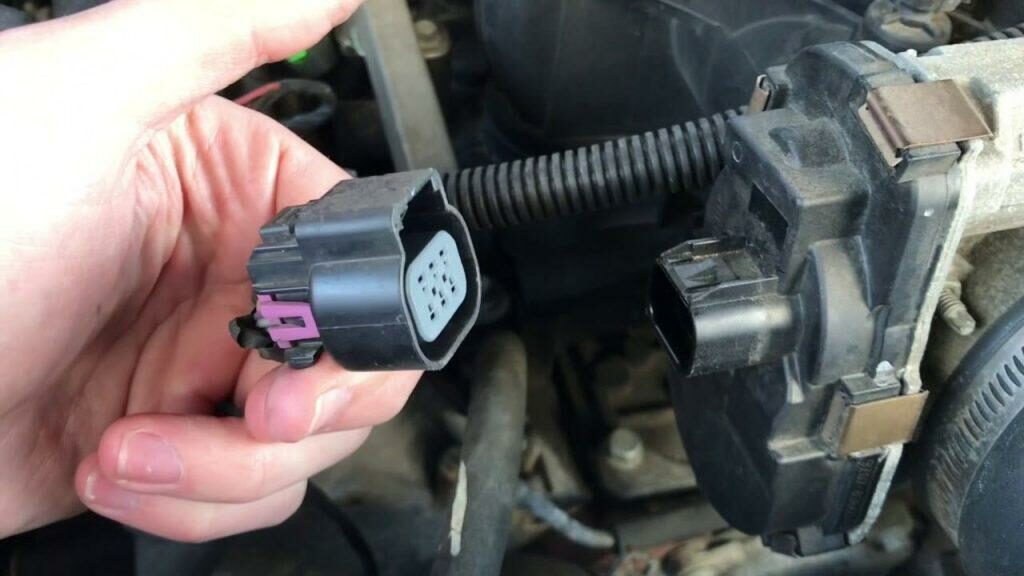
Start by locating the sensor near the throttle body. It connects with screws and an electrical plug. Look for cracks, dirt, or loose parts. These issues can stop the sensor from working right.
Check For Physical Damage
Inspect the sensor housing for cracks or breaks. Damaged parts can cause wrong readings. Also, check screws to ensure they are tight. Loose screws affect sensor position and signal.
Look For Dirt And Debris
Dirt or oil on the sensor affects its function. Use a clean cloth to wipe the surface gently. Avoid harsh chemicals that might harm the sensor. Keeping it clean helps maintain accurate readings.
Inspect Electrical Connections
Examine the wiring and plug for corrosion or looseness. Bad connections cause signal loss or errors. Make sure the plug fits firmly into the sensor. Repair or replace damaged wires as needed.
When To Replace Your Throttle Position Sensor
Your car may stall, hesitate, or have poor fuel economy when the throttle position sensor is failing. Strange engine behavior or a check engine light can also signal a bad sensor. Early replacement helps keep your vehicle running smoothly.
Signs Of A Failing Throttle Position Sensor
Your car may show strange behavior when the throttle position sensor (TPS) is bad. The engine might stall or hesitate during acceleration. You could notice poor fuel efficiency or rough idling. These symptoms suggest the TPS is not working properly and might need replacement.
Dashboard Warning Lights
The check engine light often comes on if the TPS fails. The car’s computer detects incorrect signals from the sensor. This alert warns you to have the sensor checked soon. Ignoring it could lead to worse engine problems.
Frequent Engine Stalling Or Surging
Engine stalling or sudden surges can happen with a faulty TPS. The sensor controls how much air enters the engine. If it sends wrong data, the engine may stop or speed up unexpectedly. This unsafe behavior needs prompt attention and possibly replacing the sensor.
Poor Acceleration And Performance
A bad TPS can cause slow or jerky acceleration. The engine may hesitate when you press the gas pedal. This issue happens because the sensor sends incorrect throttle position data. Replacing the TPS restores smooth and responsive driving.
Failed Emissions Test
Vehicles with a bad TPS often fail emissions tests. The sensor affects the air-fuel mix needed for clean burning. A bad sensor can cause higher emissions and test failure. Replacing the TPS improves emissions and helps pass inspections.
Credit: www.usedcars.co.ke
Frequently Asked Questions
What Are Common Symptoms Of A Bad Throttle Position Sensor?
A bad throttle position sensor causes rough idling and engine stalling. You might notice poor acceleration and a check engine light.
How Can I Test My Throttle Position Sensor At Home?
Use a multimeter to check sensor voltage changes while pressing the gas pedal. Consistent readings mean the sensor works well.
Can A Faulty Throttle Position Sensor Affect Fuel Economy?
Yes, it can cause poor fuel mixing, leading to higher fuel use. This makes your car less efficient and costs more.
How Does A Bad Throttle Position Sensor Impact Engine Performance?
It sends wrong signals to the engine computer, causing jerky or slow responses. This leads to rough driving and power loss.
When Should I Replace A Throttle Position Sensor?
Replace it if symptoms persist after cleaning or if tests show faulty readings. Early replacement avoids engine damage and driving issues.
Conclusion
A faulty throttle position sensor can cause many car problems. Watch for rough idling, poor acceleration, or stalling. Check the sensor if your engine light turns on. Fixing or replacing a bad sensor improves driving safety and fuel efficiency. Regular car care helps you avoid costly repairs later.
Stay alert to how your car feels and sounds. Early action saves time and money. Keep your vehicle running smooth and safe.