Is It Ok to Switch from Conventional to Synthetic Oil? Expert Insights
Are you thinking about switching from conventional to synthetic oil but aren’t sure if it’s the right move? You’re not alone.
Many car owners wonder if synthetic oil really makes a difference or if it could harm their engine. The truth is, making the switch can impact your car’s performance, fuel efficiency, and engine life. But is it safe? Will it save you money in the long run?
Keep reading to find out everything you need to know before making the change—and make the best choice for your vehicle.
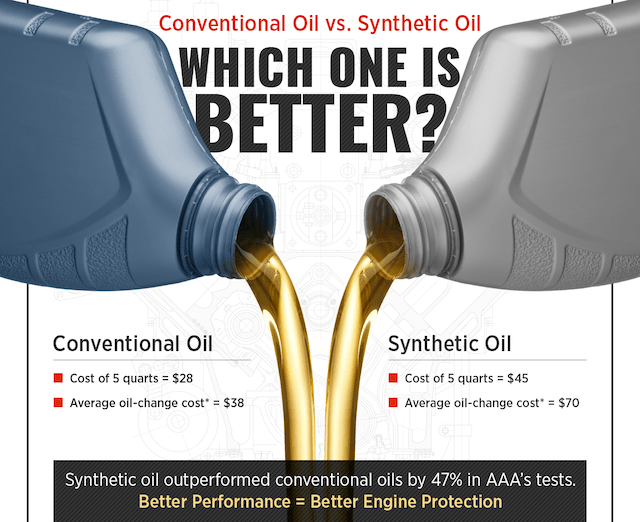
Credit: magazine.northeast.aaa.com
Differences Between Conventional And Synthetic Oil
Understanding the differences between conventional and synthetic oil helps in choosing the right one for your vehicle. Both types serve the same purpose but vary in how they are made and perform. This section breaks down their main differences in composition, performance, longevity, and cost.
Composition And Performance
Conventional oil is made from crude oil refined to remove impurities. It contains natural compounds and additives to improve its function. Synthetic oil is engineered in labs with uniform molecules. This gives it better purity and consistency.
Synthetic oil flows smoothly at low temperatures and resists breakdown at high heat. Conventional oil thickens in cold weather and breaks down faster under stress. Synthetic oil provides stronger engine protection and keeps parts cleaner.
Longevity And Protection
Synthetic oil lasts longer between changes. It can protect your engine for 7,500 to 15,000 miles. Conventional oil usually needs changing every 3,000 to 5,000 miles. Synthetic oil also reduces engine wear by resisting oxidation and sludge build-up.
Conventional oil does protect well but tends to degrade faster. This means more frequent oil changes and slightly higher engine wear over time.
Cost Comparison
Conventional oil costs less upfront. It is a budget-friendly option for routine oil changes. Synthetic oil is more expensive, sometimes double the price of conventional oil.
The higher cost of synthetic oil comes with longer change intervals and better engine care. Over time, synthetic oil may save money by reducing repairs and improving fuel efficiency.
Credit: pro-lube.com
Benefits Of Switching To Synthetic Oil
Switching from conventional to synthetic oil offers many benefits for your vehicle. Synthetic oil is designed to protect your engine better. It works well under different driving conditions. This makes it a smart choice for many car owners.
Enhanced Engine Efficiency
Synthetic oil flows more smoothly than conventional oil. It reduces friction inside the engine parts. Less friction means the engine uses less energy. This helps your car run more efficiently. You may notice better fuel economy and smoother driving.
Better Temperature Stability
Synthetic oil handles extreme temperatures well. It stays stable in very hot or cold weather. This prevents the oil from breaking down quickly. Your engine stays protected no matter the weather. It also helps the oil last longer between changes.
Reduced Engine Wear
Synthetic oil provides stronger protection against engine wear. It forms a better barrier on engine parts. This reduces metal-to-metal contact and damage. Over time, your engine stays cleaner and lasts longer. It means fewer repairs and better performance.
Potential Risks And Considerations
Switching from conventional to synthetic oil seems simple but has some risks. Knowing these helps you avoid problems. Consider your engine’s age, seals, and warranty before changing oil type.
Compatibility With Older Engines
Older engines may not work well with synthetic oil. Synthetic oil flows differently and cleans better. This can loosen sludge that protects old engines. Loose sludge may clog oil passages and cause damage. Some older engines have worn parts needing thicker oil. Synthetic oil is usually thinner and may not protect well. Check your engine’s needs before switching oil types.
Possible Seal Leaks
Synthetic oil can cause seals to shrink or leak. Seals in older cars may dry out from using synthetic oil. Leaking seals let oil drip, leading to engine damage. Watch for oil spots under your car after changing oil. If leaks appear, consult a mechanic quickly. Using synthetic oil in new engines usually does not cause leaks. Still, keep an eye on seals after the switch.
Warranty And Manufacturer Guidelines
Car makers give clear rules on oil use. Using oil outside these rules may void warranties. Some manufacturers require conventional oil for certain models. Others approve synthetic oil for better performance. Always read your owner’s manual before changing oil. Following guidelines keeps your warranty valid. Ignoring rules can cause costly repairs you must pay.
Credit: blog.amsoil.com
Tips For A Smooth Transition
Switching from conventional to synthetic oil can improve your engine’s life and performance. A smooth change helps avoid engine problems and keeps your car running well. Follow these simple tips for an easy switch that benefits your vehicle.
Choosing The Right Synthetic Oil
Pick synthetic oil that meets your car’s specifications. Check the owner’s manual for the right oil grade and type. Look for oils with proper certifications like API or ILSAC. Avoid cheap oils that do not meet standards. Quality oil protects your engine and lasts longer.
Timing Your Oil Change
Change your oil when your engine is warm but not hot. Warm oil drains better, removing old oil and debris. Do not wait too long between changes. Follow the recommended mileage for oil changes. Regular oil changes keep your engine clean and running smoothly.
Monitoring Engine Performance
After switching, watch for any unusual noises or changes. Check your oil level often during the first few weeks. Notice if the engine runs quieter or smoother. If you see leaks or smoke, get your car checked. Early monitoring helps catch problems early and keeps your engine safe.
Frequently Asked Questions
Can I Switch From Conventional To Synthetic Oil Anytime?
Yes, you can switch anytime. Just make sure to use the right oil grade for your car. Synthetic oils clean the engine better and last longer.
Will Synthetic Oil Improve My Car’s Performance?
Synthetic oil flows better and reduces engine wear. This can lead to smoother running and better fuel efficiency.
Is Synthetic Oil Safe For Older Engines?
Synthetic oil is generally safe for older engines. It helps reduce sludge and keeps engine parts clean.
Do I Need To Change Oil More Often With Synthetic Oil?
No, synthetic oil usually lasts longer than conventional oil. This means you can go more miles between oil changes.
Conclusion
Switching from conventional to synthetic oil can benefit your engine’s health. Synthetic oil lasts longer and protects better in extreme temperatures. It helps your car run smoothly and may improve fuel efficiency. Make sure to check your vehicle’s manual before changing oils.
Keep an eye on oil levels and change intervals. Choose the right oil type for your driving habits. Taking these steps keeps your engine clean and working well. Switching oil types is okay with proper care and information.