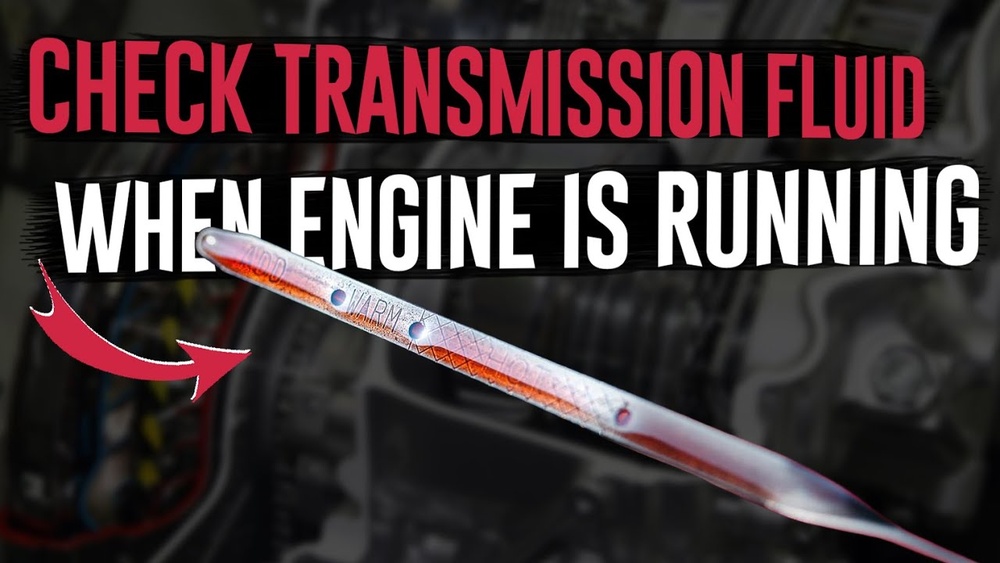
Does Car Need to Be Running to Check Transmission Fluid? Expert Tips
Are you wondering if your car needs to be running to check the transmission fluid? This is a question many drivers have but few get a clear answer to.
Knowing the right way to check your transmission fluid can save you from costly repairs and keep your car running smoothly. You’ll discover why it matters whether your engine is on or off, how to check your fluid the right way, and what signs to watch for to protect your vehicle.
Keep reading to make sure you’re taking the best care of your car’s transmission.
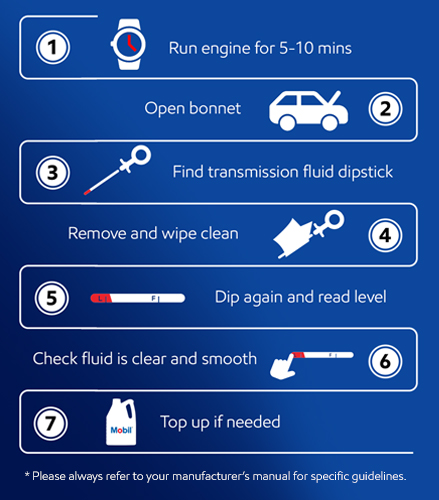
Credit: www.mobil.co.uk
When To Check Transmission Fluid
Knowing when to check your car’s transmission fluid helps keep your vehicle running smoothly. Checking at the right time ensures accurate results. It can prevent damage and costly repairs.
Transmission fluid levels change depending on the car’s condition and use. Temperature also affects the fluid level. Checking too early or too late may give wrong readings.
Check Transmission Fluid When The Engine Is Warm
Transmission fluid expands as it warms up. Most cars need the engine running and warm to get a correct reading. Let the car idle for a few minutes before checking.
Check Fluid After Driving For A While
Driving heats the transmission fluid to the right temperature. Stop the car on a level surface. Then check the fluid to see the true level and condition.
Check Fluid Regularly As Part Of Maintenance
Routine checks help catch problems early. Check the fluid every few thousand miles or as your owner’s manual suggests. Clean, proper fluid keeps your transmission healthy.
Check Fluid If You Notice Transmission Issues
Slipping gears, strange noises, or delayed shifting can mean low or dirty fluid. Check the transmission fluid immediately to avoid further damage.
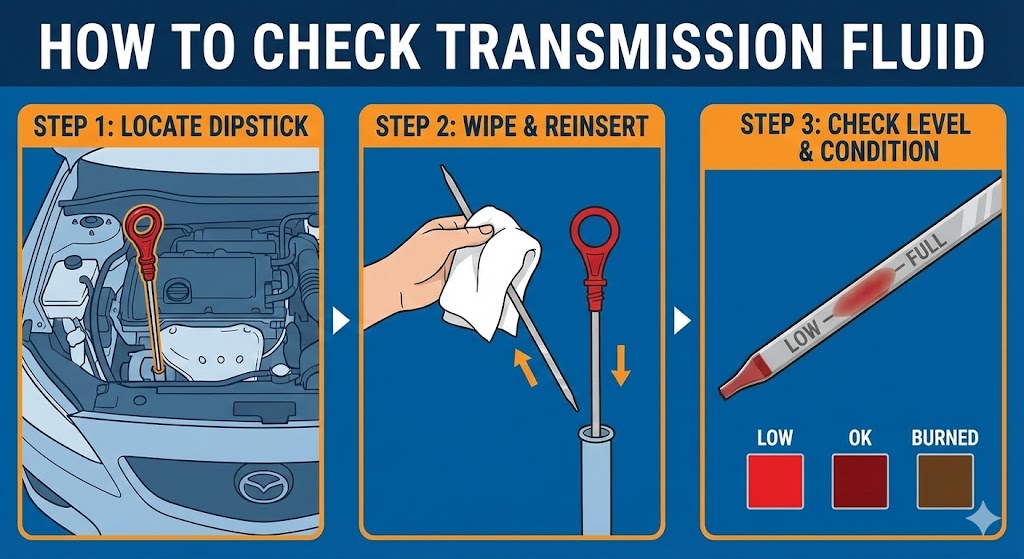
Credit: www.marinmazda.net
Engine On Vs. Engine Off Methods
Checking transmission fluid is important for car health. There are two ways to check it: with the engine on or off. Each method gives different results and suits different situations. Understanding both methods helps you get the right reading and avoid mistakes.
Engine On Method
In this method, the engine runs while you check the fluid. The car should be in park or neutral. The engine heats the fluid, making it easier to measure the true level. This method shows the fluid at normal operating temperature. It helps detect problems like low fluid or contamination.
Engine Off Method
Here, the engine is off before checking the fluid. The car should be on a flat surface. This method measures fluid when it is cool. The level might appear lower than normal. It is simpler but less accurate for modern cars. Some manufacturers recommend this method, so always check your owner’s manual.
Step-by-step Fluid Check Process
Checking your car’s transmission fluid is a key task to keep the vehicle running smoothly. Knowing how to do it correctly helps avoid damage and costly repairs. Follow this step-by-step fluid check process to get accurate results.
This guide shows how to check the fluid safely and effectively. It includes all the steps from preparing your car to reading the fluid level.
Prepare Your Car
Park your car on a flat surface. Turn off the engine if the manual says so, or keep it running if required. Apply the parking brake for safety. Wait for the engine to warm up, usually five to ten minutes. This helps get the right fluid temperature.
Locate The Transmission Dipstick
Open the hood and find the transmission dipstick. It usually has a red or yellow handle. If you cannot find it, check the owner’s manual. Some newer cars do not have a transmission dipstick.
Check The Fluid Level
Pull out the dipstick carefully. Wipe it clean with a rag or paper towel. Insert it back fully into the tube. Pull it out again to check the fluid level. The fluid should be between the “Full” and “Add” marks.
Inspect The Fluid Condition
Look at the fluid on the dipstick. It should be clear and red or pink. Dark or burnt-smelling fluid means it needs changing. Cloudy or dirty fluid can cause transmission problems.
Add Transmission Fluid If Needed
If the fluid is low, add the correct type slowly. Use a funnel to avoid spills. Check the level again after adding fluid. Do not overfill, as this can harm the transmission.

Credit: www.youtube.com
Signs Of Transmission Fluid Issues
Transmission fluid problems often cause rough shifting or strange noises. Checking the fluid level helps spot these issues early. The car usually needs to be running for an accurate fluid check.
Transmission fluid keeps your car’s transmission running smoothly. It lubricates, cools, and helps shift gears. When the fluid is low or dirty, problems start. Recognizing early signs can save you from costly repairs.
Watch for unusual symptoms. They often indicate transmission fluid troubles. Acting quickly can prevent further damage and keep your car safe on the road.
Unusual Noises
Grinding, whining, or clunking sounds may come from the transmission. These noises often mean the fluid is low or old. Without enough fluid, parts do not move smoothly. Strange sounds are a clear warning sign.
Slipping Gears
The car may slip out of gear or hesitate to change gears. This happens when the fluid cannot create the right pressure. Slipping gears can make driving unsafe and damage the transmission.
Delayed Or Rough Shifting
Shifts that feel slow or rough can signal fluid issues. The transmission fluid needs to be clean and at the right level. Dirty or low fluid affects how smoothly the car shifts gears.
Burning Smell
A strong burning odor may come from the transmission area. This smell often means the fluid is overheating or burning. Overheated fluid loses its ability to protect transmission parts.
Transmission Warning Light
The dashboard may show a warning light for transmission problems. This light can indicate fluid issues or other transmission faults. Do not ignore this alert, as it signals a problem inside.
Fluid Leaks
Finding red or brown fluid under your car is a sign of a leak. Leaks lower the fluid level and cause transmission problems. Check the fluid level regularly to avoid damage.
Frequently Asked Questions
Does The Car Need To Be Running To Check Transmission Fluid?
Yes, the car usually needs to be running and warmed up to check the transmission fluid level. This ensures an accurate reading as the fluid circulates properly when the engine is on.
What Happens If I Check Transmission Fluid With The Engine Off?
Checking transmission fluid with the engine off can give a false low reading. The fluid settles when off, so the level may appear lower than it actually is.
How Often Should Transmission Fluid Be Checked?
It’s best to check transmission fluid every 30,000 to 60,000 miles. Regular checks help prevent transmission problems and keep your car running smoothly.
Can I Check Transmission Fluid Without A Dipstick?
Some newer cars don’t have a dipstick and need a mechanic to check the fluid. If unsure, consult your owner’s manual or a professional for guidance.
Conclusion
Checking your transmission fluid is key to keeping your car healthy. The engine usually needs to run for an accurate reading. This helps the fluid warm up and circulate well. Always follow your car’s manual for the best advice. Regular checks can prevent costly repairs down the road.
A little care goes a long way in vehicle maintenance. Stay safe and keep your car running smoothly. Simple steps make a big difference.