Do I Need an Alignment After Replacing Sway Bar Links? Essential Guide
Have you just replaced your sway bar links and wondered if you need an alignment afterward? It’s a common question that many car owners face.
Getting this right can save you from uneven tire wear, shaky handling, and costly repairs down the road. You’ll discover when an alignment is necessary and how it affects your car’s performance and safety. Keep reading to make sure your vehicle stays smooth and steady on every drive.

Credit: www.reddit.com
Role Of Sway Bar Links In Vehicle Suspension
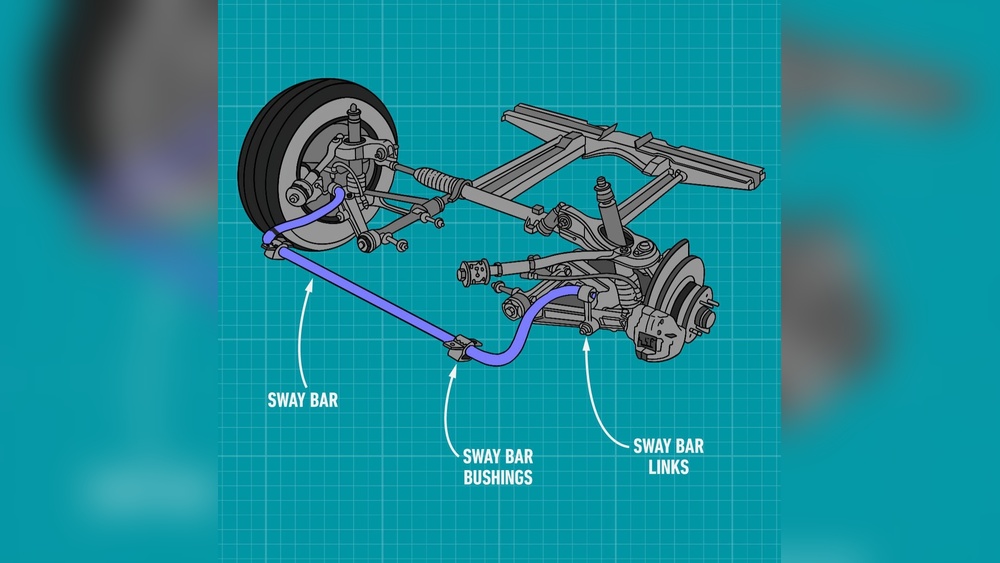
Sway bar links play a key role in the suspension system of a vehicle. They connect the sway bar to the suspension, helping control body roll during turns. This connection keeps the car stable and balanced on the road.
By reducing body lean, sway bar links improve handling and safety. They allow the tires to maintain better contact with the road surface. This leads to improved traction and smoother rides, especially on curves and uneven roads.
Without properly functioning sway bar links, a vehicle may feel unstable or sway excessively. This can affect steering control and increase the risk of accidents. Keeping sway bar links in good shape is important for overall suspension performance.
The Connection Between Sway Bar And Suspension
Sway bar links join the sway bar to the suspension arms. They transmit forces that reduce side-to-side body movement. This helps the vehicle stay level during sharp turns or sudden maneuvers.
Impact On Vehicle Stability And Handling
Good sway bar links enhance steering response and cornering ability. They limit excessive body roll, making the car feel more controlled. Drivers can maneuver safely at higher speeds with less sway.
Signs Of Worn Sway Bar Links
Clunking noises during turns often indicate worn sway bar links. The vehicle may also lean more in corners or feel loose. Early replacement prevents further suspension damage and maintains stability.

Credit: www.reddit.com
Impact Of Sway Bar Link Replacement On Alignment
Replacing sway bar links usually does not affect wheel alignment. Still, a quick check ensures your vehicle drives straight and handles well. Alignment may only be needed if other suspension parts are disturbed during the repair.
What Happens During Sway Bar Link Replacement
Sway bar links connect the sway bar to the suspension. They help keep the vehicle stable when turning. Over time, these links wear out or break. Replacing them restores proper suspension function. The process involves removing old links and installing new ones.
This repair mainly affects the suspension’s movement. It does not directly change wheel alignment angles. The sway bar links keep the suspension balanced, but alignment settings stay mostly the same.
Possible Effects On Wheel Alignment
Replacing sway bar links usually does not change alignment settings. The links do not control camber, caster, or toe angles. These angles affect how tires touch the road and wear over time. Unless the suspension is disturbed during replacement, alignment stays intact.
In some cases, suspension parts move slightly during repair. This movement might affect alignment a little. But this is rare and often small enough to ignore. Most drivers do not notice any change in steering or tire wear.
When To Consider Getting An Alignment
Check alignment if the vehicle pulls to one side after repair. Uneven tire wear or strange steering feel are signs too. If suspension parts other than sway bar links were changed, an alignment check is wise. Also, if the vehicle hit a curb or pothole recently, alignment may be affected.
Alignment ensures tires wear evenly and the car drives straight. It improves safety and extends tire life. Getting an alignment costs extra but provides peace of mind after suspension work.
Signs You Need An Alignment After Replacement
Replacing sway bar links can affect your vehicle’s alignment. It is important to watch for signs that an alignment might be necessary. Ignoring these signs can lead to uneven tire wear and poor handling. Knowing what to look for helps keep your car safe and comfortable to drive.
Uneven Tire Wear
Check your tires for uneven wear patterns. If one side wears faster than the other, alignment could be off. Uneven wear reduces tire life and affects driving safety.
Vehicle Pulls To One Side
Notice if your car pulls to the left or right while driving straight. This pull often means the wheels are not aligned properly. It can cause driver fatigue and affect control.
Steering Wheel Off-center
The steering wheel should be straight when driving straight. If it tilts or feels crooked, the alignment may need adjustment. This issue can make steering harder and less precise.
Vibrations Or Shaking
Feel vibrations or shaking through the steering wheel or floor? This can indicate alignment problems after sway bar link replacement. Vibrations make driving uncomfortable and unsafe.
Credit: www.tacomaworld.com
Steps For Checking And Correcting Alignment
Checking and correcting your vehicle’s alignment after replacing sway bar links is important. It helps keep your car safe and drives smoothly. Misalignment can cause uneven tire wear and poor handling. Follow these simple steps to check and fix your alignment properly.
Inspect Tire Wear Patterns
Look closely at your tires for uneven wear. Worn spots or bald patches might mean alignment issues. Compare the inside and outside edges of each tire. Uneven wear signals a need for alignment correction.
Perform A Visual Alignment Check
Park your car on a flat, level surface. Stand in front and behind the vehicle. Check if the wheels point straight ahead. Also, see if the tires line up evenly side to side. Any tilt or misalignment shows a problem.
Measure Wheel Angles
Use an alignment tool or take your vehicle to a shop. They measure camber, toe, and caster angles. These angles should match your car’s specifications. Incorrect angles require adjustment to prevent damage.
Adjust Alignment Settings
Adjust tie rods or control arms as needed. Small changes can fix toe and camber angles. Turn parts slowly and recheck the angles after each adjustment. Proper alignment ensures even tire wear and stable driving.
Test Drive And Final Check
Drive your car on a straight road. Feel if the steering wheel pulls to one side. Listen for unusual noises or vibrations. Stop and re-inspect the alignment if anything feels off. A smooth drive means your alignment is correct.
Frequently Asked Questions
Do I Need A Wheel Alignment After Replacing Sway Bar Links?
A wheel alignment is usually not needed just for sway bar link replacement. These parts affect stability, not wheel angles. But if you notice steering issues, get an alignment check.
Can Replacing Sway Bar Links Affect My Car’s Handling?
Yes, new sway bar links can improve handling by reducing body roll. Old or broken links cause wobbling and uneven turns. Proper installation is key for smooth driving.
How Do I Know If My Sway Bar Links Are Worn Out?
Look for clunking noises when turning or driving over bumps. Also, check for loose or broken links during a visual inspection. Worn links reduce vehicle stability and ride comfort.
What Problems Arise From Skipping Alignment After Suspension Repairs?
Skipping alignment can cause uneven tire wear and poor handling. It may also lead to steering pulling to one side. Alignments keep your vehicle safe and tires lasting longer.
Conclusion
Replacing sway bar links can affect your vehicle’s alignment. Getting an alignment check helps keep your car safe and stable. Misalignment can cause uneven tire wear and poor handling. A quick alignment ensures smooth driving and longer tire life. Don’t skip this step after replacing sway bar links.
It’s a small effort that makes a big difference. Stay safe and enjoy a comfortable ride every time you drive.