What Happens If You Drive Without Power Steering Fluid: Risks Explained
Have you ever wondered what happens if you drive without power steering fluid? You might think it’s no big deal, but the truth could surprise you.
Your power steering fluid plays a key role in making your car easy to steer and control. Without it, driving can quickly turn from smooth to stressful—and even dangerous. Keep reading to find out exactly what risks you face, how your car reacts, and why ignoring this small detail could cost you big time.
Don’t let a simple fluid shortage catch you off guard!
Credit: www.autotechiq.com
Role Of Power Steering Fluid
Power steering fluid helps the steering system work smoothly. Without it, steering becomes hard and can damage the car. Driving without this fluid makes turning difficult and unsafe.
What Power Steering Fluid Does
Power steering fluid helps move the steering parts smoothly. It acts like a special oil inside your car’s steering system.
This fluid makes turning the wheel easier. Without it, steering would feel very hard and heavy.
How It Protects The Steering System
The fluid also protects the steering parts from damage. It keeps the moving parts from rubbing too much.
It stops the parts from wearing out quickly. This helps the steering system last longer and work well.
Power Steering Fluid And Vehicle Safety
Good fluid levels help you steer safely. It lets you control the car better, especially in tight spaces.
Low or no fluid can make steering unsafe. It can cause slow or stiff responses while driving.
Credit: carfromjapan.com
Signs Of Low Or No Power Steering Fluid
Power steering fluid keeps your steering smooth and easy. Without enough fluid, driving becomes harder and unsafe. Recognizing the signs of low or no power steering fluid can save you from big problems. These signs often appear before serious damage happens.
Unusual Steering Noise
You might hear whining or groaning sounds when turning the wheel. These noises occur because the pump struggles without enough fluid. The sound often gets louder as you steer more.
Hard Or Stiff Steering
Turning the wheel feels heavy and tough. It takes more effort to steer, especially at low speeds. This stiffness signals that power steering fluid is low or missing.
Fluid Leaks Under The Vehicle
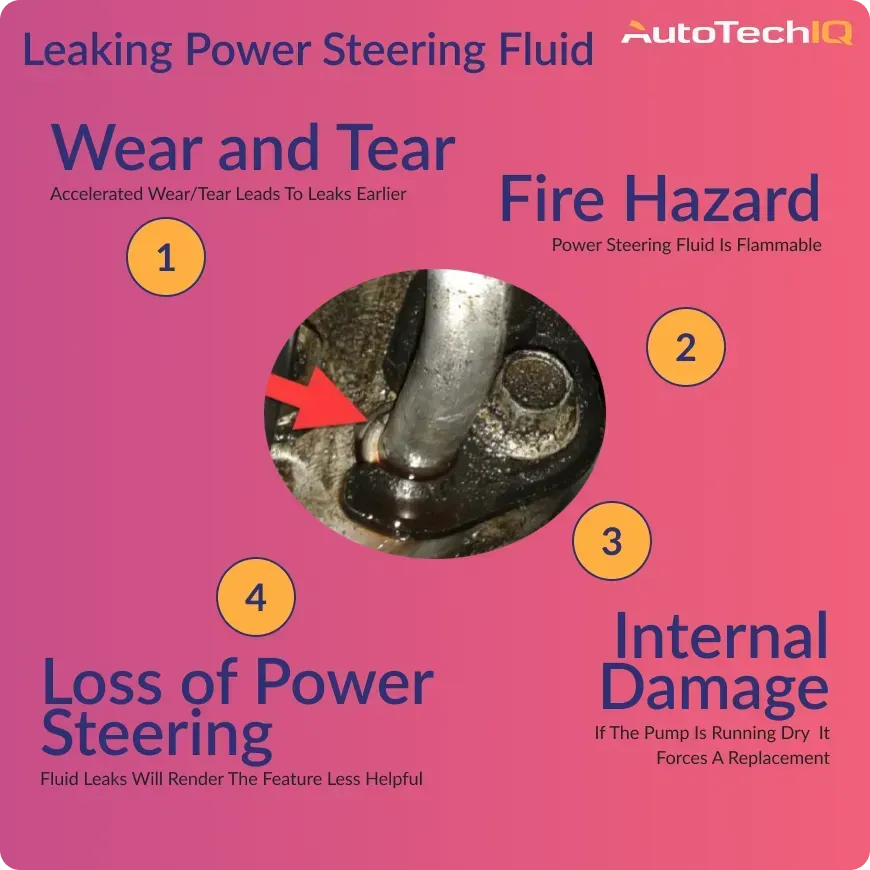
Check under your car for puddles or wet spots. Power steering fluid leaks are usually red or light brown. Leaks mean fluid is escaping and levels are dropping fast.
Steering Wheel Does Not Return Smoothly
After turning, the steering wheel should gently return to center. If it stays stuck or moves slowly back, fluid levels might be low. This affects the steering system’s performance.
Warning Light On The Dashboard
Some cars have a power steering warning light. It may turn on if the fluid is low or system fails. Pay attention to any dashboard alerts to avoid steering issues.
Dangers Of Driving Without Fluid
Driving without power steering fluid can cause serious problems. This fluid helps you steer smoothly and safely. Without it, controlling the vehicle becomes hard and risky.
The dangers rise quickly as the steering system struggles to work. Ignoring low or empty fluid can lead to costly repairs and unsafe driving conditions.
Difficult Steering Control
Power steering fluid makes turning the wheel easy. Without it, the steering feels stiff and heavy. This can surprise drivers and cause loss of control.
Increased Risk Of Accidents
Hard steering means slower reaction times. Drivers may not turn fast enough to avoid obstacles. This raises the chance of crashes on the road.
Damage To Steering Components
Power steering fluid lubricates system parts. Without fluid, parts wear out quickly. This leads to expensive repairs or total system failure.
Overheating Of The Steering Pump
The pump relies on fluid for cooling. Without fluid, it overheats and breaks down. This stops the power steering from working completely.
Preventive Measures And Maintenance Tips
Preventive measures and regular maintenance keep your power steering system healthy. They help avoid costly repairs and improve driving safety. A simple routine can extend the life of your vehicle’s steering parts.
Checking the power steering fluid level is key. Low fluid causes hard steering and damages the pump. Catching leaks early prevents fluid loss and steering issues.
Checking Power Steering Fluid Level Regularly
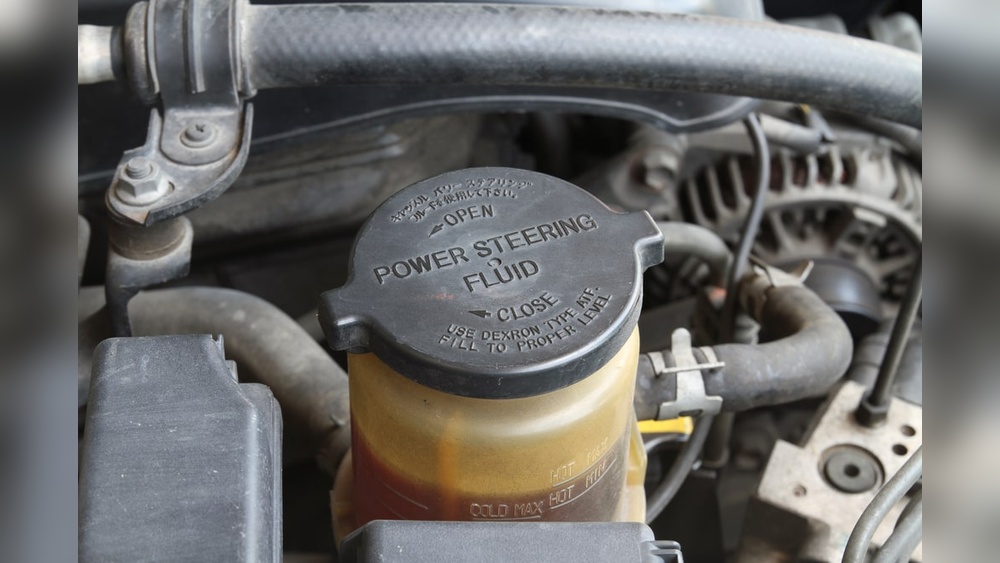
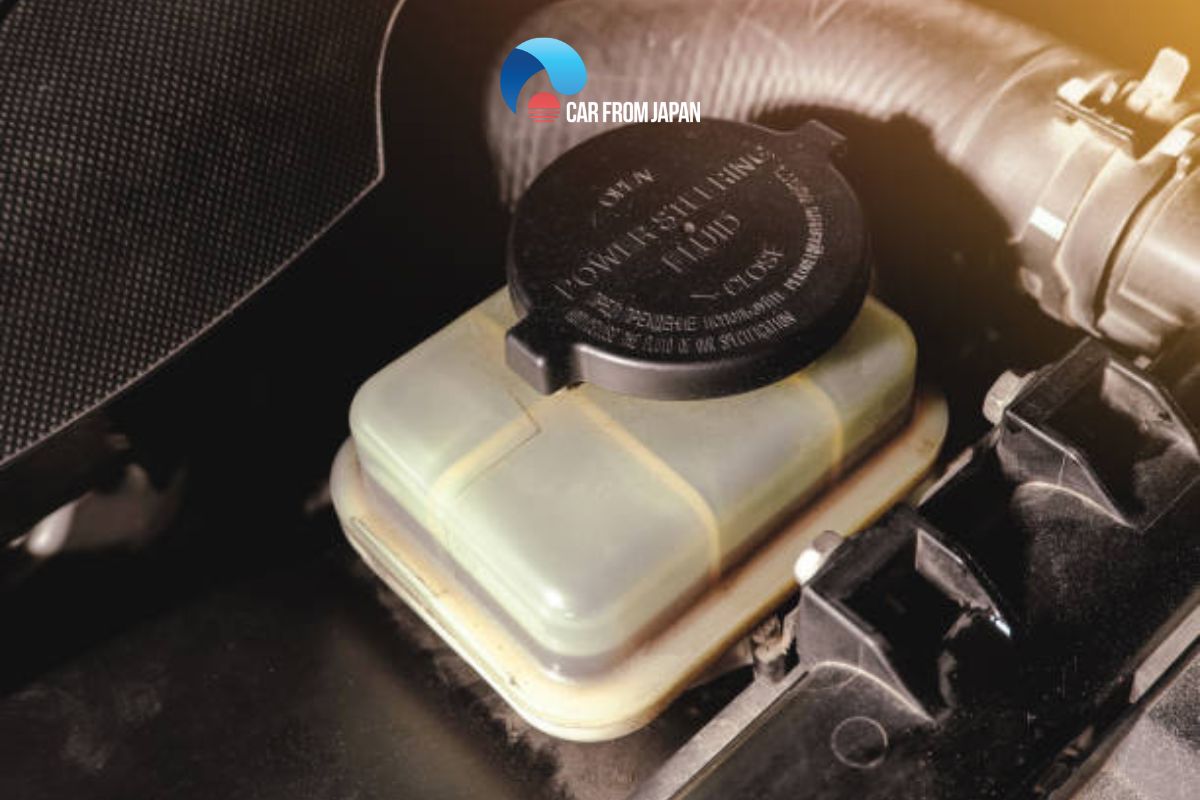
Open the hood and locate the power steering reservoir. Use the dipstick or markings on the reservoir to check fluid level. Check fluid when the engine is cold. Top up with the correct fluid if low.
Identifying And Fixing Fluid Leaks
Look under the car for puddles or wet spots. Inspect hoses and connections for cracks or damage. Replace worn parts to stop leaks. Fixing leaks keeps fluid at the right level and protects the system.
Flushing And Replacing Power Steering Fluid
Old fluid loses effectiveness and can harm the system. Flush the power steering fluid every 30,000 miles or as recommended. Use fresh fluid to maintain smooth steering and prevent pump wear.
Regular Inspection Of Power Steering Pump
Listen for whining noises when turning the wheel. Noises may signal a failing pump or low fluid. Check the pump belt for wear and tightness. Replace worn belts to ensure proper pump function.

Credit: www.youtube.com
Frequently Asked Questions
What Happens When Power Steering Fluid Runs Dry?
The steering wheel becomes very hard to turn. This makes driving unsafe and tiring. The power steering pump can get damaged quickly.
Can I Drive A Car Without Power Steering Fluid?
Driving is possible but very difficult. Steering needs much more effort and control. Long drives may cause pump failure and expensive repairs.
How To Know If Power Steering Fluid Is Low?
You may hear whining noises when turning. Steering may feel stiff or jerky. Check the fluid reservoir to see the fluid level.
What Damage Occurs From Ignoring Low Power Steering Fluid?
The power steering pump can overheat and fail. Steering gear may wear out faster. Repairs will cost much more than fluid replacement.
Conclusion
Driving without power steering fluid causes hard steering and unsafe handling. The steering wheel will feel heavy and difficult to turn. This can lead to accidents or damage to the power steering system. Fixing the fluid level quickly helps avoid costly repairs.
Check the fluid regularly to keep your car safe and smooth to drive. Don’t ignore strange noises or stiffness while steering. Taking care of power steering fluid ensures better control and a safer ride every time.