How Long Can Hazard Lights Stay on before Battery Dies: Essential Facts
Have you ever wondered how long your hazard lights can stay on before your car battery dies? Maybe you’ve been stuck on the roadside, using your hazard lights to stay safe, and worried about whether your battery will last.
Knowing this can save you from unexpected trouble and keep you prepared in emergencies. You’ll discover exactly how long you can leave those flashing lights on without draining your battery, plus tips to avoid getting stranded. Keep reading—you won’t want to be caught off guard next time you need your hazard lights.
Credit: ultrabrightlightz.com
Battery Drain Factors
Battery drain from hazard lights depends on several factors. These factors affect how long the lights can stay on before the battery dies. Understanding these helps you avoid getting stranded with a dead battery.
Battery Capacity
Battery capacity shows how much energy the battery can hold. Larger capacity means longer power supply to the hazard lights. Small batteries drain faster and can die quickly if hazard lights stay on. Battery capacity varies by vehicle type and model.
Vehicle Age And Condition
Older batteries lose their ability to hold charge well. Worn-out batteries drain faster even with low power use. New batteries last longer and support hazard lights for extended time. Battery health depends on use, climate, and maintenance.
Electrical System Load
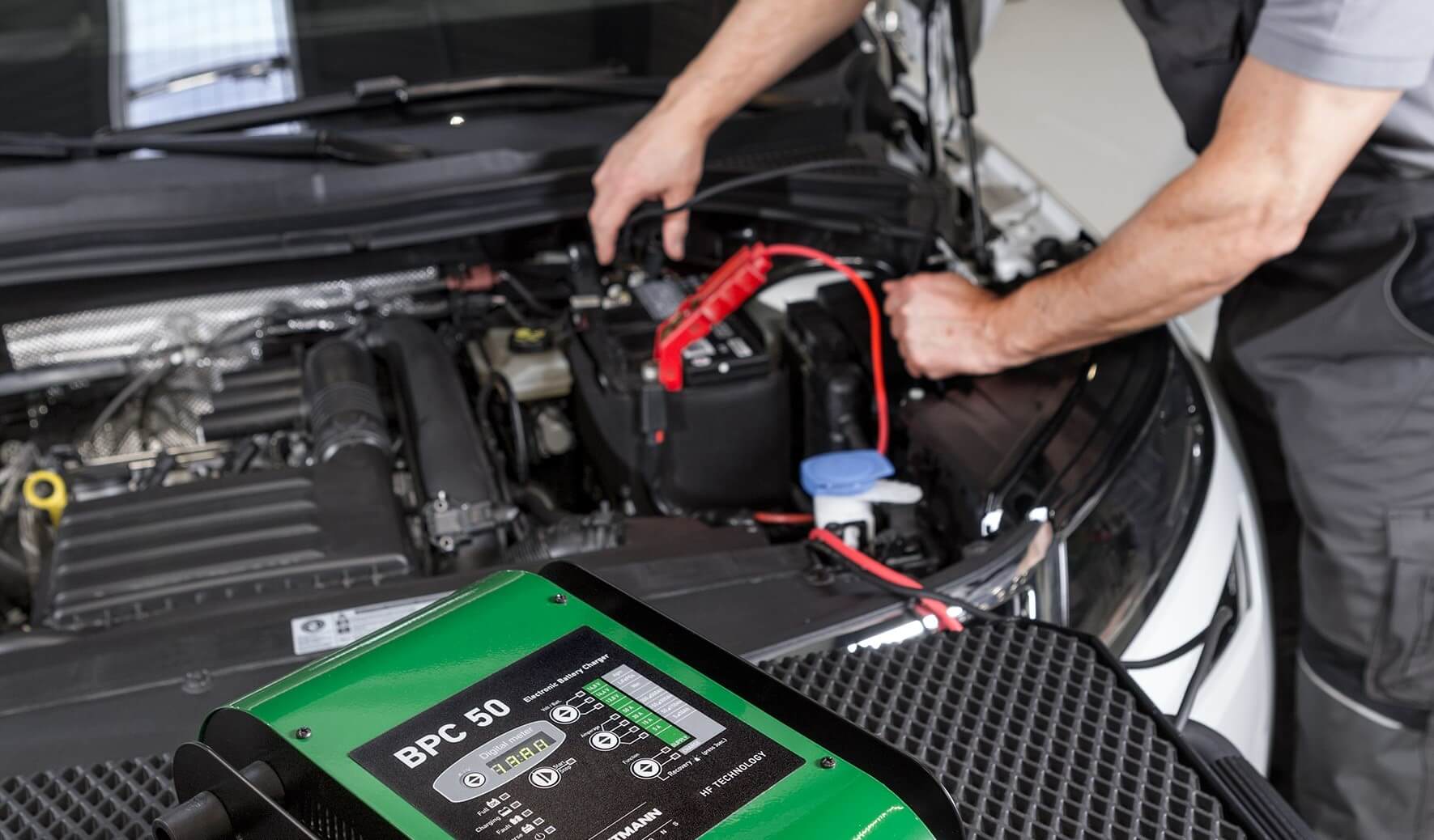
The vehicle’s electrical system draws power from the battery. Running other devices like radio or headlights increases the load. More load means faster battery drain. Hazard lights alone use less power but combined load shortens battery life.
Credit: www.hella-bulbs.com
Hazard Lights Power Usage
Hazard lights use power from your car’s battery. Knowing how much power they use helps understand how long they can stay on. This is important if you need to leave them on for safety during an emergency or breakdown. Power usage depends on the type and number of bulbs in the hazard light system.
Typical Wattage Of Hazard Lights
Most hazard lights use small bulbs that range from 21 to 27 watts each. Cars usually have four bulbs for hazard lights, two on the front and two on the back. Total wattage is around 84 to 108 watts when all hazard lights are on. Newer cars with LED lights use less power, about 5 watts per bulb. This means total power use can be as low as 20 watts in LED systems.
Impact On Battery Life
Car batteries have different sizes, but a typical battery stores about 48 amp-hours. Hazard lights draw about 7 to 9 amps in total for incandescent bulbs. This means a battery could power hazard lights for about 5 to 6 hours if the engine is off. LED hazard lights use less current, so they can last longer, around 15 to 20 hours. Battery health also affects how long hazard lights stay on. A weak or old battery will drain faster. Cold weather can reduce battery life too. Running hazard lights too long without the engine can leave you with a dead battery.
Estimated Run Time
Hazard lights are essential for safety during emergencies or breakdowns. Knowing how long they can run before your car’s battery dies is important. The estimated run time depends on several factors like battery health, vehicle type, and light power consumption. Below are typical scenarios to help understand how long hazard lights can stay on.
Short-term Usage
In short-term use, hazard lights can run for several hours without major issues. Most car batteries support hazard lights for about 3 to 5 hours. This time can vary based on battery age and charge level. Newer batteries last longer, while older ones drain faster. Using hazard lights briefly is safe and unlikely to cause battery problems.
Extended Use Scenarios
Extended use means keeping hazard lights on for many hours or overnight. In these cases, the battery may drain completely within 6 to 12 hours. Older or weak batteries may die even sooner. Running hazard lights for long periods without the engine running puts extra strain on the battery. It is best to avoid using hazard lights for extended times unless necessary.
Preventing Battery Drain
Hazard lights help keep you safe during emergencies. But leaving them on too long can drain your car battery fast. Preventing battery drain means using hazard lights smartly. It also means knowing other ways to stay safe on the road.
Using Hazard Lights Wisely
Turn hazard lights on only when needed. Use them during breakdowns or poor visibility. Avoid leaving them on for hours. Short bursts save battery power. Check your car manual for specific advice. Some vehicles use more power than others. Always switch off hazard lights once safe.
Alternative Safety Measures
Use reflective triangles or flares at night. They alert drivers without draining your battery. Wear bright or reflective clothing if you exit the car. Pull over to a safe spot away from traffic. Call for roadside assistance quickly. These steps keep you safe and save battery life.
Credit: ultrabrightlightz.com
Frequently Asked Questions
How Long Can Hazard Lights Run Without Killing The Battery?
Hazard lights can usually run for about 1 to 3 hours before the battery dies. This time varies by battery health and vehicle type. Older batteries drain faster than newer, well-charged ones.
Does Leaving Hazard Lights On Drain The Car Battery Fast?
Yes, hazard lights use the car battery and can drain it quickly if left on too long. The drain speed depends on the battery’s capacity and age. Short use is generally safe.
Can Hazard Lights Damage The Battery If Left On Overnight?
Leaving hazard lights on overnight can completely drain the battery. This may cause starting problems and reduce battery life. It’s best to avoid leaving them on for long periods.
How To Check If Hazard Lights Are Draining Your Car Battery?
Watch for dimming lights or slow engine start after using hazard lights. A battery test at an auto shop can confirm drainage issues. Regular battery checks help avoid surprises.
Conclusion
Hazard lights can drain your car battery if left on too long. Most batteries last about 1 to 4 hours with hazard lights on. This time varies by battery health and car model. Always turn off hazard lights when no longer needed.
This helps avoid unexpected battery problems. Keep an eye on your battery to stay safe on the road. Simple habits can prevent getting stuck with a dead battery. Stay aware and use hazard lights wisely.