What Happens If You Use Regular Gas Instead of Premium: Shocking Effects
Have you ever wondered what really happens if you use regular gas instead of premium in your car? Maybe you’re trying to save a few dollars or just don’t know if it makes a difference.
The truth is, using the wrong fuel can impact your car’s performance, fuel efficiency, and even its engine health over time. You’ll discover the key facts about regular versus premium gas, how your car reacts to each, and what you should know before making a choice at the pump.
Keep reading to protect your engine and get the most out of every gallon.
Credit: www.youtube.com
Differences Between Regular And Premium Gasoline
Regular and premium gasoline differ in several key ways. These differences affect engine performance and fuel efficiency. Understanding these factors helps you choose the right fuel for your vehicle. This section breaks down the main distinctions between the two types of gasoline.
Octane Ratings Explained
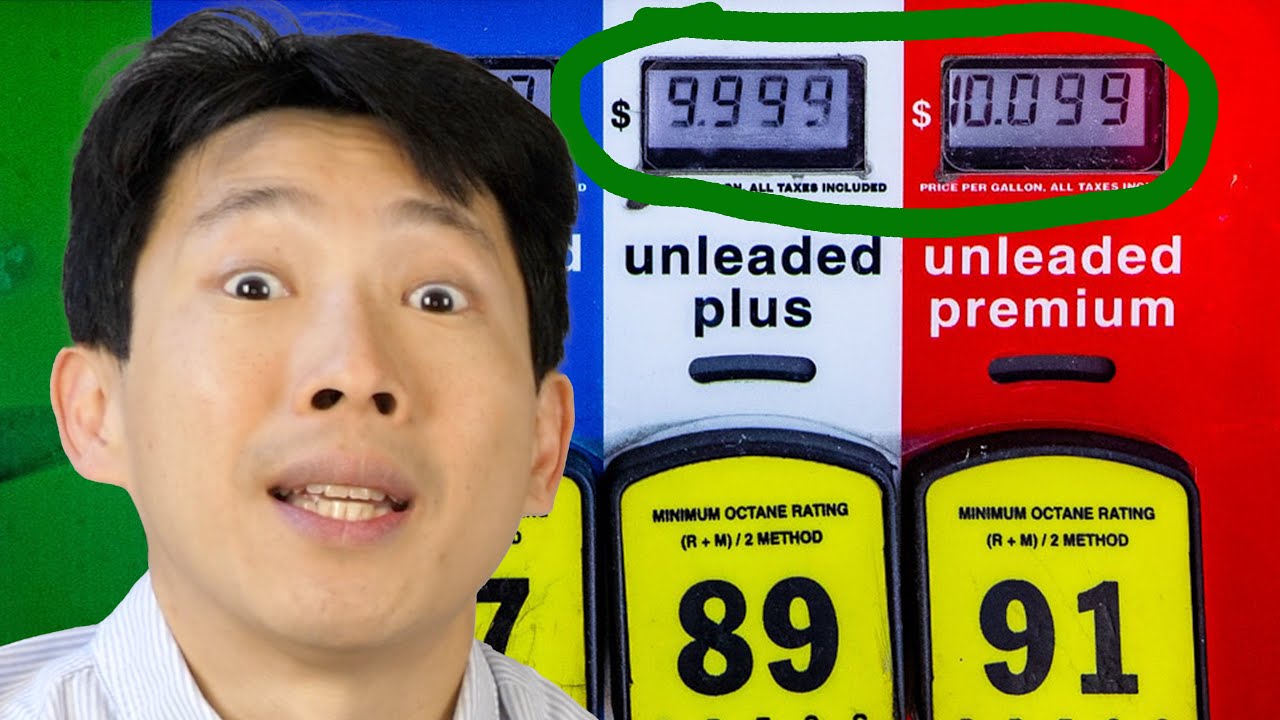
Octane rating measures a fuel’s ability to resist knocking. Knocking happens when fuel burns unevenly in the engine. Premium gas has a higher octane rating, usually 91 or more. Regular gas typically has an octane rating around 87. Engines with high compression need higher octane to avoid knocking. Using low-octane fuel in such engines can cause damage over time.
Additives And Fuel Quality
Premium gasoline often contains more additives than regular gas. These additives help clean engine parts and reduce deposits. They also improve fuel stability and performance. Regular gas has fewer additives but still meets basic quality standards. The additives in premium fuel can help maintain engine health in some cars.
Engine Requirements For Different Fuels
Some engines require premium fuel to run properly. These engines are designed for higher compression and performance. Using regular gas in these engines may lower power and efficiency. Most cars with standard engines run fine on regular gasoline. Always check your owner’s manual for the recommended fuel type. Using the right fuel ensures your engine runs smoothly and lasts longer.

Credit: www.reddit.com
Short-term Effects On Your Vehicle
Using regular gas instead of premium can affect your vehicle right away. The short-term effects vary based on your car’s engine and design. Some cars need premium gas to run smoothly. Others can handle regular gas but may show some changes.
These changes usually appear during the first few drives after switching fuel types. Noticeable signs include how your car runs, sounds, and uses fuel. Understanding these effects helps you decide what fuel to use next time.
Performance Changes
Your car might feel less powerful with regular gas. The engine can struggle to reach full speed. Acceleration may slow down, especially on hills or during quick starts. This happens because regular gas has a lower octane rating than premium. The lower rating can reduce engine efficiency in some cars.
Engine Knocking And Noise
Engine knocking is a common issue when using regular gas in premium-required cars. It sounds like a knocking or pinging noise from the engine. This noise means the fuel is not burning evenly. The knocking can hurt engine parts if it lasts long. The problem usually stops after switching back to premium gas.
Fuel Efficiency Impact
Using regular gas can lower your car’s fuel efficiency. Your engine may burn more fuel to maintain the same power. This means more trips to the gas station and higher fuel costs. The difference in mileage might not be large but it adds up over time.
Long-term Consequences Of Using Regular Gas
Using regular gas instead of premium can affect your car over time. The effects might not show up right away. But long-term use can cause problems. These problems can cost you more money and time.
Engine Damage Risks
Premium gas has a higher octane rating. It prevents knocking and pinging in engines. Using regular gas in an engine made for premium can cause knocking. This knocks can damage engine parts. Over time, this damage lowers engine performance.
Increased Maintenance Costs
Engine damage from regular gas can lead to costly repairs. You might need to replace spark plugs more often. Fuel injectors and valves can get dirty or worn out. This means more visits to the mechanic. Maintenance costs can add up fast.
Warranty And Manufacturer Recommendations
Car makers design engines for specific fuel types. Using regular gas against recommendations can void warranties. Without warranty coverage, repair costs come out of your pocket. Following fuel advice helps protect your car and wallet.

Credit: www.reddit.com
When Using Regular Gas Might Be Acceptable
Using regular gas instead of premium is not always a bad choice. There are certain cases where regular gas works well without hurting your car. Understanding these situations can save you money and avoid engine problems.
Knowing when regular gas is okay helps you make smarter decisions. It protects your engine and keeps your car running smoothly. Let’s explore when using regular fuel might be acceptable.
Vehicles Compatible With Regular Fuel
Many cars are built to run on regular gas. These vehicles have engines designed for lower octane fuel. Check your owner’s manual for the right fuel type. Using premium in these cars does not improve performance. Regular gas meets the engine’s needs perfectly.
Emergency Situations
Running out of fuel far from a gas station is stressful. In emergencies, using regular gas can keep you moving. It may prevent your car from stalling. Avoid delaying until you find the exact fuel type. Regular gas can be a safe temporary option in such cases.
Cost Vs. Benefits Analysis
Premium gas often costs more than regular fuel. Think about whether the extra cost gives benefits. Some cars do not gain better mileage or power with premium. Spending more on premium might not save money in the long run. Compare what your car needs to what you pay for fuel.
Frequently Asked Questions
What Happens If You Use Regular Gas In A Premium Engine?
Using regular gas in a premium engine can cause knocking or pinging sounds. It may reduce engine performance and fuel efficiency slightly. Over time, it might lead to engine damage.
Can Using Regular Gas Harm My Car’s Engine?
Regular gas can harm engines designed for premium fuel by causing poor combustion. This may lead to increased wear and tear or costly repairs. It is best to follow the manufacturer’s fuel recommendation.
Does Regular Gas Affect Fuel Efficiency In Premium Cars?
Regular gas usually lowers fuel efficiency in cars needing premium fuel. The engine may not run as smoothly or powerfully. This results in using more gas to drive the same distance.
Is It Safe To Switch From Premium To Regular Gas?
Switching from premium to regular gas occasionally is usually safe but not ideal. Frequent use of lower octane can cause engine knocking or damage. Always check your car’s manual for fuel guidelines.
Conclusion
Using regular gas instead of premium can affect your car’s engine over time. Some cars run fine on regular fuel, but others may lose power or efficiency. It can cause knocking or reduce engine life in certain vehicles. Always check your owner’s manual to see what fuel grade your car needs.
Choosing the right gas keeps your car running smoothly and saves money on repairs. Simple choices like fuel type matter for your car’s health and your budget. Think about what your car needs before you fill up.