Do You Need to Change Rotors When Changing Brake Pads? Expert Tips
When it’s time to replace your brake pads, you might wonder if you also need to change your rotors. This question is more important than you think.
Your brakes are one of the most critical parts of your car, and making the right choice can save you money and keep you safe. You’ll discover exactly when rotor replacement is necessary and when it’s okay to keep the old ones.
By the end, you’ll feel confident about making the best decision for your vehicle and your budget. Keep reading to learn what every driver should know about brake pads and rotors.
Credit: www.calibeys.com
Signs You Need New Rotors
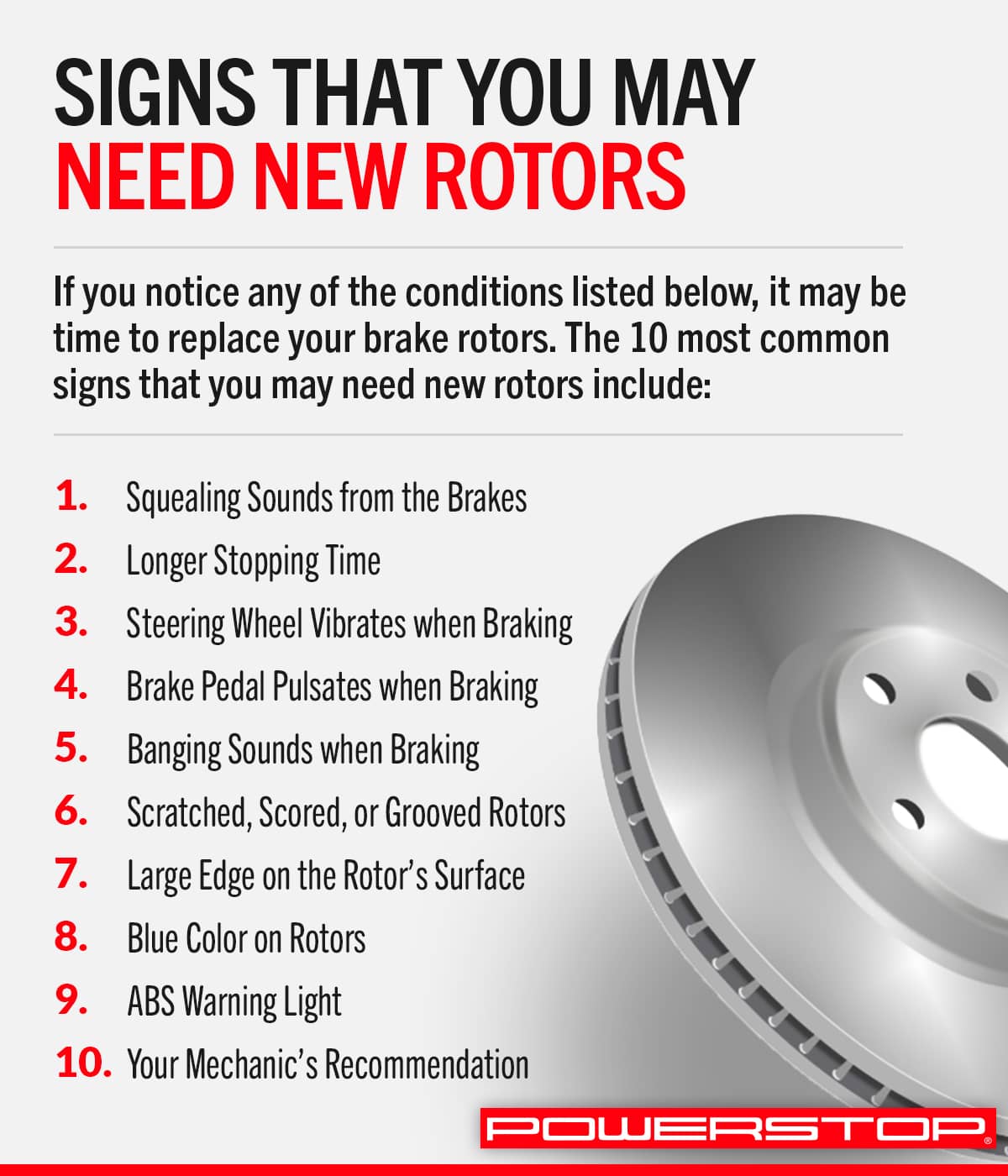
Rotors play a crucial role in your vehicle’s braking system. They work with brake pads to stop your car safely. Over time, rotors wear out or get damaged. Knowing the signs of worn rotors helps keep your brakes reliable and safe. Here are key signs that show you need new rotors.
Visible Rotor Damage
Look closely at the rotors through your wheels. Deep grooves or scoring on the rotor surface mean damage. Rust or corrosion can also weaken rotors. Cracks or broken edges are serious signs. Such visible damage means the rotors should be replaced.
Vibrations And Noise
Feel shaking or vibrations in the brake pedal or steering wheel when braking. This usually points to warped rotors. Warped rotors cause uneven contact with brake pads. Listen for squealing, grinding, or scraping noises. These sounds often come from damaged rotors.
Brake Performance Issues
Notice longer stopping distances or a soft brake pedal. These problems can come from rotor wear. Brake fade during use also indicates rotor trouble. Pulsing or grabbing brakes show the rotor surface is uneven. Poor brake performance means it’s time to check your rotors.

Credit: www.youtube.com
When Rotors Can Be Resurfaced
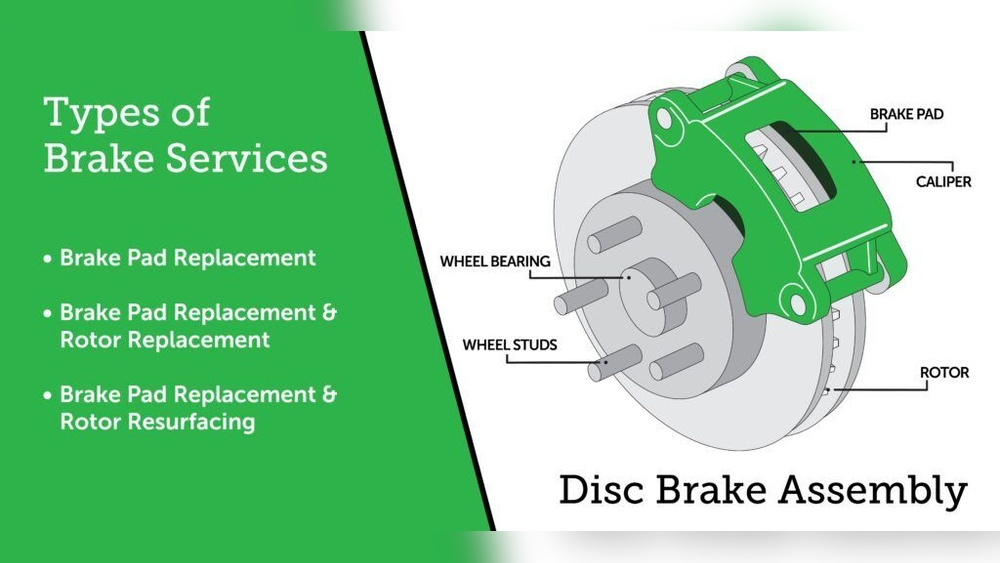
Rotors do not always need replacement when changing brake pads. Sometimes, they can be resurfaced to extend their life. Resurfacing means removing a thin layer of the rotor’s surface to make it smooth again. This process helps fix minor issues and saves money. Knowing when rotors can be resurfaced is important for safe braking and good performance.
Not all rotors are good candidates for resurfacing. The rotor’s condition and thickness play a big role. Let’s explore the key factors that decide if resurfacing is possible and safe.
Rotor Thickness Limits
Every rotor has a minimum thickness limit set by the manufacturer. This limit ensures the rotor is strong enough to handle heat and pressure. If the rotor is thinner than this limit, resurfacing is not safe.
Resurfacing removes some material, so the rotor must be thick enough before the process. Mechanics measure rotor thickness with a special tool called a micrometer. If the rotor is close to or below the limit, replacement is the only option.
Types Of Rotor Damage Suitable For Resurfacing
Rotors with minor surface damage can often be resurfaced. Light scoring, small grooves, and uneven surfaces are fixable. Resurfacing smooths these imperfections, improving brake pad contact and stopping power.
Rotors with cracks, deep grooves, or warping should not be resurfaced. These problems affect safety and cannot be fixed by removing surface material. In such cases, replacing the rotor is necessary to avoid brake failure.
Benefits Of Changing Rotors With Brake Pads
Changing rotors along with brake pads offers many benefits. It helps keep your braking system working well. Both parts wear out over time and affect each other’s performance. Replacing them together can save money and improve safety.
Improved Brake Performance
New rotors provide a smooth surface for the brake pads. This leads to better grip and shorter stopping distances. Old rotors may cause vibrations or noise during braking. Fresh rotors help the brakes work quietly and smoothly.
Enhanced Safety
Worn rotors reduce your vehicle’s ability to stop quickly. Changing rotors and pads at the same time keeps brakes reliable. Reliable brakes help prevent accidents and protect everyone on the road. Proper braking gives you more control in emergencies.
Longer Brake Component Lifespan
New rotors reduce uneven wear on brake pads. This means pads last longer before needing replacement. Old, damaged rotors can wear down new pads faster. Changing both parts together saves time and money over time.
Credit: www.powerstop.com
Cost Considerations And Expert Advice
Changing brake pads often raises questions about the cost of also changing rotors. This section covers important cost factors and expert advice. It helps you decide the best option for your budget and safety.
Understanding the cost differences between resurfacing and replacing rotors is key. Experts share their views on what works best. You will also learn the pros and cons of doing the job yourself or hiring a professional.
Comparing Resurfacing Vs Replacement Costs
Resurfacing rotors usually costs less than full replacement. It involves shaving the rotor surface to remove grooves and damage. This can save money if rotors are still thick enough. Replacement means buying new rotors, which costs more upfront. New rotors last longer and improve braking performance. Resurfacing is good for minor wear but not deep damage or thin rotors. Cost varies by vehicle and location but expect replacement to be two to three times pricier than resurfacing.
Professional Recommendations
Mechanics often suggest replacing rotors with brake pads. New pads on worn rotors reduce brake efficiency. Worn rotors can cause vibrations and noise. Experts check rotor thickness and surface condition before deciding. They recommend resurfacing only if rotors meet safety standards. For safety and performance, many professionals favor replacement over resurfacing. Following expert advice can prevent costly repairs later.
Diy Vs Professional Installation
Changing brake pads and rotors yourself saves labor costs. Basic tools and knowledge are needed for safe installation. Mistakes can cause brake failure and costly damage. Professionals have experience and proper equipment for quality work. They can spot hidden issues during the job. Hiring a mechanic adds to cost but ensures safety and peace of mind. DIY may suit those with skills, but professional help is best for most drivers.
Frequently Asked Questions
Do Brake Rotors Always Need Replacement With New Pads?
Brake rotors do not always need replacement when changing pads. Check for deep grooves, warping, or thickness below the limit. If rotors look good and meet specs, you can reuse them.
How Can Worn Rotors Affect New Brake Pads?
Worn rotors can cause uneven brake pad wear and reduce braking power. They may also cause vibrations or noise during braking. Replacing or resurfacing rotors helps new pads work better and last longer.
Can I Just Resurface Rotors Instead Of Replacing Them?
Yes, rotors can be resurfaced if they are not too thin or damaged. Resurfacing smooths the surface for better pad contact. It is cheaper than replacement but not always possible for very worn rotors.
What Happens If I Don’t Change Rotors With New Brake Pads?
Not changing worn rotors can lead to poor braking and faster pad wear. It might cause noise, vibration, or safety risks. Good rotors ensure the best performance and longer brake system life.
Conclusion
Changing brake pads usually means checking the rotors too. Rotors wear down over time and affect braking safety. If rotors look thin or damaged, replace them with pads. Smooth rotors help new pads work better and last longer. Skipping rotor checks can cause noise or poor braking.
Always inspect rotors before installing new pads. This small step keeps your brakes safe and reliable. Remember, good brakes protect you on every drive.