How Much Should It Cost to Replace Shocks And Struts: Ultimate Guide
If your car feels bouncier than usual or you notice a rougher ride over bumps, it might be time to replace your shocks and struts. But how much should you expect to pay for this important repair?
Knowing the right price can save you from overpaying and help you make smarter decisions for your vehicle. You’ll discover what influences the cost, typical price ranges, and tips to get the best value without sacrificing quality. Keep reading to protect your ride and your wallet.

Credit: www.jdpower.com
Typical Replacement Costs
Replacing shocks and struts usually costs between $300 and $700 per axle. Prices vary based on vehicle type and repair shop rates. Parts and labor together determine the final price.
Replacing shocks and struts is a necessary repair to maintain vehicle safety and comfort. Costs vary depending on several factors, such as vehicle type and parts used. Understanding typical costs helps you plan your budget effectively.
On average, replacing all four shocks and struts ranges from $400 to $1,200. This price includes parts and labor. The cost for just two shocks or struts usually falls between $200 and $600.
Labor fees depend on the mechanic’s hourly rate and the time needed. Most shops charge between $100 and $200 per hour. Replacing shocks or struts typically takes 1 to 2 hours per axle.
Cost Breakdown
- Parts: Shocks and struts cost $50 to $300 each.
- Labor: Expect $100 to $400 for installation.
- Additional fees: Wheel alignment is often required after replacement, costing $75 to $150.
What Influences Your Quote?
- Make and Model: Luxury or performance cars need pricier parts.
- Type of Parts: OEM parts cost more than aftermarket alternatives.
- Repair Shop: Dealerships charge more than local mechanics.
- Location: Labor costs vary between cities and states.

Credit: www.youtube.com
Factors Affecting Prices
Several factors influence the cost of replacing shocks and struts. These parts vary in price depending on the vehicle and the quality needed. Labor charges also affect the final bill.
Knowing these factors helps estimate the total expense more accurately. It also assists in choosing between different service providers and parts.
Type Of Vehicle
Luxury and sports cars usually have more expensive shocks and struts. Standard vehicles tend to have cheaper replacement parts. Larger trucks and SUVs may require heavy-duty parts that cost more.
Quality Of Parts
Original Equipment Manufacturer (OEM) parts cost more but fit perfectly. Aftermarket parts are less expensive but vary in quality. High-performance or off-road shocks raise the price further.
Labor Costs
Dealerships charge higher labor rates than local mechanics. Labor time depends on the vehicle’s make and model. Some cars need more work, increasing the labor cost.
Number Of Parts Replaced
Replacing all four shocks or struts is more costly than just two. Many mechanics recommend replacing pairs to keep balance and safety. Partial replacements can reduce the upfront cost but might cause uneven wear later.
Location
Prices vary by region due to cost of living and demand. Urban areas often have higher labor and parts prices. Rural locations may offer cheaper rates but fewer service options.
Diy Vs Professional Service
Replacing shocks and struts improves your vehicle’s safety and comfort. Deciding between doing it yourself or hiring a professional matters. Each option has clear benefits and challenges. Understand these to make the best choice for your budget and skills.
Diy Shock And Strut Replacement Costs
Doing the job yourself saves money on labor fees. Parts usually cost between $50 and $200 per shock or strut. Tools like jacks and spring compressors may be necessary. If you already own tools, costs stay low. Mistakes can cause damage or injury, so be careful. Time spent can be several hours, especially for beginners.
Professional Service Costs
Mechanics charge for parts plus labor. Labor fees range from $100 to $300 per axle. Total cost may reach $400 to $800 for all shocks and struts. Professionals have the right tools and expertise. Work is faster and usually comes with a warranty. This option reduces risk and ensures proper installation.
Factors To Consider When Choosing
Comfort with car repairs is key. Safety risks increase without experience. Time availability matters; professionals work faster. Consider vehicle type; some cars need special tools. Budget limits may push toward DIY. Long-term value favors professional service for most drivers.
Signs You Need Replacement
Shocks and struts keep your vehicle steady and safe. Over time, they wear out and need replacing. Recognizing the signs helps avoid costly damage and unsafe driving.
Noticing these signs early can save money and keep your ride smooth. Watch for changes in how your car handles and feels.
Excessive Bouncing After Hitting Bumps
Your car should not bounce much after going over a bump. If it continues to bounce, shocks or struts may be worn out. This affects control and comfort.
Longer Stopping Distance
Bad shocks or struts increase your car’s stopping distance. The vehicle may nose dive or sway during braking. This is a clear safety risk.
Uneven Tire Wear
Worn shocks cause tires to wear unevenly. Check your tires for bald spots or unusual patterns. Uneven wear means your suspension is not absorbing impacts properly.
Leaking Fluid
Look for oil or fluid leaking from the shocks or struts. Leaks mean the parts are damaged and losing their ability to dampen movement.
Steering Problems
Your steering may feel loose or shaky with bad shocks or struts. The car might wander or feel unstable on the road.
Visible Damage Or Rust
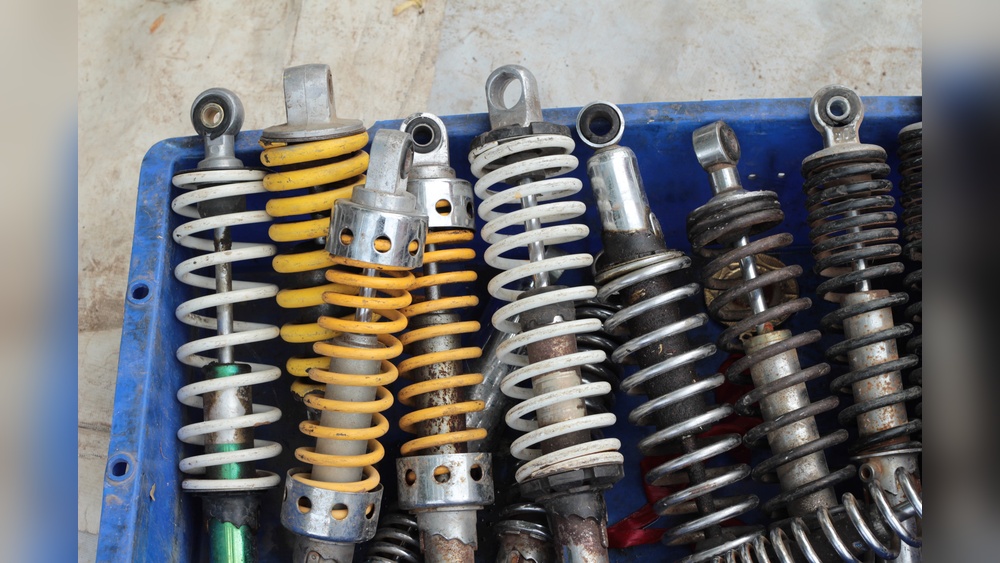
Inspect shocks and struts for dents, cracks, or rust. Physical damage weakens them and reduces performance.
Choosing Quality Parts
Choosing quality parts for replacing shocks and struts affects your vehicle’s performance and safety. Good parts last longer and provide better ride comfort. Cheap or low-quality parts may wear out fast and cause more damage.
Investing in quality components can save money over time. They reduce the chance of frequent repairs and improve driving stability. It is important to know what to look for when selecting shocks and struts.
Understanding Oem Vs Aftermarket Parts
OEM parts come from the vehicle’s manufacturer. They fit perfectly and meet original standards. Aftermarket parts are made by other companies and vary in quality. Some aftermarket parts offer good value, while others may not last as long.
OEM parts often cost more but provide reliable performance. Aftermarket options can be less expensive but require careful choice to avoid poor quality.
Material And Build Quality
Look for shocks and struts made from durable materials. Steel bodies and high-quality seals prevent leaks and corrosion. Good build quality ensures better shock absorption and smoother driving.
Check for parts with warranties. A longer warranty indicates the manufacturer’s confidence in their product.
Matching Parts To Driving Needs
Choose parts that fit your driving style and conditions. Standard shocks work well for daily commuting. Heavy-duty or performance shocks suit rough roads or sporty driving.
Selecting the right type helps maintain vehicle control and ride comfort, reducing wear on other suspension parts.

Credit: www.reddit.com
Frequently Asked Questions
How Much Does It Cost To Replace All Four Shocks And Struts?
Replacing all four shocks and struts typically costs between $600 and $1,200. Prices vary by vehicle type, parts quality, and labor rates.
How Much Are Struts For A Honda Accord?
Struts for a Honda Accord typically cost between $150 and $300 each. Labor fees range from $150 to $250. Total replacement costs vary by location and parts quality.
Are Shocks And Struts Really Worth Replacing?
Replacing shocks and struts improves ride comfort, handling, and safety. Worn parts cause poor control and uneven tire wear.
How Long Does It Take A Mechanic To Replace Shocks And Struts?
A mechanic typically takes 1 to 2 hours to replace shocks and struts on a standard vehicle. Time varies by model and condition.
How Much Does It Cost To Replace All Four Shocks And Struts?
Replacing all four shocks and struts typically costs between $600 and $1,200. Prices vary based on vehicle type and parts quality. Labor charges also affect the total cost.
Conclusion
Replacing shocks and struts varies in cost depending on several factors. Parts quality, vehicle type, and labor rates all affect the final price. Choosing between OEM and aftermarket parts impacts expenses too. Regular checks can prevent costly repairs later on.
Good shocks and struts improve safety and ride comfort. Don’t delay replacement if you notice poor handling or unusual noises. Staying informed helps you budget better for this important maintenance.