How to Test Camshaft Position Sensor With Multimeter: Easy Steps
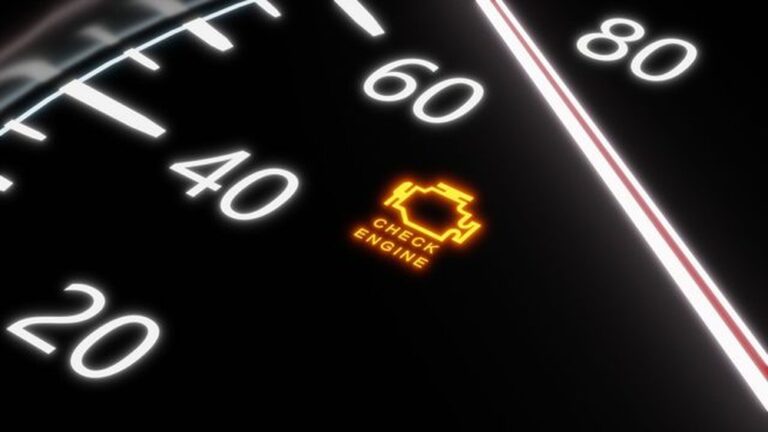
If your engine is acting up or your check engine light is on, the camshaft position sensor might be the culprit. But how do you know for sure?
Testing this sensor with a multimeter is easier than you think—and it could save you time and money on repairs. You’ll learn step-by-step how to check your camshaft position sensor quickly and accurately. By the end, you’ll feel confident diagnosing this common issue yourself.
Keep reading to find out how to take control of your car’s performance today.
Credit: www.nevsemi.com
Tools Needed For Testing
Testing a camshaft position sensor needs specific tools. Having the right tools makes the process easier and more accurate.
Below are the basic tools needed to test the sensor safely and correctly.
Choosing The Right Multimeter
Select a multimeter with a digital display for clear readings. It should measure voltage, resistance, and continuity. Choose one with a range suitable for low voltage testing. A multimeter with auto-ranging simplifies the process. Make sure the probes are in good condition for accurate contact. A compact, handheld model works well for engine bay use.
Additional Equipment Required
Besides the multimeter, you need basic hand tools to access the sensor. A wrench or socket set helps remove sensor bolts. Use insulated gloves to protect your hands. A wiring diagram or service manual for your vehicle is helpful. It shows the sensor’s wire colors and pin layout. Also, a flashlight can improve visibility in tight spaces.
Locating The Camshaft Position Sensor
Finding the camshaft position sensor is the first step to testing it. This sensor plays a key role in engine timing. Knowing its location helps you check it quickly and safely.
Every car model has a different spot for this sensor. Sometimes it’s easy to reach, other times it hides behind parts. Understanding where to look saves time and effort.
Common Sensor Locations
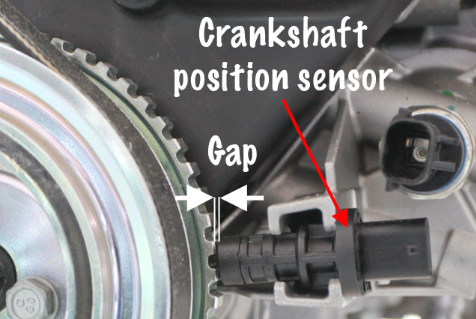
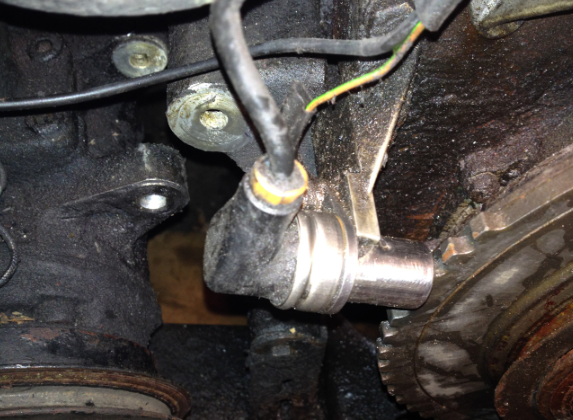
The camshaft position sensor often sits near the engine’s top. It may attach to the cylinder head or engine block. Look around the camshaft area or near the timing cover. Some vehicles place it behind the intake manifold or near the valve cover. Checking the car’s manual can give exact details.
Preparing The Vehicle For Testing
Start by parking the car on a flat surface. Turn off the engine and remove the key. Allow the engine to cool to avoid burns. Disconnect the battery to prevent electrical shocks. Clean the area around the sensor to stop dirt from entering. Have your multimeter and tools ready before you begin.
Performing The Multimeter Test
Performing the multimeter test on a camshaft position sensor helps find faults fast. This test checks if the sensor works properly by measuring its electrical signals. Use a multimeter to check resistance and voltage. These readings tell if the sensor needs replacing or if it is still good.
Setting Up The Multimeter
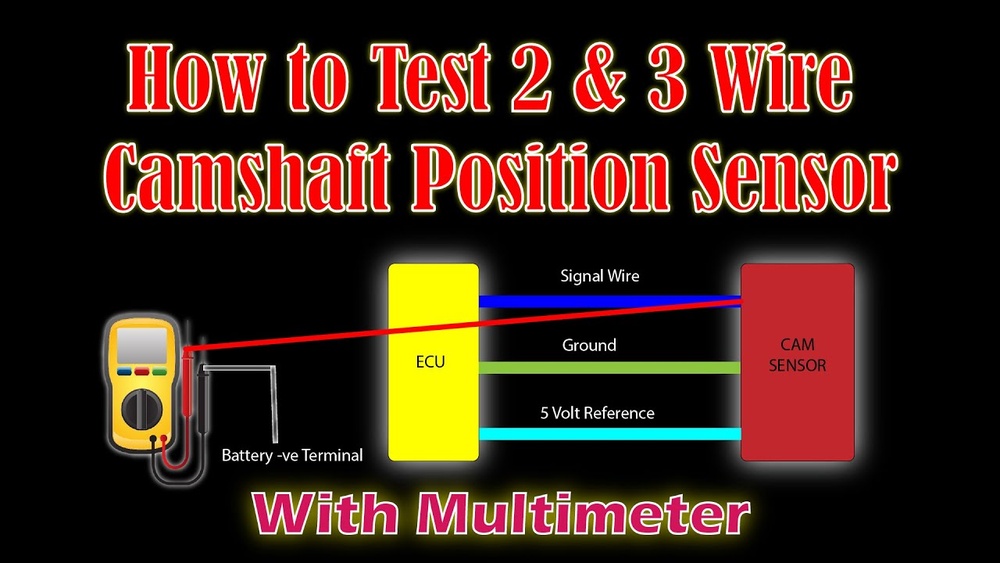
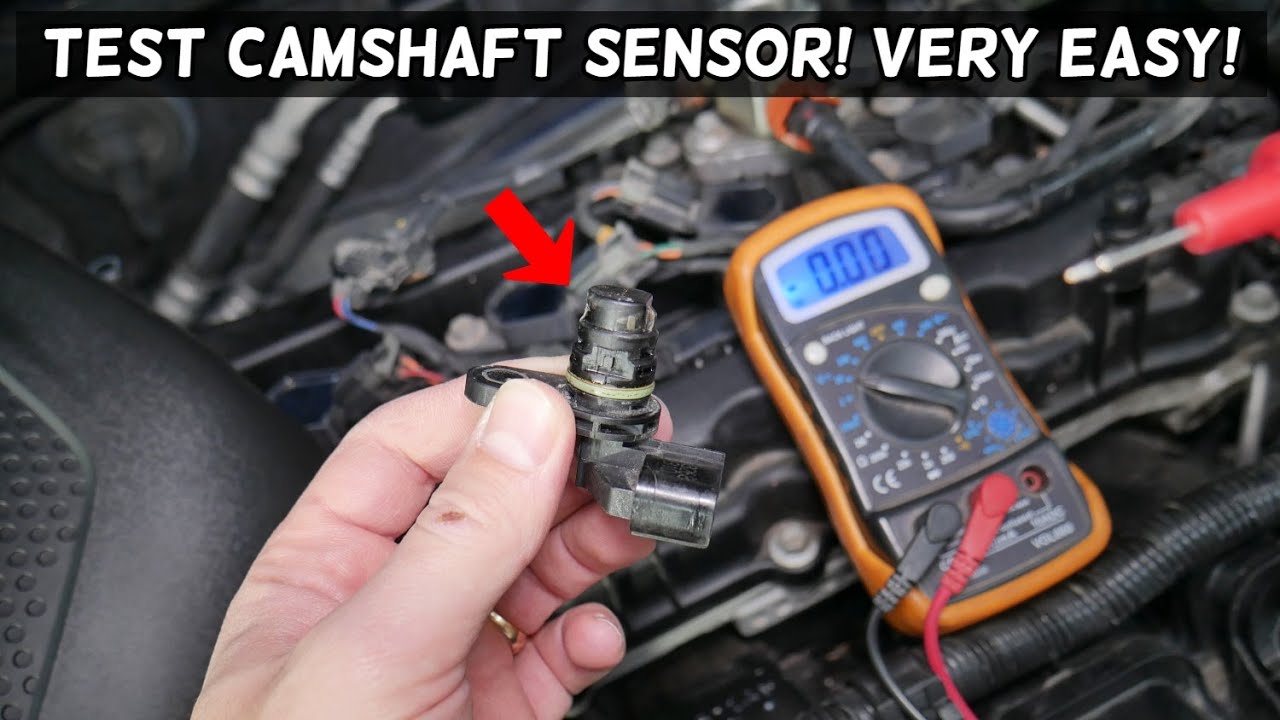
First, turn off the vehicle and open the hood. Find the camshaft position sensor and unplug its connector. Set your multimeter to the ohms (Ω) setting to measure resistance. Make sure the multimeter’s probes are clean and in good condition. Connect the black probe to the multimeter’s COM port and the red probe to the VΩ port. This setup ensures accurate readings.
Measuring Resistance And Voltage
Touch the probes to the sensor terminals to check resistance. Write down the reading shown on the multimeter display. Compare this with the sensor’s specified resistance range. Next, switch the multimeter to the voltage setting (DC volts). Reconnect the sensor and turn the ignition key to ON, but do not start the engine. Measure the voltage signal from the sensor by placing the probes on the connector pins. The voltage should change smoothly as the camshaft rotates. Sudden drops or no change indicate a faulty sensor.
Credit: www.youtube.com
Interpreting Test Results
Understanding the test results of a camshaft position sensor is key to diagnosing engine issues. Your multimeter readings tell a story. They help confirm if the sensor works well or needs replacement.
Interpreting these results can seem tricky. But knowing what the numbers mean makes the process clear. It saves time and avoids unnecessary repairs.
Normal Readings Explained
A healthy camshaft position sensor shows steady resistance values. Usually, resistance falls within the range specified by the vehicle’s manual. A common range is between 200 and 1,500 ohms.
Voltage output should also be consistent. When the engine turns, the sensor voltage will fluctuate smoothly. This change indicates the sensor detects camshaft position correctly.
Check for no sudden drops or spikes in voltage. Steady readings mean the sensor is sending accurate signals to the engine control unit.
Identifying Faulty Sensor Signs
Abnormal resistance values often point to a bad sensor. Resistance too high or too low means the sensor coil or wiring may be damaged.
Voltage readings with erratic spikes or no changes are warning signs. They suggest the sensor fails to detect the camshaft’s position properly.
Other signs include open circuits or infinite resistance on the multimeter. These indicate broken wires or a completely failed sensor.
Recognizing these patterns helps you decide if the sensor needs repair or replacement. It prevents engine misfires and poor performance.
Credit: www.nevsemi.com
Frequently Asked Questions
What Is A Camshaft Position Sensor?
A camshaft position sensor tracks the camshaft’s position and speed. It helps the engine control unit manage fuel injection and timing. This sensor is key for engine performance.
How Do I Use A Multimeter To Test The Sensor?
Set the multimeter to measure resistance or voltage. Connect the probes to the sensor’s terminals carefully. Check the readings against the sensor’s specifications.
What Are Signs Of A Bad Camshaft Position Sensor?
Symptoms include engine misfires, poor acceleration, and stalling. The check engine light may also turn on. These signs suggest sensor issues.
Can A Faulty Sensor Cause Engine Starting Problems?
Yes, a bad camshaft sensor can prevent the engine from starting. It stops the engine control unit from timing the spark correctly. Testing the sensor helps find this issue.
How Often Should I Test The Camshaft Position Sensor?
Test the sensor if you notice engine problems or during regular maintenance. It’s good to check every 30,000 miles or as recommended. Early testing can prevent bigger issues.
Conclusion
Testing a camshaft position sensor with a multimeter is simple. Follow the steps carefully for accurate results. A working sensor helps your engine run smoothly. Faulty sensors can cause engine problems and poor performance. Regular checks save you time and money on repairs.
Keep your multimeter ready for quick testing. Trust your hands and tools to keep your car healthy. Now, you can diagnose the sensor with confidence.