Should Car Be Running When Adding Transmission Fluid? Expert Tips
Are you wondering whether your car’s engine should be running when you add transmission fluid? It’s a common question that many car owners face, and getting it wrong could lead to costly damage or poor performance.
You want to keep your vehicle in top shape, but the process can seem confusing. You’ll discover the simple truth behind adding transmission fluid safely and effectively. Keep reading to avoid mistakes that could harm your car and learn exactly what you need to do to protect your investment.
When To Add Transmission Fluid
Knowing the right time to add transmission fluid is key to keeping your car running smoothly. Adding fluid at the wrong time can cause inaccurate readings or damage. This section explains when to check and add transmission fluid safely and effectively.
Cold Vs Warm Transmission
Transmission fluid level changes with temperature. Cold fluid is thicker and sits lower in the system. Warm fluid expands and fills more space. Most cars require checking fluid when warm for an accurate level. Check your owner’s manual for the correct temperature guidelines.
Adding fluid to a cold transmission may cause overfilling. Overfill can lead to leaks or poor shifting. Warm fluid gives a better idea of true fluid level. Wait for the engine to reach normal operating temperature before checking.
Checking Fluid Levels Safely
Park your car on a level surface to get an even reading. Keep the engine running if your car’s manual says so. Use the dipstick to check fluid level carefully. Wipe it clean, reinsert, and pull out to see the level.
Only add fluid if the level is below the recommended mark. Use the correct type of transmission fluid specified for your vehicle. Pour slowly to avoid overfilling. Replace the dipstick tightly after checking to prevent contamination.

Credit: www.wikihow.com
Running Engine Vs Engine Off
Adding transmission fluid requires care. One key question is whether the engine should be running or off. Both methods have their points. Understanding these helps you add fluid safely and correctly.
Pros Of Adding Fluid With Engine Running
When the engine runs, the transmission warms up. Warm transmission fluid flows better. This helps the fluid reach all parts inside the transmission.
Checking fluid level with the engine on gives a more accurate reading. The fluid moves through the system, showing the true level. It prevents overfilling or underfilling.
Some cars need the engine running for the fluid to circulate. This keeps the transmission working smoothly during the refill.
Risks Of Adding Fluid With Engine Off
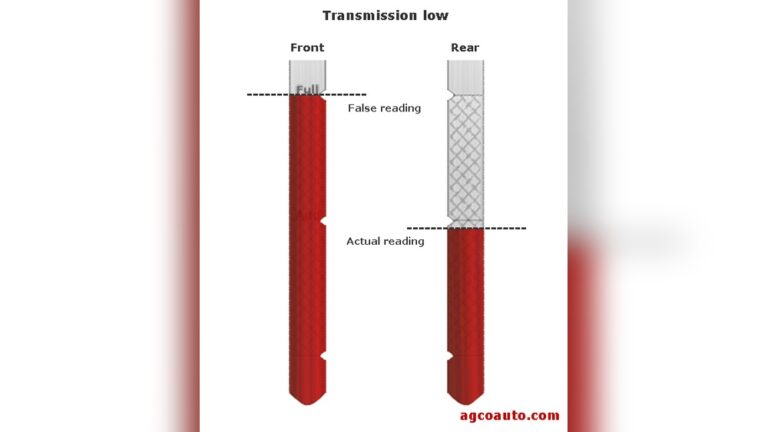
Adding fluid when the engine is off can cause wrong fluid levels. Cold fluid does not spread well inside the transmission. This can lead to inaccurate readings.
If the fluid is too low, running the engine after adding fluid may cause damage. The transmission parts may not get enough lubrication at first.
Engine off filling may lead to overfilling. This can cause leaks and damage seals. It also may create foaming in the fluid, affecting transmission function.
Step-by-step Fluid Addition
Adding transmission fluid correctly is important to keep your vehicle running smoothly. Follow each step carefully to avoid mistakes. This guide explains how to add fluid safely and properly.
Preparing Your Vehicle
Park your car on a flat surface. Turn off the engine and engage the parking brake. Wait for the engine to cool down. Open the hood and locate the transmission fluid dipstick. Clean the area around the dipstick to avoid dirt entering the system.
Proper Fluid Checking Technique
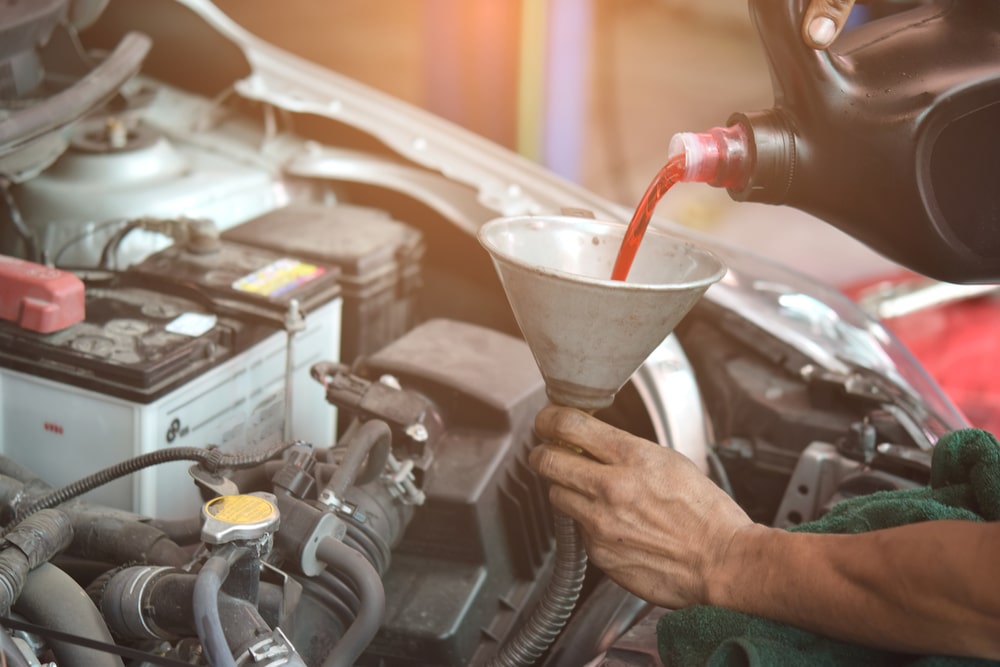
Start the engine and let it idle. Shift the gear through all positions, ending in Park or Neutral. Keep your foot on the brake. Pull out the dipstick and wipe it clean. Reinsert the dipstick fully, then remove it again. Check the fluid level and color. Add fluid slowly if needed. Avoid overfilling, as it can cause damage.
Credit: www.usedengines.us
Common Mistakes To Avoid
Adding transmission fluid seems simple but has common pitfalls. Mistakes can cause serious damage to your car’s transmission. Avoiding these errors saves time and money. Here are the most frequent mistakes you should watch out for.
Overfilling Transmission Fluid
Too much transmission fluid can cause leaks and foaming. Foamy fluid reduces the transmission’s ability to shift gears properly. Overfilling also increases pressure inside the system. This pressure can damage seals and other parts. Always add fluid slowly and check the level often. Use the dipstick or fill plug to guide you.
Using Incorrect Fluid Types
Not all transmission fluids are the same. Using the wrong fluid can harm your transmission. It may cause slipping, overheating, or poor performance. Check your vehicle’s manual for the correct type. Buy fluid that matches the specifications exactly. If unsure, ask a professional or a trusted mechanic.
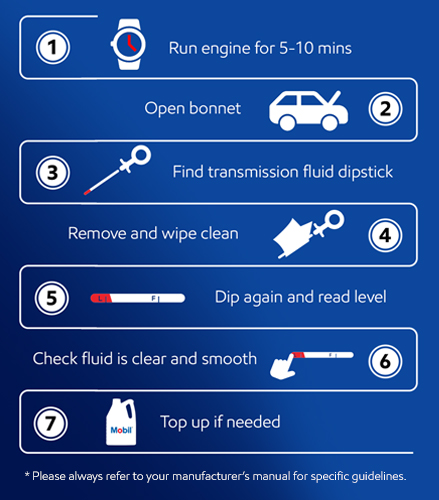
Credit: www.mobil.co.uk
Frequently Asked Questions
Should The Car Be Running When Adding Transmission Fluid?
The car should usually be running when adding transmission fluid. This helps the fluid circulate properly inside the transmission system. Check your vehicle’s manual for specific instructions.
Can Adding Transmission Fluid With The Engine Off Cause Damage?
Adding fluid with the engine off usually won’t cause damage but may give an incorrect fluid level reading. The engine needs to run to warm up the fluid and measure it accurately.
How Do I Know The Right Transmission Fluid Level?
The correct fluid level is checked with the engine running and warm. Use the dipstick to measure fluid level and add fluid slowly to avoid overfilling.
What Happens If I Overfill Transmission Fluid?
Overfilling transmission fluid can cause leaks, foaming, and poor transmission performance. It may lead to costly repairs if not corrected quickly.
Why Is The Engine Running For Transmission Fluid Check?
The engine runs to warm the fluid and pump it through the system. This gives a true reading of the fluid level and condition.
Conclusion
Adding transmission fluid is important for your car’s health. Keep the engine running only if your car’s manual says so. This helps the fluid circulate properly inside. Too much or too little fluid can cause damage. Always check the fluid level carefully and add slowly.
Use the right type of fluid for your vehicle. Taking these simple steps can save you costly repairs. Stay safe and maintain your car well. It will run smoother and last longer.