What’S the Difference between a 245 And a 265 Tire: Key Facts Explained
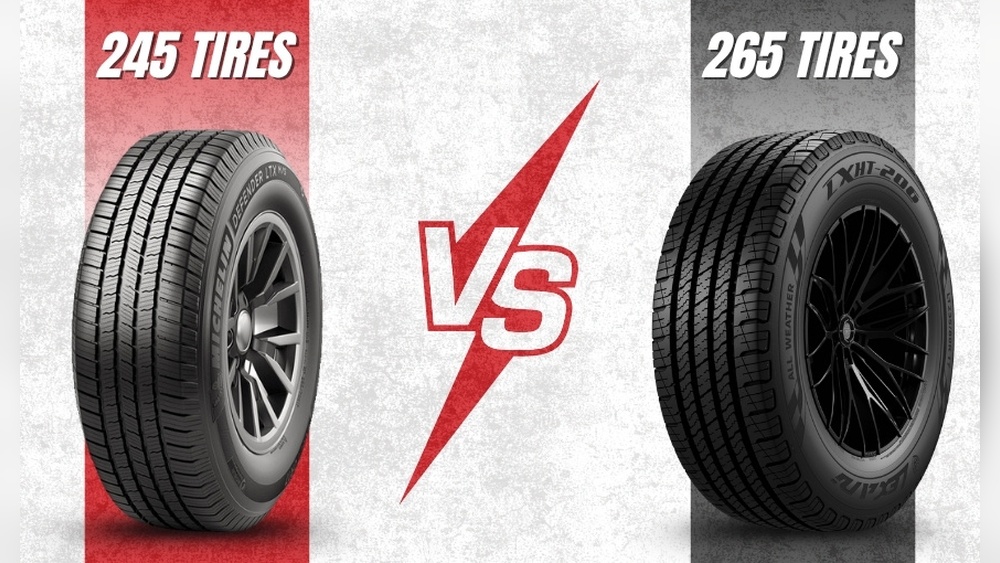
Are you wondering whether to choose a 245 or a 265 tire for your vehicle? The difference might seem small, but it can have a big impact on your ride, handling, and safety.
Picking the right tire size isn’t just about looks—it affects your car’s performance every time you hit the road. You’ll learn exactly what sets these two tire sizes apart and which one suits your driving needs best. Keep reading to make an informed choice that keeps you comfortable and confident behind the wheel.

Credit: www.youtube.com
Tire Size Basics
Understanding tire sizes helps you choose the right tire for your vehicle. Tire size numbers provide key details about the tire’s dimensions. These numbers affect performance, comfort, and safety.
Knowing what each number means makes comparing tires easier. This guide focuses on two common tire widths: 245 and 265. Let’s break down the basics.
What The Numbers Mean
Tire size looks like this: 245/45R17. The first number, 245, shows the tire’s width in millimeters. It measures the distance across the tire from sidewall to sidewall.
The second number, 45, is the aspect ratio. It tells the height of the sidewall as a percentage of the width. Here, the sidewall height is 45% of 245 mm.
The letter “R” means the tire has radial construction. The last number, 17, is the wheel diameter in inches. This tire fits a 17-inch wheel.
Width Comparison
The main difference between 245 and 265 tires is width. A 245 tire is 245 millimeters wide, while a 265 tire is 265 millimeters wide.
This 20-millimeter difference changes the tire’s contact patch. A wider tire touches more road, improving grip and handling. However, it can also increase rolling resistance.
Wider tires may affect fuel efficiency and ride comfort. They can be heavier and may not fit all vehicles. Check vehicle specifications before choosing tire width.
Credit: www.tacomaworld.com
Impact On Vehicle Performance
The size of your tires affects how your vehicle performs on the road. Choosing between a 245 and a 265 tire changes the driving experience. Tire width impacts grip, handling, and fuel use. These factors shape your car’s behavior and efficiency.
Handling And Grip
A 265 tire is wider than a 245 tire. This extra width means more rubber touches the road. It improves grip, especially in sharp turns and wet conditions. Wider tires help your car stay stable and respond faster.
But wider tires can feel heavier. They might make steering a bit harder at low speeds. A 245 tire is easier to turn and may suit daily driving better. Both sizes offer good handling, but 265 tires provide more traction.
Fuel Efficiency
Wider tires like the 265 create more rolling resistance. This means the engine works harder to move the car. It can lower fuel efficiency compared to 245 tires. Narrower tires use less energy and save fuel.
Choosing a 245 tire can reduce fuel costs over time. The difference in fuel use might be small but adds up. If saving gas is a priority, the 245 size is usually better.
Ride Comfort And Noise
Ride comfort and noise play a big role in how pleasant a drive feels. Tires affect these two factors a lot. Choosing between a 245 and a 265 tire changes the way your car handles bumps and road sounds.
How Tire Width Affects Ride Comfort
A 245 tire is narrower than a 265 tire. Narrow tires usually offer a softer ride. They absorb bumps better because they flex more. Wider tires like the 265 can feel stiffer. This is because they have less sidewall flex. Stiff tires may transmit more shocks to the cabin. A 245 tire might feel smoother on rough roads.
Impact On Road Noise
Wider tires tend to create more road noise. The 265 tire has a larger contact area with the road. This can lead to louder tire sounds inside the car. The 245 tire has less road contact, often making it quieter. Tire tread design also affects noise but width is a key factor. Drivers may notice the 245 tire is less noisy on highways.
Balancing Comfort And Noise
The 245 tire offers a good balance of comfort and low noise. The 265 tire may feel sportier but louder and less cushioned. Choosing the right tire depends on your driving style. For smooth and quiet rides, the 245 is often better. For aggressive handling, some prefer the 265 despite more noise.
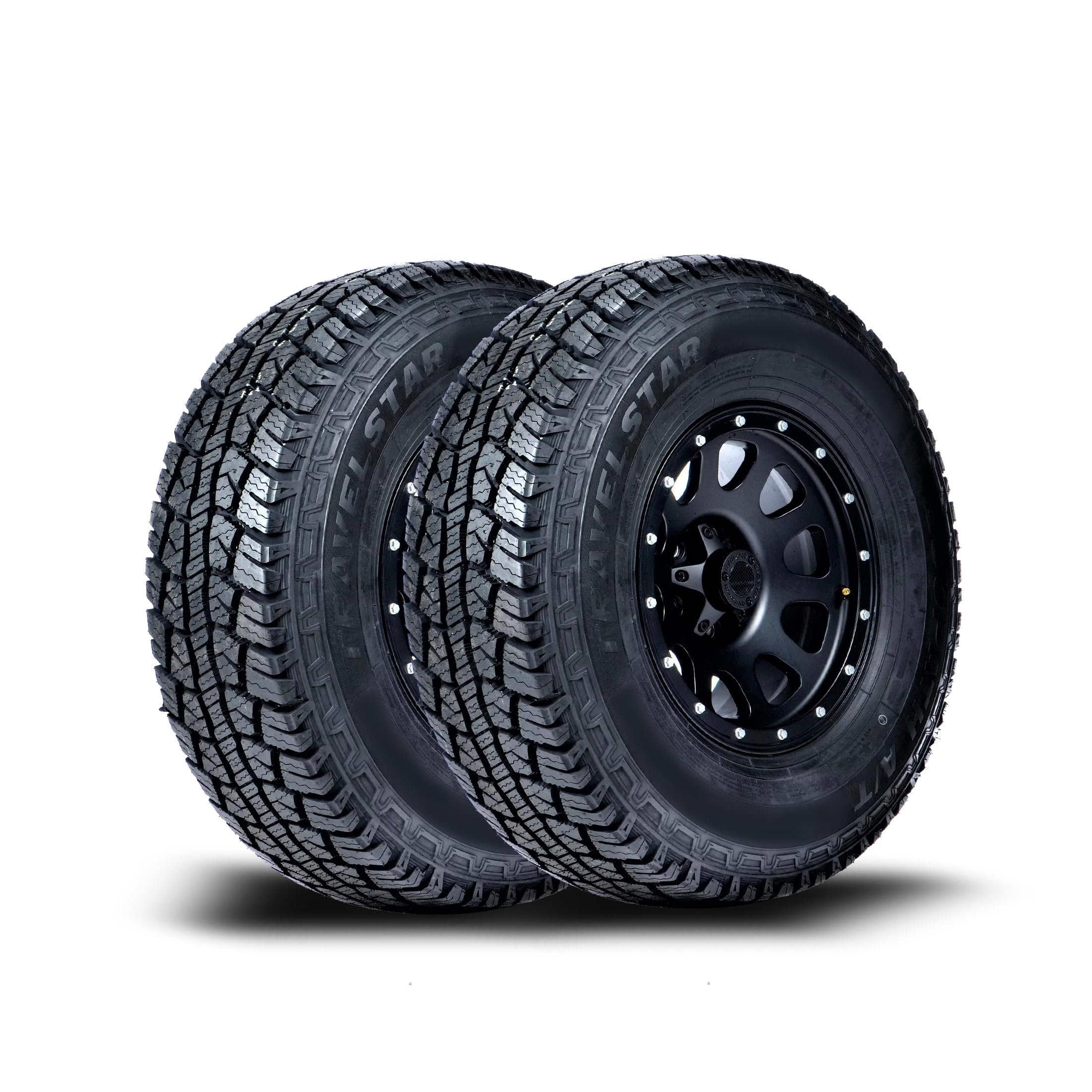
Credit: www.tireryder.com
Compatibility With Vehicles
Choosing the right tire size is important for your vehicle’s performance and safety. The difference between a 245 and a 265 tire affects how well the tire fits your car. Compatibility with your vehicle depends on many factors. These include the wheel size and space inside the wheel well.
Wheel And Rim Fitment
A 245 tire fits a narrower rim than a 265 tire. The 265 tire needs a wider rim for proper support. Using a wider tire on a narrow rim can cause uneven wear and damage. Always check your vehicle’s recommended rim width before changing tire sizes. The right fit keeps the tire stable and safe on the road.
Clearance Issues
The 265 tire is wider and may not fit all vehicles. Clearance between the tire and the car’s body or suspension parts is critical. A wider tire can rub against fenders or suspension, causing damage. Cars with tight wheel wells may not fit 265 tires without modifications. Measure the available space before upgrading tire size. Proper clearance ensures smooth driving and avoids costly repairs.
Cost Differences
Tire prices vary based on size, brand, and type. A 265 tire usually costs more than a 245 due to its larger width and extra materials. Smaller tires often save money but may wear out faster.
Price Per Tire
Generally, 265 tires cost more than 245 tires. This is because 265 tires use more rubber and materials. The extra width means more production cost. Expect to pay a few dollars more for each 265 tire compared to a 245.
Fuel Efficiency Impact
Larger tires like the 265 may reduce fuel efficiency slightly. Lower fuel efficiency can increase fuel expenses over time. The 245 tires tend to be lighter and have less rolling resistance. This can help save money on gas in the long run.
Installation And Maintenance Costs
Installing 265 tires might require wider rims or adjustments. This can add to installation costs. Also, wider tires may wear out faster if not properly maintained. Maintenance expenses might be higher for 265 tires compared to 245 tires.
Availability And Replacement Frequency
245 tires are more common and easier to find. This can make replacement cheaper and quicker. 265 tires may have fewer options and higher prices. The cost and time to replace 265 tires can be greater in some areas.
Choosing The Right Tire
Choosing the right tire can affect your car’s performance and safety. The choice between a 245 and a 265 tire depends on several factors. Understanding these will help you make the best decision for your vehicle and driving style.
Driving Conditions
Consider the roads you often drive on. Narrow tires like the 245 perform well on wet roads. They offer better water displacement and grip. Wider tires like the 265 give more surface contact. This works well on dry roads and for off-road use. Snow or mud may require wider tires for better traction. Think about the weather and terrain you face most.
Personal Preferences
Your driving style matters. If you prefer a smooth, quiet ride, the 245 tire might suit you. It can also improve fuel efficiency due to less rolling resistance. If you want a sportier feel or sharper handling, the 265 tire could be better. It can make the car feel more stable in turns. Balance comfort and control based on what you like most.
Frequently Asked Questions
What Do The Numbers 245 And 265 Mean On Tires?
These numbers show the tire width in millimeters. A 245 tire is 245 mm wide, and a 265 tire is 265 mm wide. Wider tires have better road contact.
How Does Tire Width Affect Car Handling?
Wider tires like 265 offer more grip in corners and on wet roads. Narrower tires like 245 usually give better fuel efficiency. The choice depends on driving needs.
Can I Replace 245 Tires With 265 Tires?
You can replace 245 tires with 265 only if your car supports the size. Check your vehicle’s manual or ask a tire expert. Wrong size affects safety and performance.
Do 265 Tires Impact Fuel Economy Compared To 245?
Yes, 265 tires often lower fuel economy due to higher rolling resistance. 245 tires are lighter and help save gas. The difference varies by car and driving style.
Are 265 Tires Better For Off-road Driving Than 245?
Generally, 265 tires perform better off-road because they cover more surface area. This helps with traction on dirt and mud. But tire tread type matters most for off-road use.
Conclusion
Choosing between a 245 and a 265 tire depends on your needs. A 245 tire is narrower and lighter. It offers better fuel efficiency and handling. A 265 tire is wider and provides more grip. It improves stability and can handle heavier loads.
Think about your driving style and vehicle type. Both tires have strengths in different situations. Choose the one that fits your car and road conditions best. This will help you drive safely and comfortably.