How Does Cruise Control Work on Manual Transmission: Explained Clearly
Have you ever wondered how cruise control works in a car with a manual transmission? If you think it’s only for automatic cars, you’re not alone.
But the truth is, there’s a clever system behind it that keeps your speed steady without you having to press the gas pedal constantly. Understanding how this feature works can make your driving smoother and less tiring, especially on long trips.
Keep reading, and you’ll discover exactly how cruise control fits into manual cars—and why it might be more useful for you than you think.
Credit: www.jalopnik.com
Basics Of Cruise Control
Cruise control helps keep a steady speed without pressing the gas pedal. In manual cars, drivers still use the clutch and brakes to control the vehicle. This system adjusts the throttle automatically to maintain the chosen speed.
What Is Cruise Control?
Cruise control is a system in cars that keeps the speed steady. It lets drivers relax their foot from the gas pedal. The system holds the set speed without needing constant pressure. This helps on long drives or highways.
How Cruise Control Works
The system uses sensors to monitor the car’s speed. When you set the speed, it keeps the throttle steady. It adjusts fuel supply to maintain that speed. The system can speed up or slow down slightly as needed.
Manual Transmission And Cruise Control Basics
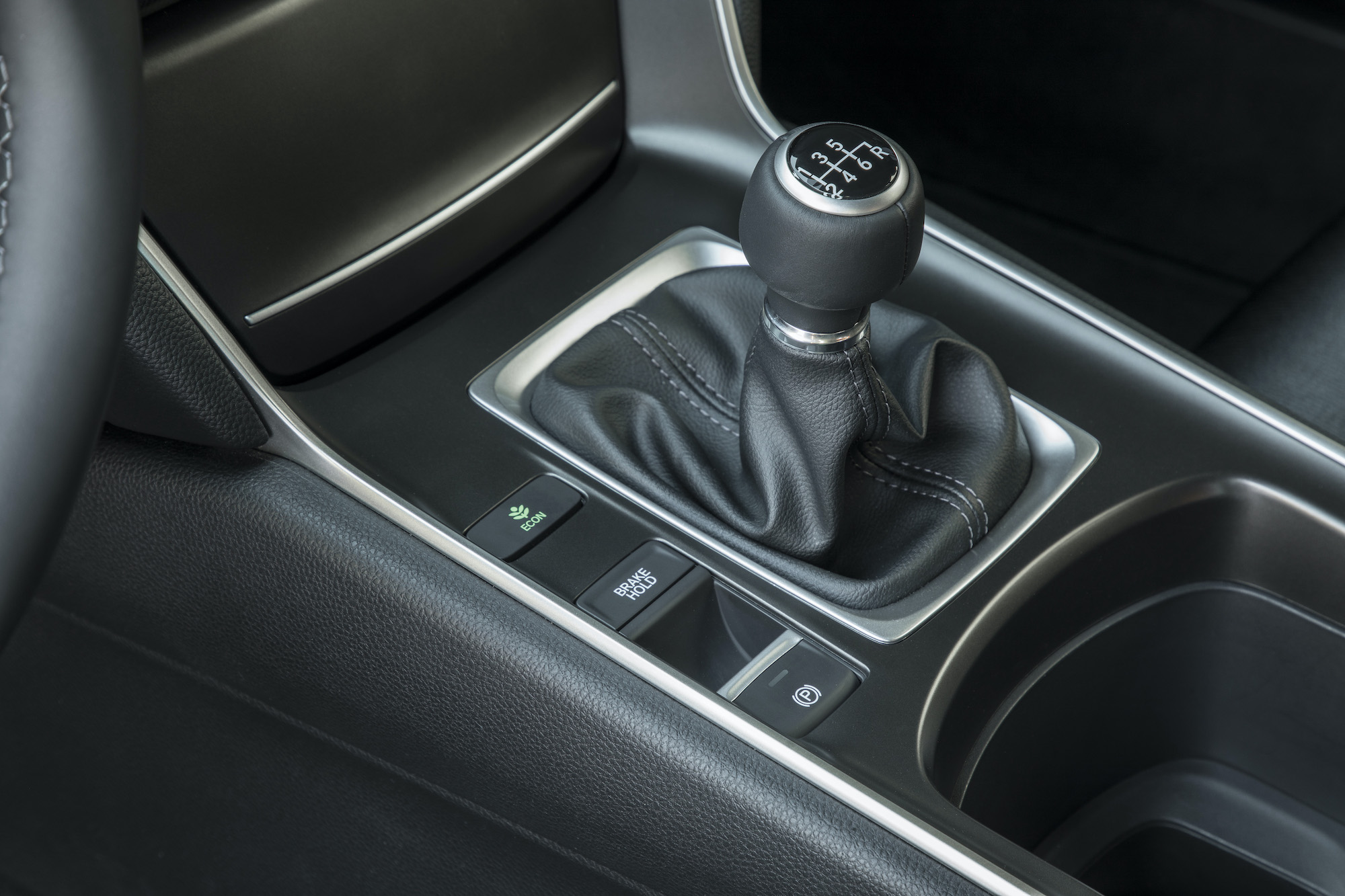
Manual cars need a different approach for cruise control. Drivers must keep the car in gear and steady speed. The system helps hold speed but cannot change gears. Drivers still need to shift manually.
When To Use Cruise Control In Manual Cars
Best used on flat roads and highways. Avoid using cruise control in heavy traffic or hills. Manual control over clutch and gears is essential. Cruise control eases foot fatigue but needs driver attention.
Manual Transmission Challenges
Using cruise control in a car with a manual transmission comes with unique challenges. The main issue is the need to operate the clutch and change gears. Cruise control systems work best in cars that do not require frequent gear changes. This makes it harder to keep a steady speed without driver input.
Manual transmission drivers must press the clutch to shift gears. This action temporarily disconnects the engine from the wheels. Cruise control cannot keep the car moving smoothly during this time. The system must be turned off or paused to avoid stalling or sudden speed changes.
Another challenge is controlling the throttle manually. Cruise control adjusts the throttle to maintain speed. In manual cars, the driver’s foot controls the throttle. This mismatch makes it difficult for cruise control to hold a constant speed without help from the driver.
Clutch Engagement Interrupts Cruise Control
Pressing the clutch stops the engine from powering the wheels. Cruise control cannot operate during clutch use. This forces the system to disengage every time a gear change happens. Drivers must reset cruise control after shifting.
Gear Changes Affect Speed Stability
Shifting gears changes the car’s speed and engine load. Cruise control cannot predict or manage these changes. Speed may drop or spike during gear shifts. This disrupts smooth cruising and may cause discomfort.
Throttle Control Requires Driver Interaction
Manual cars need the driver to control the gas pedal. Cruise control tries to adjust speed by managing throttle. This creates conflict between the system and driver actions. Cruise control loses accuracy without constant driver input.
Types Of Cruise Control Systems
Cruise control helps keep your car at a steady speed without constant foot pressure. Different systems work in different ways. Each type has unique features and uses. Understanding these helps you see how cruise control adapts to manual transmissions.
Some systems are simple, while others use advanced technology. The choice depends on the car’s design and driver needs. Below are the main types of cruise control systems.
Mechanical Cruise Control
This is the oldest type of cruise control. It uses cables and levers connected to the throttle. When you set the speed, the system holds the throttle steady. It does not work well with manual gear changes. You must adjust the clutch and brake yourself.
Electronic Cruise Control
This system uses sensors and electronic controls. It keeps the speed more precisely than mechanical types. The computer adjusts the throttle based on road conditions. It can pause or lower speed when you press the clutch or brake. This type suits manual transmission better.
Adaptive Cruise Control
This advanced system senses traffic ahead. It can slow down or speed up to keep a safe distance. It works with the car’s brakes and throttle automatically. For manual cars, adaptive cruise control usually requires some driver input. It may pause when shifting gears.

Credit: www.youtube.com
How Cruise Control Adapts To Manual Cars
Cruise control is common in automatic cars. Manual cars, though, need a different approach. The system must work with the driver’s actions. It cannot control the clutch or gear shifts.
Special features help cruise control work in manual cars. The system stays active but waits for driver input. This keeps the car safe and smooth on the road.
Detecting Clutch And Brake Use
Sensors detect when the driver presses the clutch or brake. Pressing either disables cruise control immediately. This prevents engine damage and loss of control. The system only works when the driver is ready.
Maintaining Speed Without Automatic Shifting
The system holds the throttle steady to keep speed. It does not change gears or use the clutch. Drivers must shift gears manually to keep control. Cruise control helps by keeping speed steady between shifts.
Reactivating Cruise Control After Manual Actions
After braking or clutch use, cruise control pauses. Drivers can reactivate it once they reach the desired speed. This requires pressing a button or switch. The system then maintains speed again, ready for the next drive.
Using Cruise Control Safely With A Manual
Using cruise control with a manual transmission requires extra care. The driver must stay alert and ready to take control. This helps avoid sudden problems and keeps driving smooth.
Unlike automatic cars, manual cars need more attention. The driver must watch the clutch and gear changes carefully. This section explains how to use cruise control safely on a manual car.
Stay Ready To Use The Clutch
Always keep your foot near the clutch pedal. Cruise control does not work with the clutch pressed. Pressing the clutch will turn off cruise control automatically. Be prepared to press it smoothly to avoid jerks.
Monitor Road Conditions Closely
Watch for traffic changes and road curves. Cruise control does not adjust for hills or stop signs. Slow down or cancel cruise control before sharp turns or heavy traffic. Stay alert to keep safe.
Use Cruise Control On Highways Only
Highways have fewer stops and steady speeds. This suits cruise control better than city streets. Avoid using cruise control in busy or complex traffic areas. It helps prevent sudden braking or clutch use.
Cancel Cruise Control Before Changing Gears
Changing gears needs careful timing. Turn off cruise control before shifting gears. This prevents the engine from revving too high or stalling. After shifting, you can reactivate cruise control.
Practice Smooth Driving Habits
Keep steady pressure on pedals and avoid sudden movements. Smooth driving helps cruise control work well with a manual car. It also reduces wear on the clutch and engine parts.
Troubleshooting Common Issues
Troubleshooting common issues with cruise control on manual transmission cars helps keep your drive smooth. Problems can arise from various parts of the system. Knowing how to identify and fix these issues saves time and money.
Many problems come from simple causes. Some can be fixed quickly without expert help. Others may need a mechanic’s attention. Below are common issues and ways to handle them.
Checking The Clutch Pedal Switch
The clutch pedal switch stops cruise control when you press the clutch. If this switch fails, cruise control might not activate or will turn off unexpectedly. Test the switch by pressing the clutch. Look for any loose wires or damage. Replace the switch if needed.
Inspecting The Brake Pedal Switch
The brake pedal switch also controls cruise control. It turns off the system when you brake. A faulty brake switch causes cruise control to stop working or not engage. Check the brake light operation. If brake lights do not respond, the switch may be faulty and require replacement.
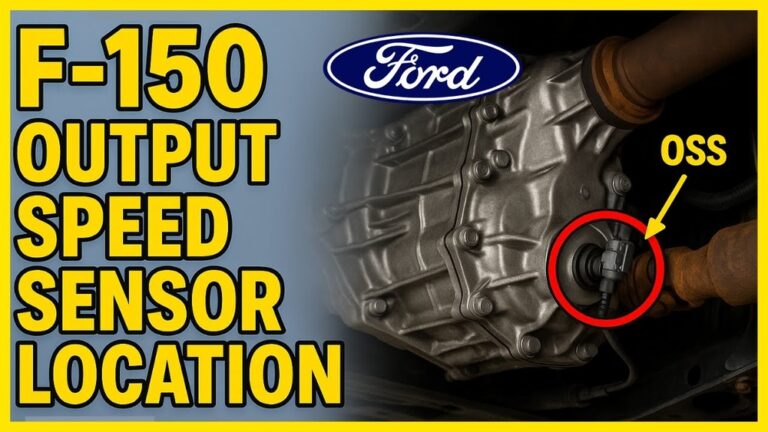
Examining The Speed Sensor
The speed sensor sends the car’s speed to the cruise control unit. If the sensor fails, the system cannot maintain speed. Symptoms include cruise control shutting off randomly or not working. Inspect the sensor for dirt or damage. Clean or replace the sensor as needed.
Verifying Cruise Control Fuse
A blown fuse can stop cruise control from working. Locate the fuse box and find the cruise control fuse. Use the car manual for guidance. Replace the blown fuse with one of the same rating. Avoid using a fuse with a higher rating.
Testing The Cruise Control Switch
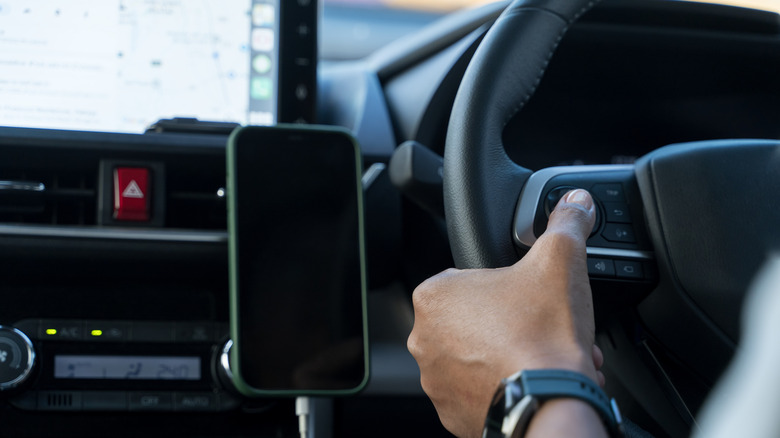
The cruise control switch on the steering wheel or dashboard may fail. If the switch is faulty, it won’t turn the system on or off. Check the switch for physical damage or sticking buttons. Replace the switch if it does not respond properly.
Credit: www.motorbiscuit.com
Frequently Asked Questions
How Does Cruise Control Work With A Manual Transmission?
Cruise control keeps a steady speed by controlling the throttle. In manual cars, you must keep the clutch engaged and stay in gear. It helps reduce foot fatigue on long drives.
Can I Use Cruise Control On A Manual Car Safely?
Yes, but you must be alert to use it safely. Always keep your foot near the clutch and brake pedals. Be ready to take control if traffic or road conditions change.
Does Cruise Control Work On All Manual Transmission Cars?
Not all manual cars have cruise control. It depends on the car’s make and model. Some older or basic manual cars may not offer this feature.
How Do I Activate Cruise Control In A Manual Car?
First, reach the speed you want to maintain. Then, press the cruise control button or switch. Keep the clutch pedal up and stay in the correct gear.
What Happens When I Press The Clutch While Using Cruise Control?
Pressing the clutch usually turns off cruise control. This helps avoid engine damage and keeps you in control. You must reset cruise control after using the clutch.
Conclusion
Cruise control in manual cars helps keep speed steady without constant pedal use. Drivers still shift gears and use the clutch as needed. This system reduces fatigue on long drives and improves comfort. Understanding how it works can make your trips smoother.
It’s a useful feature for those who drive manual transmissions often. Simple and practical, cruise control adds convenience without losing control. Try using it safely to enjoy a relaxed driving experience.